Daheihe Island
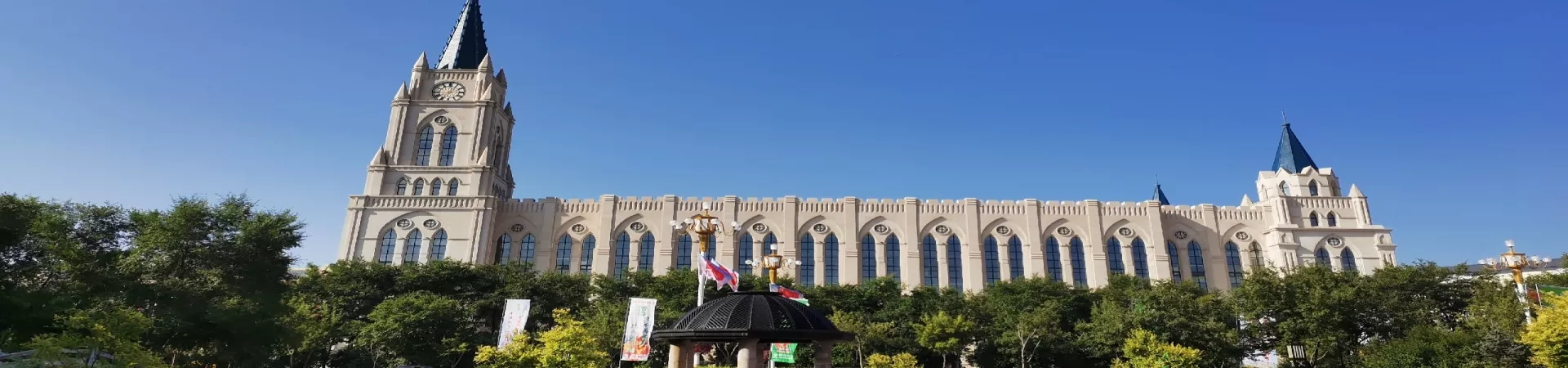
The Amur River's Vibrant Frontier: A Guide to Daheihe Island
Nestled within the main channel of the mighty Heilongjiang River (known as the Amur in Russia), Daheihe Island stands as a unique geographical and cultural nexus. This alluvial island, a slender strip of land measuring approximately 3,000 meters in length and 450 meters in width, covers an area of 0.97 square kilometers. Its strategic position, a mere 750 meters from the Russian city of Blagoveshchensk and connected to the Chinese city of Heihe by the Daheihe Island Bridge, has destined it to play a pivotal role in cross-border relations. Historically named after the former Heihe settlement known as Daheihe Tun, the island's story is one of quiet agriculture transforming into bustling international commerce.
From Agricultural Settlement to Trade Frontier The island's modern history is deeply rooted in cultivation. As early as 1919, Chinese settlers began building homes and farming on the island, with the community growing to over 50 people working more than 200 acres of land by 1929. For decades, life on the island was defined by the rhythms of farming—soybeans and watermelons—and simple transportation like dugout canoes ("Weihu") and wooden carts. This peaceful existence was sharply interrupted during periods of Sino-Soviet tension when the border was sealed with barbed wire, watchtowers, and patrol boats, effectively closing this window between the two nations.
However, the winds of reform and opening-up in China swept away this isolation. Daheihe Island emerged as a crucial catalyst in thawing relations. It acted as a conduit for renewed dialogue, effectively helping to reopen the door to the Soviet Union. This pioneering spirit made it the birthplace of numerous "firsts" in Sino-Russian border trade, including barter trade, economic/technical cooperation, labor service exchanges, and one-day tourism programs.
The Heart of Cross-Border Exchange: Facilities and Trade The island's transformation was formally recognized in 1997 when the Heilongjiang Provincial Government officially established a Border Resident Mutual Trade Zone here. This institutional backing propelled its development into a multifunctional hub.
- The Core Trade Zone: The western section of the island is dominated by the Sino-Russian Folk Trade Market, a sprawling 15,400-square-meter complex that serves as the engine of cross-border commerce. This area is the physical manifestation of "Da Dao Mao" (Big Island Trade), a term locals use with pride for the vibrant non-governmental trade.
- Supporting Infrastructure: Over years of development, the island has built comprehensive facilities to support its role. These include the Folk Trade Market Negotiation Center, the "Sleepless City" commercial service street, and an International Exhibition Hall. These structures facilitate everything from business deals to cultural exchange.
- A Hub for Tourism and Entertainment: Beyond pure commerce, the island has evolved into a tourist destination where visitors can experience the unique kinetic energy of the border. The integration of trade, tourism, and entertainment services offers a distinct experience unlike any other inland city.
Strategic Significance and Cultural Impact Daheihe Island is far more than a marketplace. Its historical and ongoing role has had a profound impact that extends beyond economics.
- A Bridge Between Civilizations: The island has consistently served as a critical communication link between China and Russia (and by extension, Europe), influencing politics, culture, and even military considerations in the Heihe region and broader hinterland.
- Symbol of Peaceful Cooperation: Its journey from a fortified border zone to a thriving mutual trade area symbolizes the positive outcomes of peaceful diplomacy and open economic engagement. It stands as a testament to the potential of border regions when cooperation replaces confrontation.
- A Living Community: Despite its commercial buzz, the island retains elements of its pastoral past, with groves of pine, poplar, and willow trees dotting the landscape, providing a reminder of its quieter beginnings.
Visitor Information For travelers seeking to witness the dynamic pulse of Sino-Russian border interaction, Daheihe Island is an essential destination. It offers a tangible sense of international connection, where the flow of people and goods creates a uniquely vibrant atmosphere.
- Contact: For specific inquiries, the island's management can be reached at +86 456 8230666.
- Admission: Ticket details and specific access information for different facilities are subject to change. It is recommended to consult directly with the scenic area administration for the latest information prior to your visit.
Information last updated: August 21, 2023.