China-Russia Nationalities Folk Customs Park
Subtitle: A Cultural Tapestry on the Heilongjiang Border: Exploring the Sino-Russian Ethnic Folk Garden
Introduction: Where Cultures and Landscapes Converge
Nestled on the western outskirts of Heihe City, approximately 9 kilometers along the Heihe-Huma Highway, lies a unique cultural destination: the Sino-Russian Ethnic Folk Garden. This expansive park serves as a living museum and a vibrant celebration of the diverse ethnic heritage that shapes the border region between China and Russia. More than just a collection of exhibits, it is an immersive journey where visitors can traverse architectural timelines, witness captivating performances, and feel the profound interplay between human culture and the majestic natural environment of Heilongjiang Province. The garden’s authenticity is further underscored by its role as a filming location for renowned television series, adding a layer of historical and cinematic intrigue to its paths.
A Journey Through Four Distinct Cultures
The heart of the garden is its division into four meticulously crafted ethnic zones, each dedicated to preserving and presenting the unique traditions of the Oroqen, Daur, Manchu, and Russian peoples. This structure allows for a comparative and deep dive into the distinct ways of life that have coexisted and interacted in this frontier land.
1. The Indigenous Heritage: Oroqen and Daur Peoples * The Oroqen Zone: This area offers insights into the life of the Oroqen, traditionally forest-dwelling hunters of the Greater Khingan (Xing'an) Mountains. Architecture here often features "xierenzhu," traditional pointed lodges covered with birch bark or animal hides, reflecting a profound harmony with the northern wilderness. Exhibits and demonstrations might include traditional hunting tools, birch bark canoe crafting, and intricate leather and fur handicrafts. * The Daur Zone: The culture of the Daur people, known for their historic expertise in agriculture, fishing, and horse breeding, is showcased here. Visitors can explore traditional courtyard layouts and learn about unique folk arts and ball games. The zone often highlights the Daur's rich oral tradition, including songs and epic poems that narrate their history and cosmology.
2. The Imperial Legacy: Manchu Culture This section delves into the culture of the Manchu people, whose Qing Dynasty once ruled over China. The architecture tends to be more formal, often featuring symmetrical Siheyuan (courtyard house) layouts or structures with distinct Manchu decorative motifs. The focus here is on the refined aspects of Manchu heritage, such as traditional clothing like the cheongsam (qipao) evolution, court rituals, distinctive cuisine, and artistic forms like paper-cutting and embroidery that carry specific symbolic meanings.
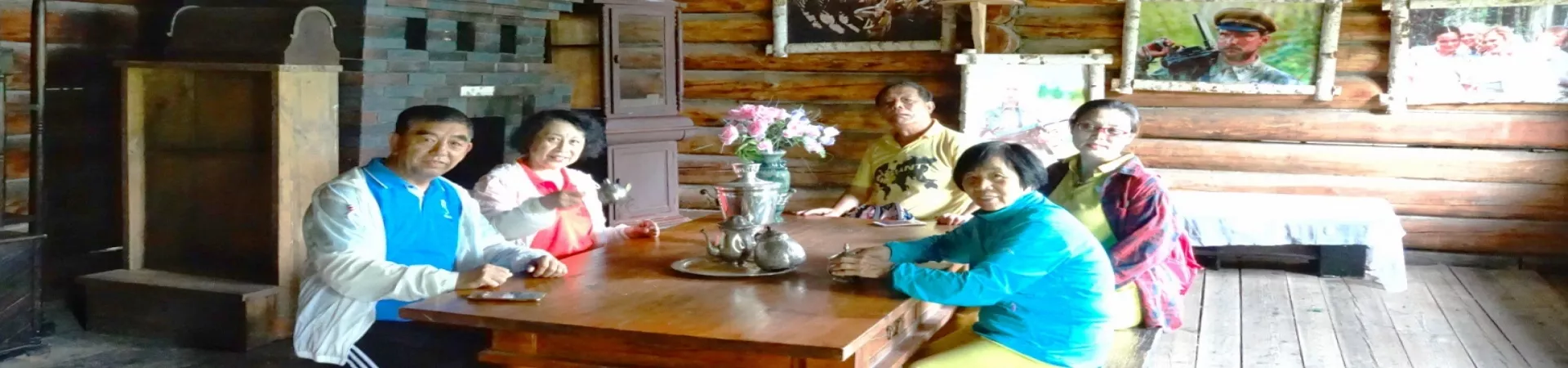
3. A Slavic Soul on Chinese Soil: The Russian Village Perhaps the most visually contrasting area is the Russian ethnic zone. It typically features classic wooden structures, or izbas, with intricate window frames, and perhaps a small wooden chapel with an onion dome. This zone vividly illustrates the cross-border cultural exchange. Visitors can immerse themselves in a distinctly European atmosphere, exploring the domestic life, Orthodox Christian influences, and the vibrant folk arts of the Russian diaspora in China.
Cinematic Legacy: A Backdrop for Epic Stories
Adding a unique dimension to the garden is its status as a chosen location for significant film productions. Most notably, it served as a key filming site for the Chinese television adaptations of two seminal works about the Soviet experience in World War II: "The Dawns Here Are Quiet" and "The Years of Roses Blooming." Certain landscapes, buildings, or recreated settings within the park were used to depict the Russian countryside and wartime scenes. For film enthusiasts and history buffs, this provides an opportunity to walk through authentic-looking sets and connect with the powerful narratives of sacrifice and resilience portrayed in these series.
Immersive Experiences: Beyond Passive Observation
The Sino-Russian Ethnic Folk Garden is designed for engagement. It actively moves beyond static displays to offer dynamic cultural immersion.
1. Architectural Panorama: A walk through the park is a journey through different periods and aesthetic philosophies. From the rustic, nature-integrated dwellings of the Oroqen to the formal Manchu courtyards and the picturesque Russian wooden houses, the architecture itself tells a story of adaptation, environment, and social structure.
2. Performance and Participation: Scheduled performances are a highlight. These may include the energetic, mimicry-based dances of the Oroqen, the graceful folk dances of the Daur and Manchu, and the spirited, fast-paced khorovod (circle dances) or balalaika concerts in the Russian section. Furthermore, visitors are often invited to participate in hands-on activities such as crafting simple traditional artifacts, learning a few dance steps, or tasting authentic ethnic snacks, creating lasting personal memories.
The Natural Canvas: Scenery of the Northern Frontier
The cultural experience is seamlessly framed by the stunning natural beauty of the Heihe region. The garden's layout consciously incorporates and offers vistas of the iconic landscapes that define this part of China. Visitors can appreciate the distant, forested majesty of the Xing'an Mountains, the serene yet powerful flow of the Heilongjiang River (Amur River), which forms the natural border with Russia, and the vast, fertile expanse of the "black earth" plains. The very concept of the borderline is palpable here, adding a sense of geographical significance to the cultural fusion on display. The natural environment is not just a backdrop but an integral character in the story of the peoples represented.
Practical Visitor Information
- Admission Fee: The standard entrance ticket is priced at 40 RMB per person.
- Operating Hours: The garden is open daily from 8:30 AM to 5:30 PM. The last admission is at 5:30 PM. These hours are generally consistent throughout the year, from January 1st to December 31st. It is always advisable to confirm the latest timings locally before your visit, especially during public holidays or off-season periods.