xiaoyaojin park
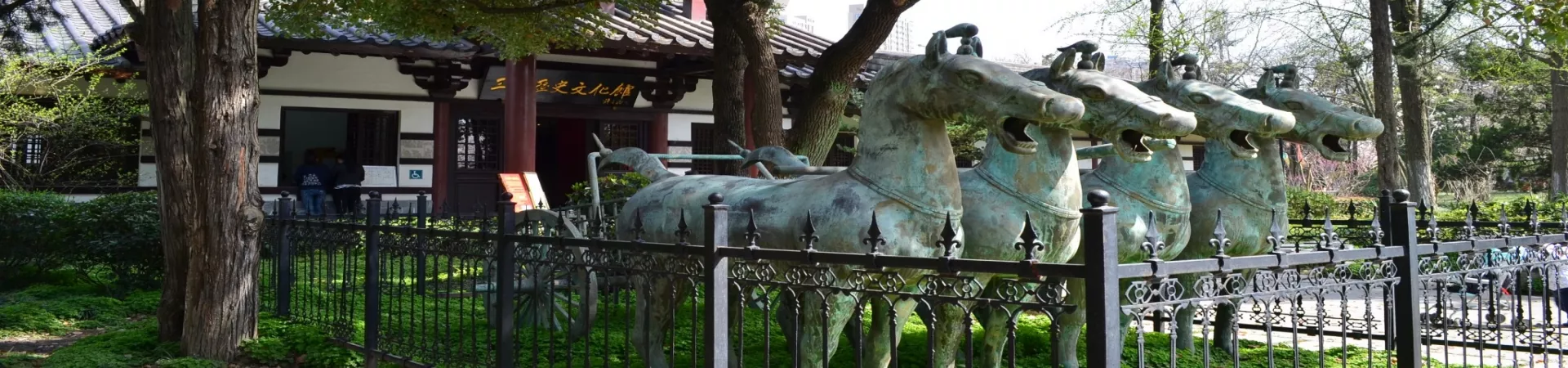
Subtitle: A Historical Oasis in the Heart of Hefei
1. Introduction: A Journey Through Time and Tranquility
Nestled in the bustling urban center of Hefei, the capital of Anhui Province, Xiaoyaojin Park stands as a verdant sanctuary steeped in history. More than just a public green space, it is a living chronicle of the city's past, offering visitors a unique blend of historical resonance, natural beauty, and recreational fun. Its name, "Xiaoyaojin," evokes a sense of carefree leisure and escape, a promise it has fulfilled for centuries. From its origins as an exclusive retreat for the elite to its current status as a beloved civic landmark, the park provides a multifaceted experience for tourists, families, history enthusiasts, and nature lovers alike. A visit here is an essential chapter in understanding Hefei's cultural landscape, seamlessly weaving together moments of playful excitement and serene contemplation within its thoughtfully designed grounds.
2. Historical Legacy: From Private Garden to Public Treasure
2.1. Aristocratic Beginnings The park's story begins during the Ming and Qing dynasties, a period spanning from the 14th to the early 20th century. Originally, it was not a public facility but a luxurious private garden belonging to bureaucratic landlords and wealthy families. These gardens were designed as microcosms of the natural world, serving as places for scholarly reflection, social gatherings, and a display of the owner's taste and status. The foundational layout of Xiaoyaojin Park was established during this era, with its defining characteristic being a natural water system that elegantly divides the grounds into two distinct sections: the East Garden and the West Garden. This intelligent use of hydrology not only created aesthetic appeal but also established the functional duality that defines the park to this day.
2.2. Evolution into a Civic Space The transformation from a secluded private estate to a public park marks a significant shift in its history. While the exact date of its public opening is not specified in the provided materials, this transition represents the democratization of leisure space in modern China. The historical essence has been carefully preserved and integrated into the public realm, allowing every visitor to walk through the same landscapes once reserved for a privileged few. This blend of historical depth with public accessibility is a key part of the park's charm, inviting guests to ponder the layers of time while enjoying its contemporary amenities.
3. Exploring the Dual Gardens: East for Exuberance, West for Serenity
The natural watercourse remains the park's organizing principle, creating two areas with distinctly different atmospheres and offerings, catering to varied interests and moods.
3.1. The East Garden: A Realm of Family Fun and Activity 3.1.1. Youth and Children's Play Zone The East Garden is the vibrant, energetic heart of the park, dedicated to play and recreation. It is explicitly designed as a premier destination for families. The area features a concentrated cluster of attractions centered around a Youth Activity Zone and a Children's Paradise. Here, you will find a rich and diverse array of modern entertainment facilities. From classic merry-go-rounds and gentle swings for toddlers to more adventurous rides for older children, the playgrounds are built to inspire laughter and excitement.
3.1.2. Ideal for Family Tourism This section makes Xiaoyaojin Park particularly well-suited for亲子旅游 (family tourism). It provides a safe, engaging environment where children can expend energy and parents can relax amidst the greenery. The proximity of these amenities allows for a full day of fun without the need to travel between distant locations, making it a convenient and highly enjoyable stop for those traveling with young ones.
3.2. The West Garden: A Botanical and Architectural Haven In stark contrast to the lively East, the West Garden is a sanctuary of peace and natural artistry. It is primarily dedicated to plant landscaping, where horticulture is elevated to an art form.
3.2.1. Themed Flora and Seasonal Displays The garden is meticulously organized into several themed botanical areas, each offering a unique visual spectacle throughout the year. Key highlights include: * Plum Blossom Hill (Meihua Shan): A must-visit in late winter or early spring when the hillside is awash with the delicate pink and white blossoms of plum trees, symbolizing resilience and hope. * Peony Garden (Mudan Yuan): In spring, this area becomes a regal display of color, showcasing the "king of flowers" in its full, opulent glory. * Azalea Garden (Dujuan Yuan): Come spring, this section erupts in vibrant hues of red, pink, and purple, creating a breathtaking carpet of color.
3.2.2. Landscaped Beauty and Classical Structures Beyond the themed gardens, the West Garden is adorned with various exotic flowers and rare herbs, carefully curated to create picturesque scenes at every turn. The natural beauty is complemented by traditional pavilions, towers, and terraces (Lou Tai Ting Ge). These classical Chinese structures, often positioned beside ponds, atop small hills, or within groves of bamboo, provide shaded resting spots, frame perfect views, and add a layer of cultural depth to the landscape. They are ideal places to sit, read, or simply meditate on the harmonious blend of human craftsmanship and natural beauty.
4. Essential Visitor Information
To ensure a smooth and enjoyable visit, please take note of the following practical details. (Please be advised that the information below is for reference only; always verify with the park's official announcements on the day of your visit.)
4.1. Admission and Opening Hours * 门票 (Admission Fee): The park offers free entry to all visitors, making it an exceptionally accessible attraction. * 开放时间 (Opening Hours): The park is open daily from 06:00 to 21:30. Last admission is at 21:30. These hours apply year-round, from January 1st to December 31st.
4.2. Location and Transportation Xiaoyaojin Park is centrally located in Hefei. The most convenient way to reach it is by public bus. * 交通 (Transport): Visitors can take bus routes 2, 85, 106, 137, or 155 and alight at the "Xiaoyaojin" bus stop. From there, the park entrance is within short walking distance.
4.3. Planning Your Visit * 用时参考 (Suggested Visit Duration): To fully appreciate both the East and West Gardens at a comfortable pace, a visit of 1 to 3 hours is recommended. This allows time for children to play, leisurely strolls through the botanical areas, and moments of rest by the water or in the pavilions. * Contact: For any specific inquiries, you may contact the park at 0551-62654575.
Information update reference: 2023-08-20