Sanhe Ancient Town
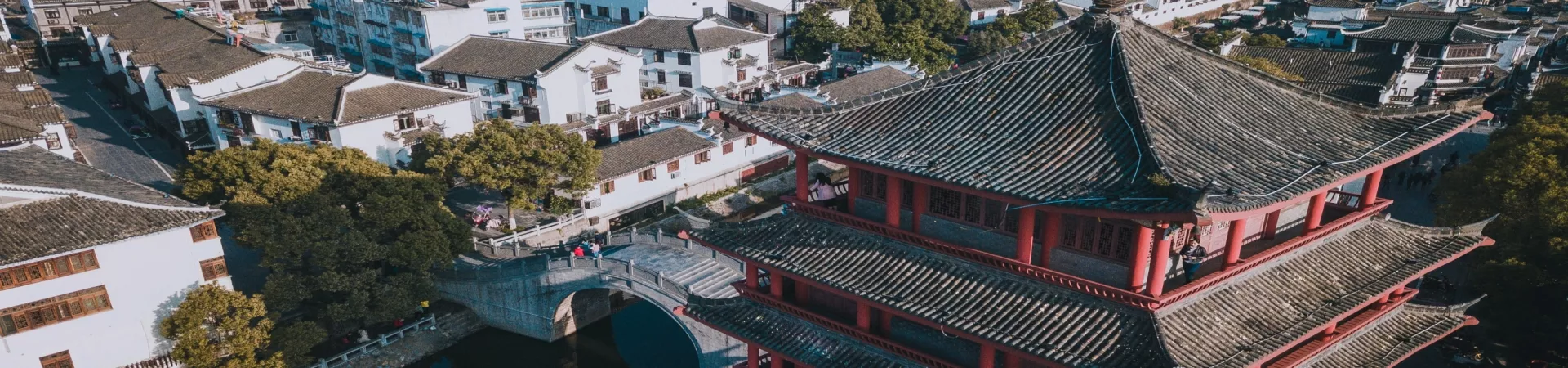
A Timeless Journey: Unveiling the Charms of Sanhe Ancient Town
Nestled in the heart of Anhui Province, approximately 40 kilometers south of Hefei, lies Sanhe Ancient Town—a captivating testament to China's rich historical tapestry and the serene beauty of water-town architecture. Unlike the bustling metropolises, Sanhe offers a tranquil escape, a place where time seems to flow as gently as the rivers that define it. The town's very name, "Sanhe," meaning "Three Rivers," originates from the confluence of the Fengle, Hangbu, and Xiaonan Rivers, whose waters have nourished its culture and commerce for centuries. This network of waterways is the lifeblood of the town, shaping its layout, its atmosphere, and its unique identity as a quintessential Jianghuai water town.
A Tapestry of History and Culture
Origins and Historical Significance Sanhe's story begins over 2,500 years ago, with its initial formation tracing back to the Spring and Autumn and Warring States periods. Its strategic location at the junction of three rivers made it a vital hub for water transport and trade, gradually evolving into a prosperous market town. Beyond commerce, Sanhe also holds a place in military history, having been the site of a significant battlefield during the Taiping Rebellion. This layered history is palpable as you walk its ancient lanes.
The "Eight Ancient" Spectacles What truly sets Sanhe apart is its remarkable preservation of what locals proudly call the "Eight Ancient"景观. This collection forms the core of the town's cultural heritage:
- Ancient Rivers: The three serene rivers, flanked by old dwellings and willow trees, frame every view.
- Ancient Bridges: Stone bridges like the iconic One-Lane Bridge arch gracefully over the waterways, serving as both passageways and picturesque landmarks.
- Ancient Dikes (Wei): The well-preserved ancient embankments speak to the town's long-standing battle and harmony with the waters.
- Ancient Streets and Alleys: The flagstone-paved streets, such as the bustling South Street, are lined with Ming and Qing dynasty-style architecture, inviting leisurely exploration.
- Ancient Tea Houses: Traditional tea houses offer a window into local life, where one can sip tea and observe the unhurried pace of the town.
- Ancient Residences: Elegant courtyards and merchant houses, like the former residences of notable figures, showcase exquisite wood carvings and period furniture.
- Ancient Temple Stages: Historic stages once used for operatic performances hint at the town's vibrant cultural past.
- Ancient Battlefield Sites: Remnants and memorials silently recount tales of historical conflicts that shaped the region.
The Visitor's Experience: Sights, Tastes, and Practical Details
Immersing in the Landscape Wandering through Sanhe is a step back in time. The classic panorama of "small bridges, flowing water, and homes by the banks" is around every corner. A boat ride along the narrow canals provides a unique, tranquil perspective of the white-walled, black-tiled houses with their upturned eaves. The atmosphere is one of peaceful authenticity, where daily life unfolds alongside tourism.
A Culinary Destination The town lives up to its famous reputation: "Tour in Huangshan, Dine in Sanhe." The local cuisine is a major highlight, renowned for its delicate flavors and freshwater delicacies.
- Sanhe Rice Dumplings (Sanhe Mi Jiao): These are a must-try—glutinous rice dumplings stuffed with savory fillings, wrapped in bamboo leaves, and known for their tender texture.
- Sanhe Little Fried Cakes (Sanhe Xiao Chao): A savory and satisfying stir-fried rice cake dish, often cooked with vegetables, meat, and a distinctive local sauce.
- Braised Mandarin Fish: Fresh fish from the rivers, cooked in a rich, slightly sweet, and soy-based braising sauce. Numerous family-run restaurants and street vendors along the ancient streets offer these and other local specialties, making every meal an exploration of flavor.
Essential Planning Information
- Admission: Access to the main ancient town area is free of charge. However, entry into specific historical residences, museums, or exhibition halls within the town may require separate tickets. It is advisable to check on-site for which attractions you wish to enter.
- Opening Hours: The ancient town itself is open to visitors 24 hours a day, all year round. The operating hours for individual paid attractions inside typically range from approximately 8:00 AM to 5:30 PM.
- Suggested Duration: A visit of 1 to 3 hours is generally sufficient for a comprehensive walk through the core areas, enjoying the scenery, sampling food, and visiting a couple of key sights. Those wishing to delve deeper into museums or enjoy a more relaxed pace may wish to allocate half a day.
- Transportation from Hefei:
- By Public Bus: A convenient and economical option. From the Hefei South Station Bus Hub, take bus Route 811 (boarding from Platform 2) which goes directly to Sanhe Ancient Town. The journey offers a glimpse of the countryside.
- Alternative Route: You can also take the Shucheng Bus Route 8 to the Sanhe Station bus stop, followed by a short walk of about 900 meters to the town entrance.
- By Taxi/Ride-hailing: For greater flexibility and comfort, a taxi or ride-hailing service from central Hefei takes about 60-90 minutes depending on traffic.
- Contact: For general inquiries, you may call: +86 551 6875 7113.