Hefei Huiyuan
Subtitle: A Miniature Journey Through Anhui: Exploring Hefei's Huizhou Garden
Introduction: The Essence of Anhui in One Garden
Nestled within the bustling city of Hefei, Huizhou Garden (Hui Yuan) offers a unique and efficient portal into the rich tapestry of Anhui Province's culture, history, and landscapes. Conceived as a comprehensive miniature park, its core premise is to condense the vast and varied essence of Anhui—from its iconic architectural styles to its famed natural scenery—into a single, accessible location. For the time-pressed traveler seeking an overview of the region or the local resident desiring a tranquil escape, Huizhou Garden serves as a condensed anthology of Anhui's greatest hits. While it is important to temper expectations regarding the authenticity of its replicas, which are faithful in spirit if occasionally showing their age, the garden's true value lies in its curated, leisurely atmosphere. It is less about encountering ancient originals and more about enjoying a pleasant, educational stroll through a physical representation of the province's soul, where one can grasp the overarching narrative of Anhui's heritage in just a few hours.
Section 1: Architectural and Cultural Highlights
1.1 The Heart of Huizhou: Replicated Landmarks and the Expo Pavilion The garden's landscape is dotted with meticulous, scaled-down recreations of Anhui's most celebrated landmarks from various cities. These models provide a whistle-stop tour of the province's geographical and cultural diversity. However, the undisputed centerpiece is the permanent reconstruction of the Anhui Pavilion from the 2010 Shanghai World Expo. This standalone exhibit is a masterclass in Hui-style architecture, the school most synonymous with ancient Anhui. Visitors can admire the classic, elegant aesthetic defined by white-washed walls, dark gray roof tiles, and the distinctive stepped gables known as "horse-head walls" (马头墙). This careful reproduction allows the grandeur and philosophical underpinnings of Hui architecture, often missed in miniature, to be experienced at a more intimate, human scale.
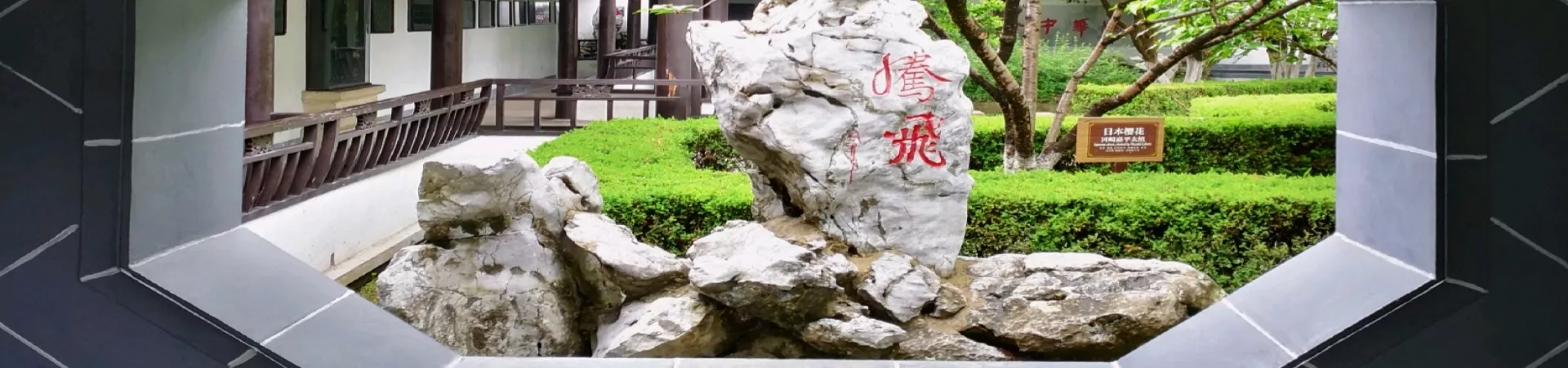
1.2 Treasures Within: The Welcoming Pine Spirit Stone Inside the recreated Expo Pavilion, guests are treated to a remarkable artifact that bridges the garden's theme with a tangible piece of modern exhibition history: the rare Lingbi Stone sculpted into the form of a "Welcoming Pine" (迎客松). This very stone was displayed during the Shanghai World Expo. Lingbi stone, a prized metamorphic rock known for its sonorous quality when struck and its intricate natural shapes, is a cultural treasure of Anhui. This particular artwork, embodying the pine tree—a universal symbol of endurance and hospitality—serves as a powerful metaphor for the garden itself: a gesture of welcome to the world to explore Anhui's wonders.
Section 2: The Visitor Experience
2.1 Atmosphere and Ideal Visits Huizhou Garden provides a stark, peaceful contrast to the surrounding urban energy of Hefei. Its pathways, waterways, and architectural clusters are designed for ambling rather than rushed sightseeing. The ambiance is one of quiet contemplation and casual discovery. The park is particularly charming in spring, when new greenery complements the classical landscapes, making it an ideal spot for a relaxing outing. While dedicated sightseers can enjoy identifying the various regional models, the space is equally suited for those simply wishing to rent a bicycle and wander without a strict agenda, letting the serene environment and evolving vistas provide their own reward.
2.2 Practical Considerations for Your Visit A visit to Huizhou Garden requires pragmatic planning. Its appeal is niche, and managing expectations is key. The replicas, while instructive, are not ancient; some structures may show signs of wear. Therefore, it is highly recommended for: * First-time visitors to Anhui seeking a visual introduction. * Those with a specific interest in Chinese garden design or Hui architecture. * Locals and residents looking for a spacious, quiet park for relaxation. Conversely, travelers with extremely limited time in Hefei (e.g., less than a full day) or those solely seeking nationally renowned, original historical sites might consider prioritizing other attractions. The garden is best appreciated as a leisurely half-day excursion rather than a compulsory checklist item.
Section 3: Essential Planning Information
3.1 Admission and Operating Hours * Opening Hours: 8:30 AM - 5:10 PM daily. Last admission is at 5:10 PM. * General Admission Ticket: 20 RMB. * Concessions: * Half-price ticket: Full-time undergraduate students and below with valid student ID. * Free admission: Children under 1.2 meters or 6 years old; adults aged 60+ with valid ID; active-duty military personnel, retired army veterans, and individuals with disabilities with valid certificates. * Special Note (Valid until December 31, 2024): Medical personnel who aided in Hubei Province during the pandemic can enter for free upon presentation of their honorary certificate, professional qualification certificate, and ID card.
Important Tip: All ticket information is subject to change. It is always advisable to verify the latest prices and policies directly at the ticket office on the day of your visit.
3.2 Getting There and Suggested Duration * Location: Within Hefei, Anhui Province. * Transport: The most convenient access is via public bus. Multiple routes stop at the "Huiyuan (Huizhou Garden) Bus Stop," including buses 20, 52, 80, and 150. From the stop, the garden entrance is within short walking distance. * Suggested Visit Duration: Approximately 1 to 3 hours. This allows sufficient time to see the major exhibits, explore the Expo Pavilion, and enjoy a relaxed stroll or bike ride through the grounds without feeling rushed.