Anhui Museum
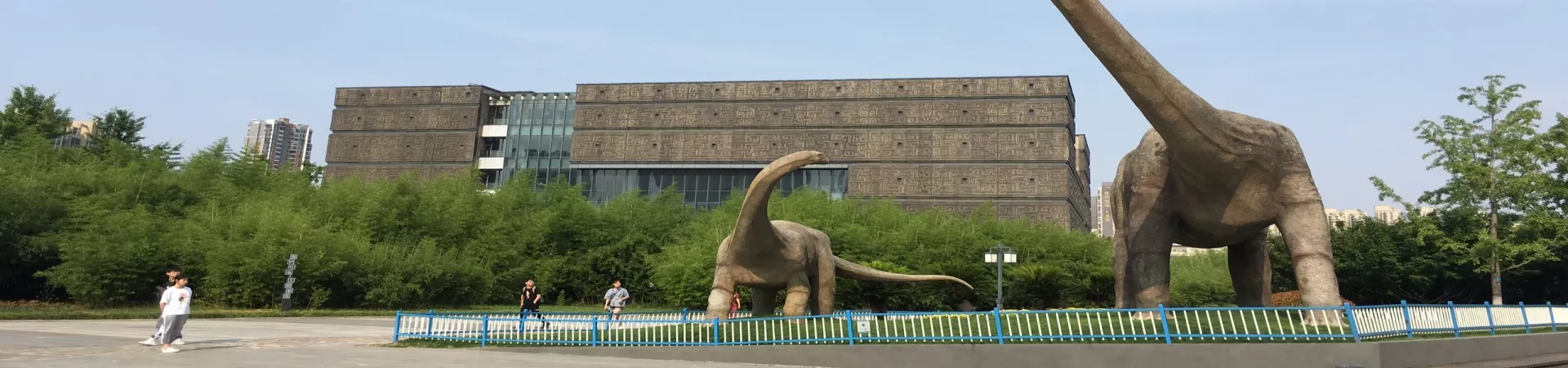
Anhui Museum: A Modern Gateway to Millennia of Civilization
Nestled within the governmental and cultural heart of Hefei's Zhengwu New District, the Anhui Museum New Building stands as a monumental testament to both regional heritage and contemporary architectural ambition. More than just a repository of artifacts, it is a carefully crafted spatial experience designed to bridge the profound past of Anhui Province with the dynamic present.
Architectural Philosophy: A Dialogue Between Tradition and Modernity
The museum's design is a profound architectural statement, masterfully interpreting the essence of Hui-style architecture—a school synonymous with Anhui—for the 21st century. The concept of "Four Waters Returning to the Hall, Five Directions Interconnected" is not merely an aesthetic choice but a philosophical guide. This traditional layout, commonly seen in ancient Huizhou residences where roof rainwater channels inward to a central courtyard, symbolizing the accumulation of wealth and family unity, is reimagined here on a grand, public scale.
The External Facade: A Canvas of History The building's exterior is clad in materials imbued with narrative. The extensive use of bronze-textured panels is a deliberate evocation of the region's deep historical roots, particularly its significance during the Bronze Age. This metallic skin gives the structure a dignified, timeless presence, suggesting the weight and endurance of the culture it safeguards. It serves as a powerful prelude, preparing visitors for the historical journey within.
The Internal Realm: Warmth and Illumination Upon entering, the atmosphere shifts dramatically. The interior surfaces are generously lined with warm wood, creating an inviting and humane counterpoint to the solemn exterior. This material choice fosters a sense of intimacy and connection, allowing visitors to engage with history in a comfortable, contemplative environment. The architectural dialogue reaches its zenith in the central atrium.
The Atrium: The Heart of Light and Connection Soaring above, the atrium is enveloped by a curtain wall of crystalline glass. This bold, modern element floods the interior core with natural light, creating a luminous, open, and uplifting public space. It is here that the "five directions interconnected" become a tangible experience, as the transparent walls visually link different exhibition wings and floor levels, encouraging exploration and symbolizing the interconnectedness of history, culture, and community. This striking juxtaposition of solid bronze and transparent glass perfectly encapsulates the museum's mission: to protect and study the solid artifacts of the past while making them accessible and relevant to today's world.
The Collections: A Treasure Trove Spanning Dynasties
The architectural grandeur is matched by the sheer scale and importance of the museum's holdings. Building upon the rich archaeological and historical legacy of Anhui—a cradle of ancient Chu culture, a hub of Ming and Qing merchant dynasties, and a region pivotal in Chinese history—the museum boasts an exceptionally diverse collection of over 230,000 cultural relics, specimens, documents, and ancient texts.
Permanent Exhibition Highlights The core exhibitions are systematically organized to guide visitors through the epic sweep of Anhui's story. Key galleries are dedicated to the prehistoric cultures of the region, the dazzling bronze ritual vessels of the Shang and Zhou dynasties excavated from local sites, and the exquisite celadon porcelains from famous kilns. A significant portion is devoted to the unique cultural artifacts of the Huizhou (Anhui) merchants during the Ming and Qing periods, including intricate wood carvings, ink stones, and historical documents that reveal their vast commercial networks and influential aesthetic.
Notable Artifacts and Thematic Displays Beyond chronological narrative, the museum utilizes its vast collection for deep thematic dives. Exhibits might focus on ancient Chinese calligraphy and painting, featuring works by masters from the region, or on the evolution of local opera and folk traditions. The collection of ancient coins, jade carvings, and Buddhist sculptures further enriches the narrative, offering multifaceted insights into the spiritual, economic, and artistic life that has flourished in this land for millennia.
Visitor Information: Planning Your Journey
A visit to the Anhui Museum is a rewarding investment of time, easily encompassing half a day or more for those keen to delve into its depths.
Admission and Reservations Admission to the museum is free of charge. However, in line with standard practice at major Chinese cultural institutions, all visitors are required to book their visit in advance using their valid personal identification (such as a passport for international tourists). This reservation system helps manage visitor flow and ensure a quality experience. It is highly advisable to check the latest reservation procedures and policy details via the museum's official channels before your visit.
Operating Hours The museum is open from 9:00 AM to 5:00 PM, Tuesday through Sunday. The last admission is at 4:30 PM. The museum is closed to the public on Mondays (except for certain public holidays, which may be subject to special announcements).
Location and Transportation The museum is located at No. 87, Sanlian Road, in Hefei's Zhengwu New District. It is easily accessible by public bus. Visitors can take bus routes 105, 113, or 129 and alight at the "Sheng Bowuyuan Nanmen" (Provincial Museum South Gate) stop. From there, it is a short and straightforward walk of approximately 220 meters to the museum entrance.
The Anhui Museum, through its harmonious blend of symbolic architecture and world-class collections, offers an unparalleled window into the soul of central China. It is an essential destination for anyone seeking to understand the historical forces and artistic achievements that have shaped not only Anhui but the broader tapestry of Chinese civilization.