Xixi Wetland Park
Subtitle: A Guide to Xixi National Wetland Park, Hangzhou's "Kidney" and a Sanctuary of Waterways and Mists
Introduction: The "Third Xi" of Hangzhou
Nestled on the western fringe of Hangzhou's urban expanse, Xixi National Wetland Park stands as a serene counterpoint to the city's bustle. Historically celebrated alongside the West Lake (Xi Hu) and the Xiling Seal Engraver's Society (Xi Leng) as one of the "Three Xi's of Hangzhou," Xixi is renowned for its poetic essence, often described as "a melody of streams, a melody of mists." This vast aquatic labyrinth is one of China's rare first-state national wetland parks and is affectionately dubbed "Hangzhou's Kidney" for its crucial ecological role in water purification and climate regulation within the metropolitan area. More than just a natural preserve, it is a living cultural landscape where centuries of harmonious human interaction with the wetland environment have shaped a unique heritage of fishing, sericulture, and bamboo cultivation.
Exploring the Park's Layout and Zones
The park is systematically divided into two main sectors: the East Zone and the West Zone, each offering distinct experiences.
2.1 The East Zone: The Heart of Natural Splendor The East Zone, encompassing Phase I and Phase II development areas, is considered the core of Xixi's natural beauty. Here, the classic wetland scenery unfolds in its most pristine form. The area is a complex network of waterways, ponds, reed marshes, and ancient trees, creating a haven for biodiversity. The quintessential Xixi experience is found here: gliding silently on an electric boat or a hand-rowed wooden yaolu boat through the tranquil, maze-like canals, enveloped by lush greenery and the sounds of nature.
2.2 The West Zone (Hongyuan Scenic Area): Cultural Heritage and Tranquility The West Zone, also known as the Hongyuan Scenic Area (Phase III), places a stronger emphasis on cultural and historical exploration. It centers around the restored Hong family estate, offering insights into the traditional Jiangnan water-town architecture and the scholarly culture of past dynasties. This zone tends to be slightly less crowded, providing a more peaceful atmosphere for strolls along its paths and bridges, and exploring its elegant gardens and courtyards.
Essential Visitor Information
Planning your visit requires attention to the following practical details to ensure a smooth experience.
3.1 Operating Hours The park operates on seasonal schedules:
- Summer Season (April 1 - October 7): 07:30 - 18:30
- Winter Season (October 8 - March 31): 08:00 - 17:30
3.2 Ticketing and Fees Admission and transportation within the park are ticketed separately. All prices are in Chinese Yuan (RMB).
- Park Entry Ticket: 80 RMB (standard adult).
- Electric Boat Ticket: 60 RMB. This is highly recommended for exploring the extensive waterway system.
- Electric Cart Ticket: Single line 10 RMB / Day pass 20 RMB.
- Special Boat Options: Charming yaolu (rowboat) experiences are available at different points: Zhoujia Village (100 RMB/hour), Hongyuan (150 RMB/hour), with themed packages at Fudi and Yinxiang (288 RMB/hour each).
- Concessionary Tickets: Significant discounts and free entry are offered. It is crucial to present valid original identification documents for verification.
- Half-Price Entry (40 RMB): Applies to minors (6-18 years) with guardian supervision, full-time students (undergraduate and below), and citizens aged 60-69.
- Free Entry: Granted to children under 6 or under 1.2m in height (with guardian), seniors aged 70+, active military personnel, disabled individuals, journalists, specific honorees (e.g., veterans, long-service teachers, blood donors), and holders of a valid Hangzhou Parks IC Card or Citizen Card with activated annual pass.
3.3 Transportation and Access
- Getting There: Public bus is a convenient option. Multiple routes (e.g., 277, 356, 596, 506C) stop at Xixi Wetland Zhoujia Village Bus Station. From there, it is a short, approximately 150-meter walk to the main entrance (Zhoujia Village Pier is a primary access point).
- Getting Around: Inside the park, a combination of walking, electric boats, and electric carts is the norm. The electric boat service follows set routes with designated piers, allowing for hop-on, hop-off exploration. Walking paths and bridges connect various land attractions.
Recommended Experiences and Activities
To fully appreciate Xixi's multifaceted charm, consider engaging in these signature activities.
4.1 The Essential Boat Journey A voyage on the water is non-negotiable. Opt for the electric boat tour for a comprehensive, narrated journey through the main waterways, passing by key scenic spots. For a more intimate, romantic, and slower-paced immersion, hire a traditional yaolu rowboat. The boatman often navigates narrower, quieter channels, offering unparalleled peace and opportunities for photography, accompanied only by the soft dip of the oar and the rustle of reeds.
4.2 Seasonal Highlights and Photography Xixi's beauty transforms with the seasons, presenting different photographic canvases throughout the year.
- Spring: Blossoming peach and plum trees, fresh green willows, and vibrant azaleas.
- Summer: Lush, expansive reed beds and lotus leaves covering the water's surface.
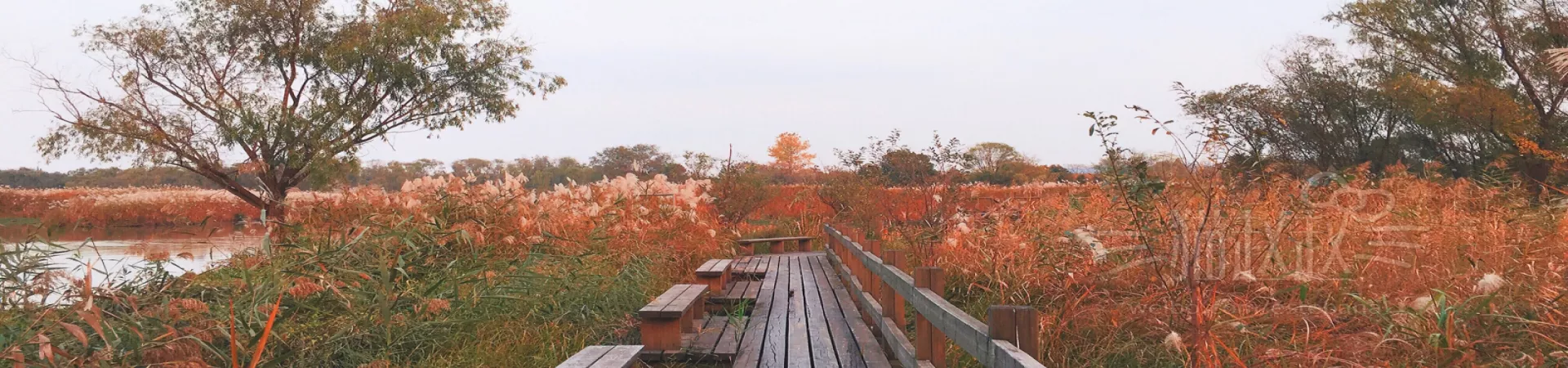
- Autumn: The iconic "Reed Snow" (芦花飞雪) as the reed catkins turn to a silvery white, creating a dreamy, ethereal landscape, particularly stunning at sunset.
- Winter: A stark, quiet beauty, sometimes dusted with snow, offering a minimalist aesthetic.
4.3 Cultural and Ecological Discovery Beyond the scenery, delve into the park's ecological and cultural narratives. Visit the Xixi Wetland Museum to understand the ecosystem's significance. Explore the Hongyuan Estate to step back into Jiangnan gentry life. Stroll along Fudi, a free-access causeway lined with historic stone bridges, or visit Shen's Dwelling, a traditional residence showcasing local architecture. Keep an eye out for the rich birdlife, including herons and egrets, which are integral to the wetland's vitality.
Information last verified/updated: September 2023.