Xiling Imprinting Corporation
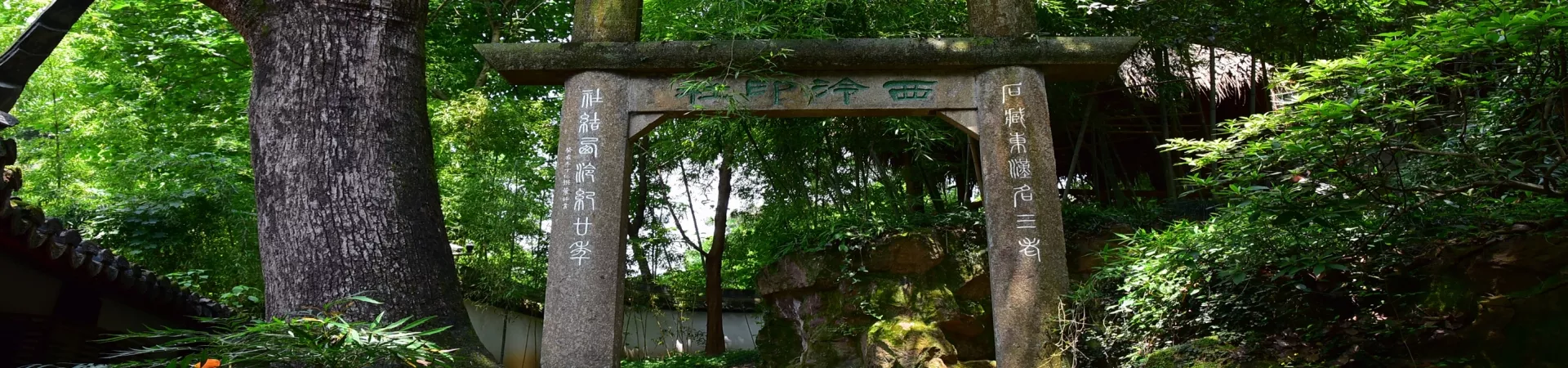
Subtitle: A Sanctuary of Stone and Script: Exploring Hangzhou's Xiling Seal Engravers' Society
Introduction: Where Art, History, and Landscape Converge Nestled on the serene slopes of Gushan (Solitary Hill) within Hangzhou's famed West Lake scenic area, the Xiling Seal Engravers' Society (Xīlíng Yìnshè) stands as a hallowed ground for Chinese traditional arts. Far more than a mere museum or park, it is a living academy, a revered spiritual home for scholars of seal engraving, calligraphy, painting, and poetry. Founded in 1904 during the twilight of the Qing Dynasty by a group of visionary artists including Ding Ren, Wang Fu, Wu Yin, and Ye Weiming, its purpose was to preserve and rejuvenate the ancient, revered art of seal carving. Today, it offers visitors a profound journey into a refined world where human creativity harmonizes perfectly with natural beauty, providing a tranquil escape from the modern city and a deep dive into China's scholarly culture.
1. Architectural Harmony: A Stroll Through a Scholar's Garden The society's layout is a masterpiece of classical Chinese garden design, where pavilions, towers, and studios are artfully integrated into the hillside forest, following the natural contours of the land. Each structure serves both a practical purpose and carries poetic allusions.
1.1. The Heart of the Society: Guangle Tower (Wu Changshuo Memorial Hall) The most prominent building is the Guangle Tower, which now functions as the Wu Changshuo Memorial Hall. Wu Changshuo, a monumental figure in modern Chinese art—renowned as a painter, calligrapher, and seal engraver—served as the society's first president. The tower houses a collection of his masterpieces, personal artifacts, and historical documents, offering intimate insight into the life and work of the man who helped define the society's artistic legacy. The building itself, with its elegant wooden architecture, embodies the quiet dignity of a scholar's retreat.
1.2. Pavilions for Contemplation: Shijiao Ting and Tixian Ting Scattered along the winding paths are intimate pavilions designed for rest, conversation, and inspiration. The Shijiao Ting (Stone Friendship Pavilion) symbolizes the strong, unbreakable bonds of fellowship among the founding artists. Nearby, the Tixian Ting (Moss-Clearing Pavilion) evokes the image of a dedicated scholar carefully clearing moss from ancient stone steles to reveal their inscriptions—a metaphor for the society's mission of uncovering and preserving cultural heritage.
1.3. The Gathering Place: Tijin Hall The Tijin Hall (Hall of Inscribed Lapels) historically served as a central meeting place for members to display their latest works, critique each other's art, and engage in spirited intellectual discourse. Its name recalls the tradition of inscribing poetry on the lapels of robes during gatherings of literati. The hall continues to exude an atmosphere of collaborative artistic pursuit.
2. Treasures of the Collection: Seals, Script, and Scrolls The core of Xiling's identity lies in its unparalleled collection, which transforms the site into a veritable treasury of Chinese epigraphic and graphic arts.
2.1. The Sacred Art of Seal Engraving The society safeguards a vast and priceless collection of ancient and modern seals (or chops). These are not merely functional stamps but exquisite miniature sculptures, where the artistry lies in the mastery of script (often ancient seal script), the composition of characters within a confined space, and the meticulous carving into materials like stone, jade, or metal. Viewing these seals offers a lesson in Chinese history, philosophy, and personal expression, as each bears the name, studio, or philosophical motto of its owner.
2.2. The "Han Sanlao Stone Stele": A Pillar of Epigraphic History One of the society's most prized possessions is the "Han Sanlao Stone Stele" (Hàn Sānlǎo Shíbēi), enshrined in a protective stone chamber on the hillside. Dating from the Eastern Han Dynasty (25-220 AD), this stele is one of the earliest surviving examples of stone inscription in China. Its text provides invaluable historical and linguistic data, and its preservation is a testament to the society's foundational role in Chinese epigraphy—the study of ancient inscriptions.
2.3. A Nexus of Literary Pilgrimage For a global community of readers, Xiling holds an additional layer of allure. It served as the direct inspiration for the antique shop owned by the protagonist Wu Xie in the immensely popular novel series "The Grave Robbers' Chronicles" (Dàomù Bǐjì). This connection draws book fans from around the world, who visit to experience the real-life atmosphere of mystery and history that permeates the novels.
3. Iconic Landmarks: The Pagoda and the Panorama Ascending the paths leads to the society's spiritual and visual apex.
3.1. The Huayan Scripture Pagoda: Symbol in Stone Dominating the hilltop is the octagonal, multi-eaved Huayan Jing Ta (Huayan Scripture Pagoda). Built in 1924, this elegant stone pagoda is the undisputed iconic symbol of the Xiling Seal Engravers' Society. It is adorned with exquisite浮雕 of the Buddha and inscriptions from the Huayan Sutra, a central text in Mahayana Buddhism. The pagoda represents the fusion of artistic, literary, and spiritual pursuits that defined the Chinese literati tradition.
3.2. Vistas of West Lake The climb to the pagoda is rewarded with one of the most tranquil and breathtaking views of West Lake. Framed by ancient trees and the society's rooftops, the panorama of the lake's shimmering waters, distant willows, and rolling hills encapsulates the classic Chinese aesthetic ideal—a painting come to life.
4. Practical Information for Your Visit
4.1. Admission and Hours Admission to the Xiling Seal Engravers' Society is free of charge, making this cultural gem accessible to all. The site is open daily from 8:30 AM to 4:30 PM. Note that entry is often managed in two sessions: the morning session from 8:30 AM to 12:00 PM, and the afternoon session from 12:00 PM to 4:00 PM. It is advisable to arrive early to secure entry, especially during peak tourist seasons and weekends.
4.2. Planning Your Experience A comprehensive visit to explore the buildings, view the collections, and enjoy the scenery typically requires 1 to 2 hours. The paths involve gentle to moderate inclines, so comfortable walking shoes are recommended. The atmosphere is one of quiet contemplation; visitors are encouraged to explore at a leisurely pace, absorbing the details of carvings, inscriptions, and the peaceful sound of wind in the bamboo. The society is a cornerstone of any cultural itinerary in Hangzhou, offering a unique and profound perspective on the artistic soul that has animated West Lake's beauty for centuries.