Quyuan Fenghe
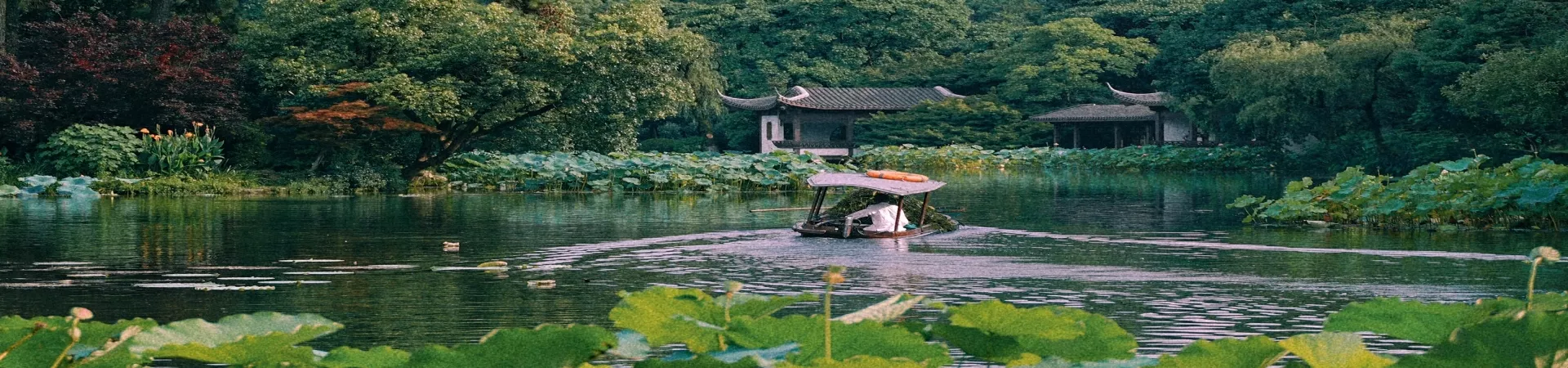
Subtitle: A Journey Through Lotus Blooms and Historic Brews at West Lake's "Breeze-ruffled Lotus at Quyuan Garden"
1. Introduction: A Quintessential West Lake Masterpiece
Nestled along the northwestern shores of the iconic West Lake in Hangzhou, the "Breeze-ruffled Lotus at Quyuan Garden" (曲院风荷, Qūyuàn Fēnghé) stands as one of the ten poetically named, classic vistas that have defined the lake's beauty for centuries. More than just a scenic spot, it is a multisensory experience that marries profound historical ambiance with breathtaking natural spectacle. Primarily celebrated for its vast, mesmerizing colonies of lotus blossoms that dominate the landscape in summer, the park offers a serene escape where water, architecture, and flora exist in perfect harmony. A visit here is not merely a walk in a garden; it is an immersion into a living painting, an exploration of botanical diversity, and a step back into the aromatic legacy of the Southern Song Dynasty.
2. Historical Essence: The Legacy of Wine and Fragrance
2.1. Origins in the Southern Song Dynasty The site's unique name and character are deeply rooted in the 13th century, during the Southern Song Dynasty when Hangzhou (then named Lin'an) served as the imperial capital. This area was originally the location of an official government-run brewery (曲院, Quyuan), which utilized the clear water from nearby springs to produce qu liquor, a distinctive fermented wine.
2.2. The Symphony of Scents The true magic occurred in the summer months. The brewery's grounds were adjacent to shallow lakes and marshes where wild lotuses thrived. When the summer breeze swept across the water, it carried with it a captivating and inseparable blend of two fragrances: the sweet, earthy aroma of fermenting grain and wine from the brewery, and the fresh, delicate scent of blooming lotus flowers. This natural olfactory symphony gave birth to the evocative name "Breeze-ruffled Lotus at Quyuan Garden," perfectly capturing the essence of the place where human craft and natural beauty intertwined.
3. The Lotus Spectacle: A Botanical Wonderland
3.1. A Riot of Varieties and Colors Today, the historical brewery may be gone, but its legacy is preserved in the form of the expansive Fenghe Park (风荷公园). The park serves as a dedicated lotus conservatory, cultivating over one hundred distinct varieties of lotus (Nelumbo nucifera) and water lilies. From late June through August, the park transforms into a breathtaking sea of color and form. The landscape is a vibrant tapestry of lush, circular lotus leaves ("莲叶田田") that float densely on the water's surface, creating a carpet of green. Rising majestically above them are the flowers themselves—the "菡萏妖娆"—in shades of pristine white, soft pink, vibrant rose, and even rare yellow.
3.2. Architectural Harmony: Pathways Through the Blooms The genius of the park's design lies in its interactive viewing platforms. A network of elegant, zigzagging bridges and wooden walkways is artfully constructed over the water, allowing visitors to venture deep into the heart of the lotus fields. These pathways, including the iconic Nine-Turn Bridge, are designed to offer constantly shifting perspectives.
3.3. The Immersive Experience Walking these bridges, one experiences the sensation of "walking through the lotuses." The flowers and leaves brush gently against the railings, creating an intimate connection with the flora. The views from the center of the ponds are panoramic, with pavilions, distant hills, and the expanse of West Lake itself framing the vibrant foreground of blooms. It is a photographer's paradise and a place of deep tranquility, where the only sounds are the rustle of leaves in the wind and the gentle hum of dragonflies.
4. Practical Visitor Information
4.1. Location and Transportation The Quyuan Fenghe area is easily accessible as part of the West Lake circuit. * By Public Bus: Several bus lines stop nearby. The most convenient stop is Hangzhou Huapu (杭州花圃, Hangzhou Nursery Station). Services include routes 194, 318, 507H (Holiday Line), and the Digital Tourism Bus Line 5. From the bus stop, a short and pleasant walk will lead you to the park entrances. * By Bicycle or Electric Scooter: Renting a bicycle or using a shared scooter is a highly recommended and flexible way to explore the entire West Lake area, including this site. * By Taxi/Rideshare: Simply ask for "Qūyuàn Fēnghé" or "Fēnghé Gōngyuán."
4.2. Admission and Opening Hours * Admission Fee: The park is free of charge and open to the public, making it an accessible highlight for every visitor. * Opening Hours: The park grounds are open 24 hours a day, all year round. However, the most vibrant and recommended time to visit is during daylight hours, particularly from morning until late afternoon, to fully appreciate the lotuses and scenery. Summer mornings are especially magical.
4.3. Planning Your Visit * Best Time to Visit: The absolute peak season is mid-summer (July to early August) when the lotuses are in full, spectacular bloom. Early morning visits offer softer light and fewer crowds. * Suggested Duration: Plan to spend 1 to 3 hours exploring the winding paths, bridges, and different lotus ponds at a leisurely pace. It can be seamlessly combined with visits to neighboring West Lake attractions like Su Causeway or Yue Temple. * Contact Information: For specific inquiries, you may contact the park management at 0571-87179603.
4.4. Visitor Tips * The lotus flowers typically begin to open at dawn and start to close in the late afternoon. For the best viewing of open blooms, aim for a visit before mid-afternoon. * Wear comfortable walking shoes suitable for paved paths and bridges. * While the summer is prime lotus season, the park retains its serene, watery charm in other seasons, with autumn offering golden hues and winter a stark, quiet beauty. * As with any public attraction, operational details like specific access points or event schedules are subject to change. It is always advisable to check for any official updates from West Lake or Hangzhou tourism authorities on the day of your visit.