Nine creeks in misty forest
Subtitle: A Misty Escape: Exploring Jiuxi Yanshu, Hangzhou's Enchanted Stream Valley
Introduction: The Allure of Mist and Water
Nestled amidst the rolling hills and world-renowned tea plantations of southwestern Hangzhou, away from the bustling crowds of West Lake, lies a serene and poetically beautiful landscape known as Jiuxi Yanshu. Its name, translating to "Nine Creeks and Misty Trees," perfectly captures its ethereal essence. This area, often colloquially called the "Nine Creeks and Eighteen Gullies," is not a single attraction but a tranquil, verdant valley formed by the convergence of numerous small mountain streams. These streams weave together to create a distinctive Y-shaped water system, carving a path through dense forests and vast tea fields. The true magic, however, reveals itself after rainfall. Moisture evaporating from the lush vegetation of the surrounding Bajue Mountain cloaks the entire valley in a soft, drifting mist, causing the trees to appear as if floating in a sea of clouds—a breathtaking spectacle that gives the place its famed "Misty Trees" panorama. It is a sanctuary of cool air, gentle sounds, and visual tranquility, offering a perfect retreat for nature lovers, hikers, photographers, and anyone seeking respite from the summer heat.
Section 1: Navigating the Y-Shaped Valley - Entrances and Key Landmarks
Understanding the simple geography of Jiuxi Yanshu is key to planning your visit. The valley's hydrological layout resembles the letter "Y," and this shape defines its three main access points.
1.1 The Three Gateways * Jiuxi Road (The Base of the 'Y'): This is the most common starting point for visitors. Located at the lower, southern end of the valley, it offers a gentle, picturesque walk along the main stream. * Longjing Village (The Left Top of the 'Y'): This famous village, the epicenter of Dragon Well (Longjing) tea production, sits at the northwestern tip. Starting here allows you to walk downhill through tea terraces towards the valley center. * Yangmeiling (The Right Top of the 'Y'): Another quaint village area situated to the northeast. The route from here also descends into the heart of the valley.
1.2 The Heart: Xizhongxi and Core Attractions At the confluence of the two upper branches—where the three lines of the "Y" meet—lies the scenic core of the area, known as Xizhongxi, meaning "Stream within a Stream." This junction is the focal point where several key sites are concentrated: * Jiuxi Yanshu Park: A beautifully maintained park area around Xizhongxi where the misty tree scenery is often at its most dramatic. It's an ideal spot for photography and quiet contemplation. * Li'an Temple: A historic Buddhist temple nestled in the woods near Xizhongxi. Its serene atmosphere and ancient architecture provide a cultural and spiritual counterpoint to the natural beauty. * Waterfalls and Pools: The converging waters create small, charming waterfalls and clear, shallow pools along the streams, inviting visitors to pause and enjoy the soothing sounds.
Section 2: Planning Your Journey - Routes and Transportation
A visit to Jiuxi Yanshu is about immersive exploration. You can tailor the experience based on your time, energy, and interests.
2.1 Recommended Hiking Route The most popular and highly recommended walking itinerary is the Jiuxi Road → Xizhongxi → Longjing Village route. This path allows you to walk upstream from the entrance, following the soothing sound of water all the way to the central Xizhongxi area. After exploring the temples and parks, you then continue uphill (a gentle incline) through stunning tea plantations towards Longjing Village. This culminates your hike in the heart of tea country, where you can reward yourself with a cup of authentic Dragon Well tea. The entire walk covers approximately 5.5 kilometers and, at a leisurely pace with stops, forms a fulfilling half-day excursion.
2.2 Alternative: Scenic Drive For those preferring not to hike the entire way or with limited time, the stretch between Jiuxi Road and Xizhongxi, and further up to Yangmeiling, is accessible by car. The road is scenic, winding alongside the creek. There are parking facilities available within the valley, particularly near the Xizhongxi area. However, driving on weekends or holidays can be challenging due to limited space.
2.3 Getting There by Public Transport The most straightforward public transportation approach involves taking public bus 87, which services the Yangmeiling area. Alight at the Yangmeiling bus stop. From there, it is approximately a 1.7-kilometer (around 20-25 minute) pleasant downhill walk to reach the Xizhongxi central area. Alternatively, taxis or ride-hailing services can conveniently drop you at any of the three main entrances.
Section 3: Essential Visitor Information
3.1 Admission and Opening Hours One of the greatest advantages of Jiuxi Yanshu is its accessibility. The area is open to the public free of charge. There is no admission ticket required to enter the valley or its walking paths. Furthermore, it is open 24 hours a day, every day of the year. This allows for incredible flexibility—from morning hikes shrouded in mist to peaceful afternoon strolls and even serene evening walks.
3.2 Suggested Duration To fully appreciate the scenery, walk the main paths, and visit sites like Li'an Temple, you should allocate between 2 to 4 hours. This provides ample time for a comfortable one-way hike (e.g., from Jiuxi Road to Longjing Village), including numerous photo stops and moments of relaxation by the water. A brisk walk through just a section may take about an hour, but to rush would be to miss the essence of the place.
Section 4: The Sensory Experience - What to Expect and Feel
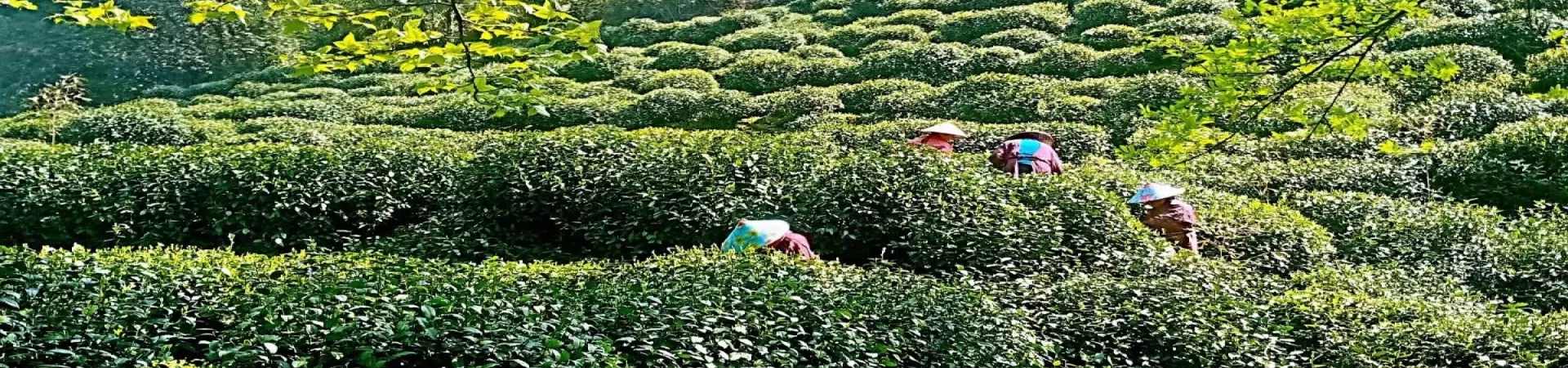
4.1 A Verdant, Multi-Layered Landscape The valley is a tapestry of green. Towering trees, primarily camphors and pines, form a canopy overhead. Below, lush ferns and moss-covered rocks line the paths. Most strikingly, the slopes are adorned with expansive, neatly terraced tea plantations. The vibrant green of the tea bushes changes hue with the seasons and weather, creating a dynamic backdrop against the dark forest and the clear or misty sky.
4.2 The Symphony of Water and Air The constant, gentle murmur of flowing water is your companion throughout the walk. You will cross the streams multiple times via simple, iconic stone stepping stones—an experience that is both fun and immersive. The air is notably fresh, cool, and humid, rich with the scent of damp earth, vegetation,, and, in spring, the faint aroma of tea leaves. This microclimate makes it a celebrated natural summer retreat.
4.3 A Living Cultural Landscape Jiuxi Yanshu is more than untouched wilderness; it is a cultural landscape shaped by centuries of tea cultivation. Your walk will likely bring you past local tea farmers tending their bushes. Reaching Longjing Village offers a direct connection to this heritage, presenting opportunities to learn about and purchase some of China's most famous tea directly from its source. The presence of Li'an Temple adds a layer of historical depth and tranquility to the natural setting.