LingYin Temple
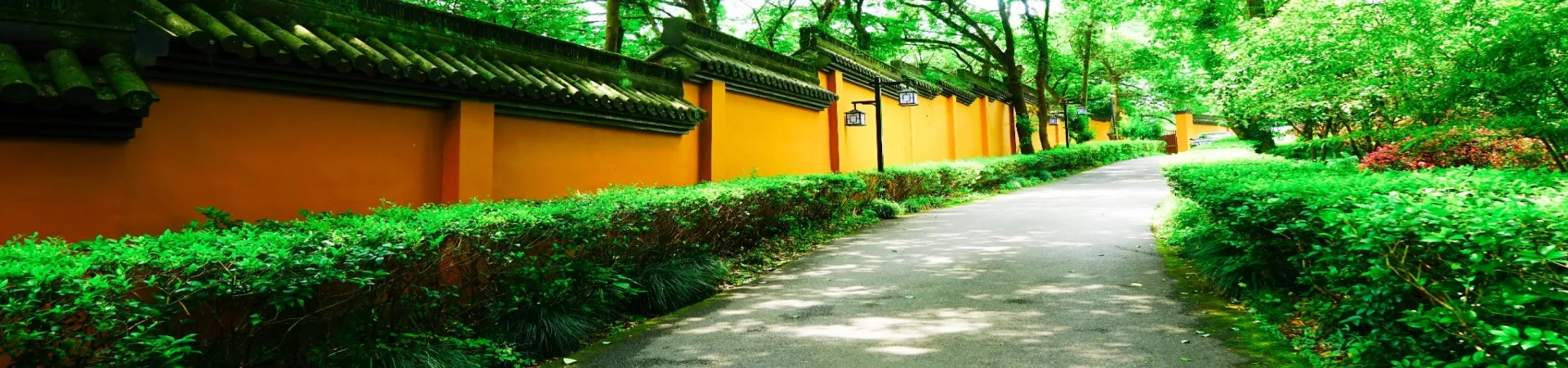
A Pilgrimage Through Time: The Spiritual and Artistic Heart of Hangzhou
Nestled against the serene backdrop of the West Lake, Lingyin Temple, or the Temple of the Soul's Retreat, stands as a monumental pillar in Chinese Buddhist history. Revered as one of the earliest Buddhist monasteries in China and consistently ranked among the nation's Top Ten Ancient Temples, it is far more than a scenic attraction. It is a living museum, a spiritual powerhouse, and a testament to centuries of artistic devotion, offering visitors a profound journey through faith, art, and nature.
A Legacy Carved in Stone and Spirit
Historical Significance and Spiritual Ambiance Founded in 328 AD during the Eastern Jin Dynasty by the Indian monk Huili, Lingyin Temple has endured over 1,600 years of history. Its very name, inspired by the tranquil, secluded landscape that Huili believed was a haven for immortal spirits, continues to define its atmosphere. Walking through its ancient gates, one steps away from the modern bustle into a realm of profound peace. The temple complex has been meticulously rebuilt and restored numerous times after fires and conflicts, each reconstruction layering new chapters onto its sacred story. Today, it remains an active center of worship, where the rhythmic chanting of monks and the fragrant haze of incense create an immersive sensory experience.
Architectural Grandeur and Imperial Treasures The temple's layout is a classic example of Song Dynasty monastic architecture, with its major halls arranged along a central axis. Above the entrance to the Heavenly King Hall hangs a magnificent plaque inscribed with "Yunlin Chan Si" (Cloud Forest Chan Monastery). This calligraphy was a personal gift from the Kangxi Emperor of the Qing Dynasty, signifying the temple's enduring prestige and imperial patronage throughout the ages. Within the various halls, visitors encounter a stunning collection of cultural relics. The Great Hall of the Great Sage houses a majestic 24.8-meter-high statue of Sakyamuni Buddha, carved from 24 pieces of camphor wood. The Hall of the Medicine Buddha and the Sutra Library further safeguard precious artifacts, including ancient Buddhist texts, intricate wood carvings, and delicate porcelain from various dynasties, making the temple a true treasure trove.
The Artistic Marvels of Feilai Feng (The Peak that Flew Here)
A Landscape of Limestone Caves and Grottos No visit to Lingyin is complete without exploring the Feilai Feng (Peak that Flew Here) grottoes, a prerequisite for entering the temple itself. This unique limestone hill, pitted with fantastical caves and weathered into surreal shapes by erosion, is shrouded in legend. It is said this peak flew from India, carrying with it Buddhist spirits to this very spot.
A Gallery of Ancient Rock Carvings Scattered across and within this peak is one of the most significant collections of Buddhist rock carvings in southern China. With origins tracing back to the Five Dynasties period (907-960 AD) and continuing through the Yuan Dynasty, these over 470 stone statues and reliefs represent a rare and precious artistic heritage in the Jiangnan region. The most iconic among them is the smiling Maitreya Buddha (Laughing Buddha) from the early Song Dynasty, a plump, jovial figure that has become a symbol of happiness and contentment. Other notable carvings include the serene Guanyin of the Water-Moon, elegant and detailed, and a majestic Sakyamuni Buddha statue within the largest cave, Longhong Cave. These carvings, blending Indian Gandharan influences with distinct Chinese artistic evolution, offer a breathtaking open-air gallery of religious art history.
Practical Information for Your Visit
Location and Transportation Lingyin Temple is located in the west of Hangzhou, Zhejiang Province, seamlessly integrated into the scenic area north of the West Lake. The most convenient way to reach it is by public bus. Take bus routes 103, 121, 1314, or 324M and alight at the Santianzhu (Three Heavens) bus stop. From there, a pleasant 472-meter walk through a shaded, green path will lead you to the temple entrance.
Admission Details and Opening Hours Visiting requires a two-part ticket:
- Feilai Feng Scenic Area Ticket: This is mandatory for entry to the temple grounds.
- Adult Ticket: 45 RMB
- Concession Ticket (22.5 RMB): Applies to children aged 6-18 (inclusive) and seniors aged 60-69 (inclusive).
- Free Admission: Granted to children under 6 (or under 1.2 meters in height) and seniors aged 70 and above.
- Lingyin Temple Entrance Ticket: Purchased separately inside the Feilai Feng area to access the main temple buildings. The complex is open daily from 07:00 to 18:15, year-round. Allocating 1 to 3 hours is recommended to fully appreciate both the grottoes and the temple at a comfortable pace.
- Feilai Feng Scenic Area Ticket: This is mandatory for entry to the temple grounds.
A Living Temple of Legend and Devotion Beyond its historical and artistic weight, Lingyin Temple pulses with vibrant folk belief. It is famously known as the monastery where the beloved folk hero Ji Gong (Mad Monk) took his vows. Revered as a mischievous but benevolent saint who helped the poor, his association makes the temple a particularly potent site for prayers and blessings. It is widely believed that wishes made here are especially likely to be granted, attracting a continuous stream of pilgrims and devotees who come to light incense, offer prayers, and seek spiritual fortune. This enduring devotion ensures that Lingyin is not merely a relic of the past but a dynamic, living heart of Chinese spiritual culture.
For further inquiries, you may contact the temple at 0571-87968665 or 0571-87972236. Information last updated: September 27, 2023.