Hefang Street
Hefang Street: A Living Chronicle of Hangzhou's Imperial Past and Vibrant Present
Nestled at the foot of Wu Hill in the heart of Hangzhou, Hefang Street is not merely a thoroughfare but a portal into the soul of the city. As an integral part of the historic Qinghefang area, this ancient street boasts a legacy stretching back centuries, serving as a silent witness to the ebb and flow of dynasties, commerce, and culture. Its story is inextricably linked to Hangzhou's golden age, making it an indispensable destination for any visitor seeking to understand the authentic historical and cultural fabric of this renowned Chinese metropolis.
The Historical Heart: From Imperial Root to Southern Song Epicenter
To walk Hefang Street is to tread upon ground steeped in profound historical significance. During the Southern Song Dynasty (1127–1279), when Hangzhou (then known as Lin'an) served as the imperial capital, this area was quite literally the "foot of the royal city." Its proximity to the imperial palace made it the undisputed cultural and economic nucleus of the empire. Imagine the street bustling with scholars, officials, merchants, and artisans—a vibrant hub where politics, philosophy, art, and trade converged. This era cemented Hefang Street's status as a central artery of Chinese civilization, a legacy palpably preserved in its very foundations.
A Stroll Through Time: Architectural Charm and Restored Ambiance
While its history is ancient, the streetscape visitors encounter today is a meticulous and evocative recreation of the late Qing Dynasty and early Republican period (late 19th to early 20th centuries). Following a thoughtful renovation, the street now presents a harmonious array of traditional architecture characterized by white-walled, black-tiled buildings, ornate wooden eaves, and stone-paved pathways. This careful restoration has transformed Hefang Street into one of the most authentic and visually cohesive representations of Hangzhou's historical urban landscape. The design intentionally avoids stark modernity, allowing the architecture itself to narrate tales of a bygone era, offering a picturesque backdrop that feels both immersive and timeless.
Architectural Highlights and Layout
The street's layout follows a traditional linear market style, with two- and three-story buildings lining a spacious pedestrian walkway. Intricately carved window frames, hanging lanterns, and traditional shop signs (zihao) contribute to the authentic atmosphere. Several well-preserved courtyards and historical structures are integrated into the commercial space, providing moments of quiet respite and architectural interest amidst the bustle.
The Modern Tapestry: Sensory Delights and Artisanal Treasures
Today, Hefang Street is a dynamic fusion of its storied past and lively present. It is a feast for the senses and a haven for shoppers and food enthusiasts alike. The street and its adjoining alleys are home to over a hundred diverse shops and stalls, creating a vibrant tapestry of local life.
A Gastronomic Adventure
The air is perpetually fragrant with the enticing aromas of local snacks and delicacies. Food stands and traditional eateries offer a mouthwatering introduction to Hangzhou's culinary heritage. Must-try specialties include: * Ding Sheng Gao (定胜糕): Steamed glutinous rice cakes, often pink in color, symbolizing good luck and success. * Cong Bao Hui (葱包烩): A simple yet delicious snack of a crispy fried dough wrap (youtiao) and scallions pressed inside a thin wheat crepe. * Various Sweet Pastries and Preserved Meats: From sweet rice cakes to savory dried meats, the variety is endless and irresistible.
Souvenirs and Cultural Artifacts
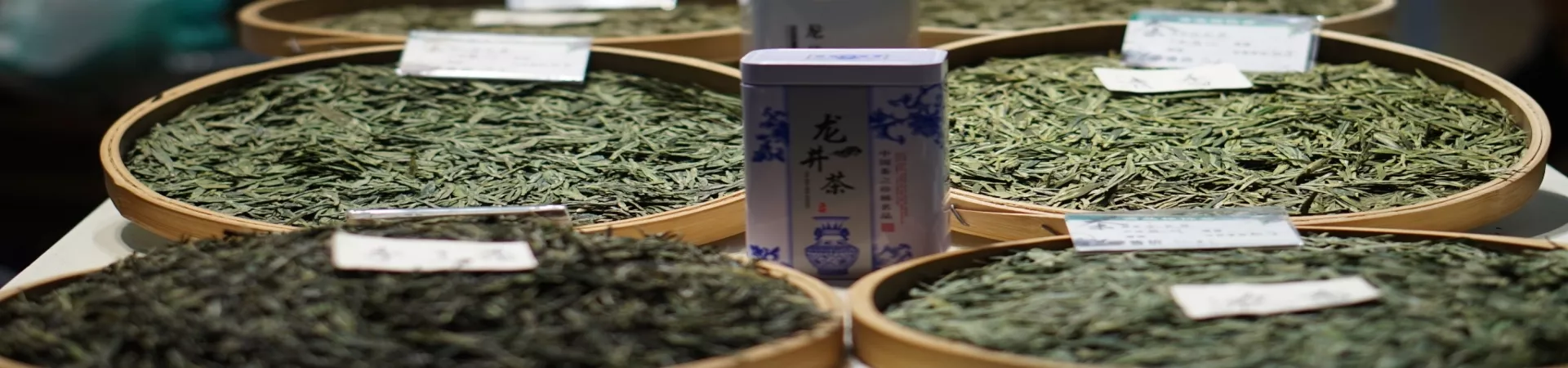
Beyond food, the street is a treasure trove for unique finds. Numerous shops specialize in traditional Chinese arts and crafts: * Antiques and Curios: Vendors sell an array of porcelain, coins, jade, and other collectibles (buyers should exercise discernment regarding authenticity). * Calligraphy and Painting: Shops and stalls display works by local artists, from classic landscape scrolls to modern interpretations. * Traditional Handicrafts: Find exquisite silk products, handmade fans, intricate paper-cuttings, and West Lake parasols, all representing the region's artisanal prowess. * Time-Honored Brands: Several century-old establishments (laozihao) continue to operate here, dealing in traditional Chinese medicines, teas, and silk, offering a direct link to the commerce of old.
Essential Visitor Information
Location: Hefang Street, Shangcheng District, at the foot of Wu Hill, within the Qinghefang historical area. Transportation: The most convenient public access is by bus. Take routes 195 or 8 and alight at the Qinghefang bus stop. The street is a short and pleasant walk from the stop. Opening Hours: The street is accessible to pedestrians 24 hours a day, every day of the year. Individual shop hours typically run from approximately 9:00 AM to 10:00 PM. Admission: There is no entrance fee to access Hefang Street itself. Costs are incurred only for personal purchases, food, and drinks. Suggested Duration: A thorough exploration to fully appreciate the architecture, shop, sample food, and absorb the atmosphere requires 1 to 3 hours. Visitors can easily combine a trip here with a visit to the nearby Wu Hill or West Lake. Contact: For general inquiries, visitors can call +86 571 8692 7218.