Concentration Camp Site of Xifeng
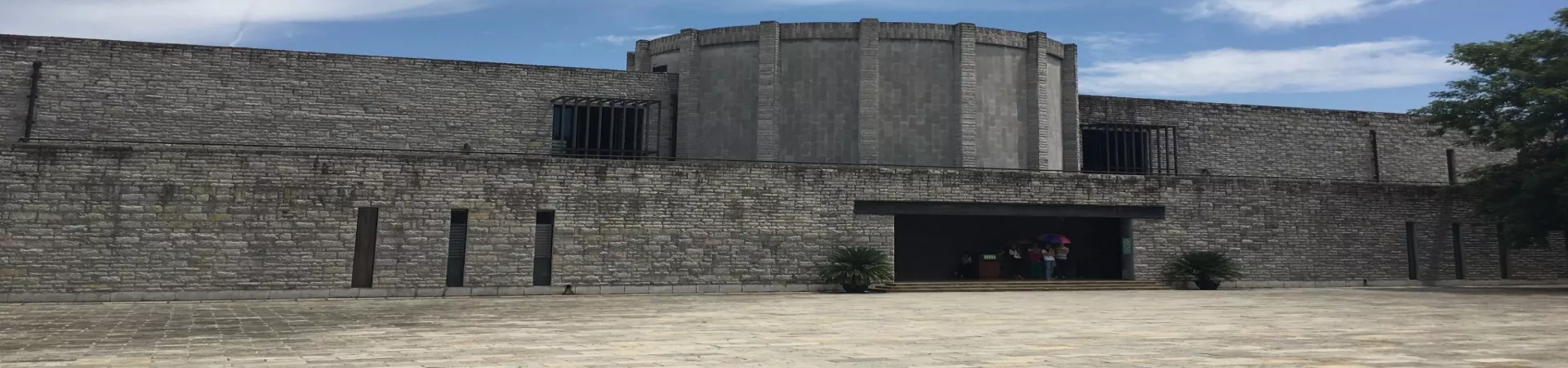
Subtitle: A Journey into the Depths of History: Visiting the Xifeng Concentration Camp Memorial
1. Introduction: The "University" of Darkness
Nestled in the hills of Xifeng County, Guizhou Province, lies a site of profound historical gravity and somber reflection: the Xifeng Concentration Camp旧址. Far from an ordinary prison, this facility was the largest and highest-level secret detention center operated by the Nationalist Government's Military Statistics Bureau (军统局) during the War of Resistance against Japan (World War II). Its infamy within the system was chillingly summarized by its own creators: if the C渣滓洞 prison in Chongqing was considered "elementary school," and the Bai Mansion "high school," then Xifeng was the "university." This grim analogy speaks volumes about its scale, secrecy, and the heightened level of brutality employed within its walls. It served not merely as a place of incarceration but as a central hub for the suppression, interrogation, and persecution of political dissidents, Communists, patriots, and intellectuals deemed threatening by the regime. A visit here is not a light tourist excursion; it is an immersive, and often harrowing, lesson in a pivotal and painful chapter of modern Chinese history.
2. The Camp and Its Inmates: A Chronicle of Captivity
2.1. The Famous and the Forgotten The camp's history is written in the stories of those who suffered within it. Perhaps the most prominent figure was General Yang Hucheng, a key instigator of the Xi'an Incident who, along with his family, endured eight long years of imprisonment here from 1938 to 1946. His confinement symbolizes the camp's role in neutralizing high-profile political opponents. Other notable inmates included "Little Radish Head" (Song Zhenzhong), the young child martyr born in prison who became a symbol of innocence destroyed; Huang Xiansheng, a patriotic general; and the renowned economist and demographer Ma Yinchu. Their presence, alongside hundreds of less-known revolutionaries and patriots, underscores the camp's function in silencing diverse voices of dissent.
2.2. Preservation of Pain: The Physical Remains Today, the site has been preserved as a memorial museum. Several original prison blocks have been restored or reconstructed to depict the appalling conditions of the era. Visitors walk through cramped, dark cell barracks, gaining a visceral sense of the overcrowding and despair. The authenticity is heightened by the display of numerous original instruments of torture—rusting iron chains, sharp bamboo spikes, branding irons, and other gruesome devices. These are not replicas; they are silent, potent witnesses to the suffering that occurred. Additionally, period artifacts like old trucks and motorcycles are preserved, hinting at the camp's operational logistics.
3. The Heart of Darkness: The Cat Cave (猫洞)
3.1. A Natural Chamber of Horrors The most terrifying site within the camp is undoubtedly the Cat Cave (Mao Dong), located halfway up the hillside. This is a natural karst cave, hidden from view, which was repurposed into the camp's primary interrogation and torture chamber. Its geological formation made it uniquely suited for atrocity: the cave's structure effectively contained and muffled sound. No matter how loud the screams of those being tortured, they would not escape to be heard in the camp above. This acoustic isolation allowed for unrestrained brutality.
3.2. A Laboratory for Cruelty The Cat Cave's horror extended beyond routine interrogation. Historical accounts indicate it was also used as a testing ground for newly invented torture devices. The efficacy and severity of these tools were "evaluated" on living victims within this concealed grotto. This fact alone encapsulates the extreme, calculated cruelty that defined the Xifeng Concentration Camp. Visiting the damp, dark confines of the Cat Cave is a profoundly unsettling experience, forcing confrontation with the depths of human inhumanity.
4. Practical Visitor Information
4.1. Location and Transportation The Xifeng Concentration Camp Memorial is located in Xifeng County, approximately 70 kilometers north of Guiyang, the capital of Guizhou Province. The most straightforward public transportation route is to take a long-distance bus from the Guiyang Jinyang Passenger Terminal to the Xifeng County bus station. Buses run frequently from around 7:00 am to 7:30 pm, with a fare of approximately 25 RMB and a journey time of about 1 hour. From Xifeng station, local taxis or minibuses can take you to the memorial site, which is well-known locally.
4.2. Admission and Operations * Admission Fee: Entrance to the memorial site is free of charge. * Guided Tours: For a deeper historical understanding, hiring an on-site讲解员 (commentator/guide) is highly recommended. The fee for their service is around 50 RMB. Their narratives provide crucial context, personal stories, and details that greatly enhance the visit. * Opening Hours: The memorial is open from 8:30 am to 4:30 pm. It is open every day of the week, including Mondays.
4.3. Planning Your Visit * Suggested Duration: Allocate 1 to 3 hours for a thorough visit. This allows time to walk through the exhibition halls, prison blocks, the outdoor areas, and the Cat Cave, and to read informational plaques or listen to a guide without rushing. * Visitor Etiquette: This is foremost a memorial and a place of mourning. Visitors are expected to maintain a respectful and solemn demeanor. Speak quietly, refrain from inappropriate photography (especially smiling or casual photos in sensitive areas like the torture instrument displays or Cat Cave), and follow all on-site guidelines. * Preparation: The site involves some walking, including a climb to the Cat Cave. Wear comfortable shoes. The historical content is heavy and can be emotionally taxing; visitors should be prepared for a sobering experience.
Information last updated: January 2023.