Hongfu Temple
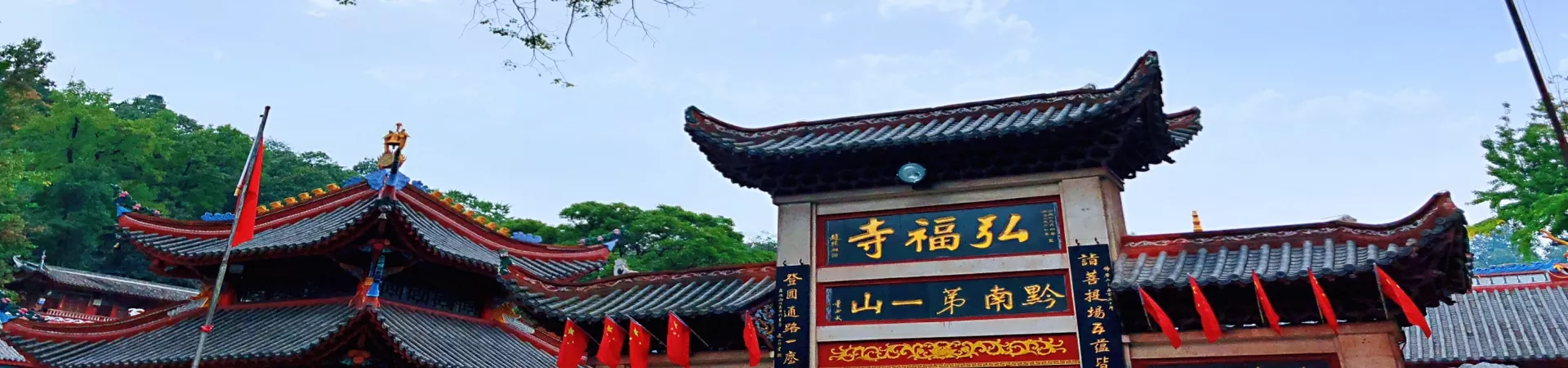
A Visitor's Guide to Hongfu Temple: The Premier Buddhist Sanctuary of Guizhou
Nestled within the verdant embrace of Qianling Mountain in Guiyang, the capital of China's Guizhou Province, Hongfu Temple stands as a serene monument to faith, history, and natural beauty. Founded in 1672 during the reign of Emperor Kangxi of the Qing Dynasty, this temple is not only the most famous Buddhist monastery in Guiyang but also holds the esteemed title of "The Premier Buddhist Temple of Guizhou." For over three centuries, it has been a pivotal center for Buddhist practice and a beacon for pilgrims and travelers seeking spiritual solace and cultural enrichment. Its reputation for efficacious prayers and blessings draws a constant stream of devotees, ensuring the temple grounds are perpetually imbued with the fragrant smoke of incense and a palpable sense of devout tranquility.
The Foundation and Philosophy of Hongfu The temple was established by the venerable monk Chisong, whose vision gave form to this sacred space. The name "Hongfu" itself is deeply meaningful, derived from the phrase: "Hong Fo Da Yuan, Jiu Ren Jiu Shi; Fu Wo Zhong Sheng, Shan Shi Shan Zhong." This translates to "Expanding Buddha's great vow to save people and the world; Bestowing blessings upon all living beings with a virtuous beginning and end." This philosophy of compassion and salvation is woven into the very fabric of the temple's existence. Strategically situated at the heart of the Qianling Mountain peaks, Hongfu Temple may not be vast in size, but it compensates with an impeccably rigorous layout and dignified architecture. Its halls and pavilions, framed by lush greenery, exude an aura of ancient elegance and profound peace, creating a harmonious dialogue between human craftsmanship and nature's artistry.
Architectural Layout and Sacred Atmosphere The temple complex follows a traditional monastic layout, leading visitors on a journey through ascending levels of spiritual contemplation. The entrance, marked by a grand mountain gate, opens into courtyards connecting the main prayer halls. Each structure, from the majestic Mahavira Hall to the tranquil meditation quarters, is built with solemnity and purpose. The interplay of sunlight filtering through ancient trees, the echoing sounds of chanting and temple bells, and the intricate details of Buddhist iconography within the halls collectively foster an environment perfectly suited for reflection and worship.
Historical Treasures and Cultural Relics Hongfu Temple is a living museum, safeguarding numerous historical artifacts that narrate tales of its illustrious past.
The Nine-Bend Path (Jiuqu Jing) and Cliff Carvings: The original approach to the temple, pioneered by Monk Chisong, is a stone path known as the Nine-Bend Path. Lining this scenic route are ancient moya shike (cliff-face stone carvings), featuring inscriptions, poems, and Buddhist sutras left by scholars and monks across dynasties, serving as a tangible chronicle of the temple's cultural significance.
Ancient Buddha Cave (Gufo Dong): This natural cave holds a special place in the temple's history, famously visited by the legendary 17th-century travel writer and geographer Xu Xiake. His documented exploration adds a layer of historical prestige to this serene grotto, which likely served as a meditation site for ascetic monks.
Pagoda Forest for Past Abbots: A site of deep reverence, this forest consists of stupas or pagodas that serve as the final resting places for the temple's successive generations of abbots. Each structure, varying in style and size, honors the legacy and spiritual contributions of these esteemed leaders.
The Ming Dynasty Bronze Bell: Housed within the temple's bell tower is a remarkable cultural relic—a massive bronze bell weighing over 1,500 kilograms (approximately 3,300 pounds). Cast in the fifth year of the Chenghua era of the Ming Dynasty (1469 AD), it originally resided in the Daxing Temple within Guiyang city before being moved to Hongfu Temple in 1980. Its deep, resonant toll during ceremonies connects the present moment with centuries of history.
Literary and Artistic Heritage The temple's walls and stele galleries are adorned with a rich collection of calligraphy and poetry, transforming it into a gallery of classical Chinese art.
Inscriptions by Prominent Figures: Above the main gate, the calligraphy for the temple's name "弘福寺" and the Buddhist invocation "南无阿弥陀佛" were penned by Zhao Puchu, the late president of the Chinese Buddhist Association. Another notable inscription, "黔南第一山" (The Premier Mountain of Southern Guizhou), was authored by Dong Biwu, the former Vice Chairman of China. These inscriptions attest to the temple's high cultural and spiritual stature.
Monument to Monk Chisong and Poetry Stele Corridor: A dedicated monument honors the founding monk, Chisong. Furthermore, a corridor of stone steles preserves poems and inscriptions by other modern Chinese luminaries, including Zhu De (a founding father of the People's Liberation Army), further enriching the temple's literary tapestry.
Visitor Information * Location: Qianling Mountain, Yunyan District, Guiyang City, Guizhou Province. * Opening Hours: 6:30 AM - 6:00 PM, daily throughout the year. * Admission Fee: A nominal fee of 2 RMB is required for entry into the temple grounds. (Note: This is often separate from the entrance fee to Qianling Mountain Park). * Suggested Visit Duration: 1 to 3 hours, allowing ample time to explore the temple complex, appreciate its relics, and soak in the tranquil atmosphere. * Contact: +86-851-86825606
A visit to Hongfu Temple is more than a tourist stop; it is an immersive experience that blends spiritual inquiry with historical exploration amidst one of Guiyang's most beautiful natural landscapes. It offers a profound glimpse into the enduring Buddhist heritage of southwestern China.