Gui Zhou Provincial Museum
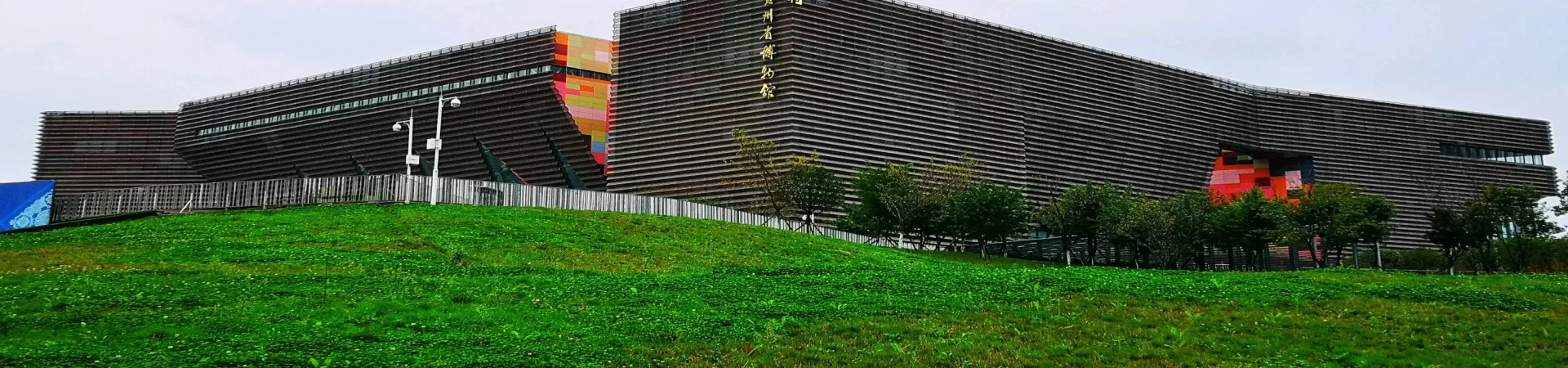
Subtitle: A Journey Through Time and Culture in Guizhou's Premier Museum
1. Introduction Nestled in the heart of Guiyang's modern Guanshanhu District, the Guizhou Provincial Museum stands as a monumental gateway to understanding the rich tapestry of natural history, diverse ethnic cultures, and profound historical narratives of Guizhou Province. Representing a significant cultural investment of nearly 600 million RMB, its strategic location opposite the Guiyang International Conference and Exhibition Center and the Guiyang Urban Planning Exhibition Hall creates a harmonious architectural ensemble that symbolizes the city's blend of contemporary vision and deep-rooted heritage. More than just a repository of artifacts, the museum is a dynamic cultural complex designed to educate, inspire, and engage visitors through a multifaceted experience.
2. Architectural Layout and Functional Zones The museum's modern and expansive structure is intelligently divided into three primary sections, each serving a distinct purpose to facilitate both seamless public exploration and efficient museum operations.
2.1. The Eastern Public Service Zone This area is dedicated to public engagement and special programming. It houses facilities for temporary exhibitions, which showcase rotating themes from across China and the world. A dedicated space for intangible cultural heritage (ICH) performances brings traditional music, dance, and crafts to life. Additionally, this zone features galleries for photography and calligraphy/painting exhibitions, a 4D cinema for immersive educational films, a Digital Experience Hall specifically designed for younger audiences, and well-equipped classrooms and conference rooms for lectures, workshops, and academic exchanges.
2.2. The Central Core Exhibition Zone The heart of the museum, this zone contains the permanent exhibitions that form the essential narrative of Guizhou. The layout is designed for a logical and enriching visitor journey: * First and Second Floors: "Ethnic Guizhou" Exhibition. This is the museum's flagship presentation, offering a deep dive into the vibrant cultures of Guizhou's minority groups, most notably the Miao, Dong, Buyi, and Shui peoples. It showcases exquisite textiles, silverwork, architectural models, and dioramas depicting daily life and festivals. * Third Floor: "Historical Guizhou" Exhibition. This exhibition chronicles the region's long history from ancient times through to the modern era. It features archaeological discoveries, historical documents, and artifacts that trace the development of civilization in this southwestern Chinese province.
Beyond the galleries, this central zone also accommodates the grand entrance lobby, visitor services, a restaurant, and secure storage for the museum's vast collections.
2.3. The Western Administrative Zone This section is reserved for the museum's staff, containing offices, research facilities, conservation laboratories, and management departments that support the institution's daily functions and long-term scholarly work.
3. Collection Highlights With a collection exceeding 80,000 objects amassed over nearly six decades, the Guizhou Provincial Museum possesses treasures of national and international significance.
3.1. Unrivaled Ethnic Collections The museum's most celebrated strength lies in its unparalleled assemblage of ethnic cultural relics, which is considered unique in China. The cornerstone of this collection is its world-class holdings of Miao ethnic attire and adornments. * The Miao Clothing Collection: Recognized as the largest and most comprehensive in the country, it features an astounding array of traditional costumes from different Miao branches. Each garment is a masterpiece of textile art, featuring intricate embroidery, batik (wax-resist dyeing), and weaving techniques that carry deep symbolic meaning. * The Miao Silver Jewelry Collection: Also ranked first nationally, this collection showcases breathtaking silver crowns, necklaces, bracelets, and hairpins. The elaborate craftsmanship reflects not only aesthetic values but also social status, wealth, and cultural identity within Miao communities.
3.2. Other Significant Holdings * Paleontological Fossils: The museum holds important fossils discovered in Guizhou, offering insights into the prehistoric life that once inhabited the region. * Paleolithic Artifacts: Stone tools and other relics from the Old Stone Age provide evidence of early human activity in Guizhou. * Diverse Historical and Cultural Artifacts: A wide range of items, including ancient ceramics, bronze drums, religious objects, and historical documents, collectively illustrate the complex social history, artistic achievements, and cultural diversity of Guizhou throughout the ages.
4. Practical Visitor Information
4.1. Admission and Opening Hours * Admission: General entry to the museum is free of charge throughout the year. However, please note that access to certain special temporary exhibitions, the 4D cinema, or specific cultural performances within the museum may require a separate ticket fee. * Opening Hours: The museum is open from 9:00 AM to 5:00 PM, with the last admission at 4:00 PM. It is closed every Monday (except for public holidays that fall on a Monday, in which case it will be closed the following Tuesday). These hours apply year-round.
4.2. Location and Transportation The museum is situated on the north side of the middle section of Lincheng East Road in Guanshanhu District, Guiyang. * By Bus: Multiple bus lines stop nearby. Visitors can take bus numbers 111, 208, 209, 218, 263, 280, 281, 290, 29, 48, 58, 60, or 702 and alight at the "International Conference Center North Station" (国际会议中心北站). The museum is a short walk from the bus stop.
4.3. Suggested Visit Duration To fully appreciate the permanent exhibitions and explore the public service zones at a comfortable pace, a minimum visit of 3 hours is recommended. Visitors with a deep interest in ethnic cultures or history may wish to allocate more time.
4.4. Contact Information * Telephone: 0851-84811809