Yuehui Garden
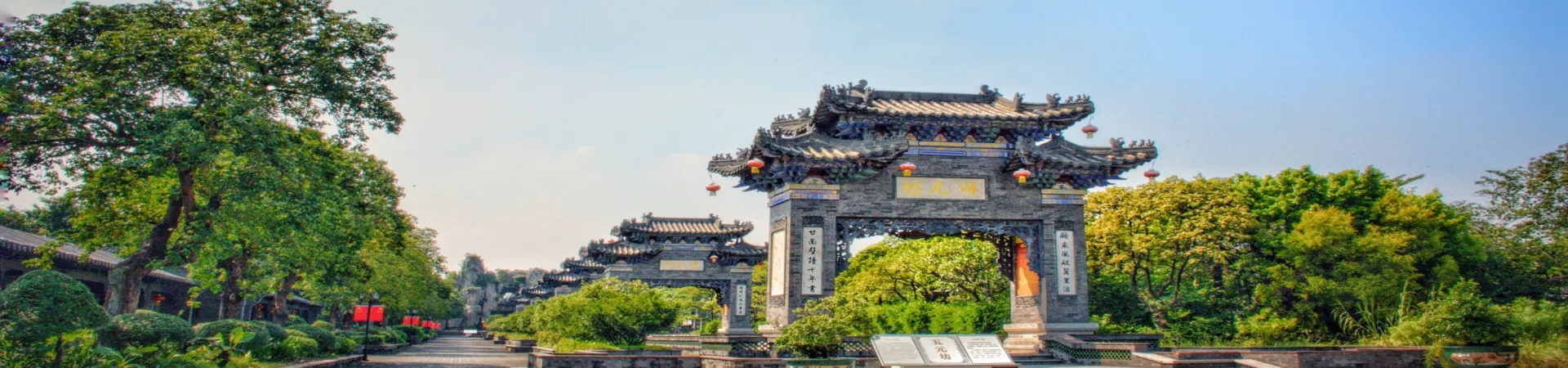
Subtitle: A Journey Through the Grandeur of Traditional Lingnan Garden Art
1. Introduction to Yuehui Garden
Nestled in the vibrant city of Dongguan, Guangdong Province, Yuehui Garden stands as a monumental testament to classical Chinese landscape architecture and the rich cultural heritage of the Lingnan region. Recognized as the largest private classical garden in contemporary China, it transcends the mere concept of a park to become a living museum, a serene oasis where the profound philosophies of traditional Chinese garden design harmoniously intertwine with modern aesthetic sensibilities. The garden is a masterful composition of natural elements and human artistry, designed not just for visual pleasure but to evoke a sense of poetic wandering and spiritual tranquility. Every pathway, structure, and vista is imbued with intention, inviting visitors on a contemplative journey through a meticulously crafted landscape that tells stories of history, art, and harmony between humanity and nature.
2. Exploring the Garden's Layout and Artistic Conception
The genius of Yuehui Garden lies in its foundational design principle centered on water. The entire layout is orchestrated around an intricate, meandering network of waterways.
2.1. The Central Role of Waterways A defining feature, the garden's canals and ponds form its lifeblood and structural backbone. These waterways curl and flow gracefully throughout the grounds, acting as the primary connective tissue that links the garden's numerous scenic spots. This design creates a dynamic visual and experiential flow, perfectly embodying the ancient Chinese gardening adage: "Water circulates with the garden, and the garden is vivified by the water." A boat ride along these tranquil channels offers a unique, ever-changing perspective of the landscape, revealing hidden courtyards, elegant bridges, and reflective pavilions from the most picturesque angles.
2.2. The Philosophy of "Wandering and Discovering" The garden is meticulously designed for exploration on foot. A network of winding paths, secluded corridors, and sudden openings adheres to the classic principle of "a winding path leading to a serene view" and "the scenery transforming with every step." This intentional design ensures that no single viewpoint can capture the entirety of a scene, encouraging visitors to move deeper into the garden. Each turn presents a new, carefully framed composition—a glimpse of a distant pagoda through willow branches, a stone bridge arching over lotus leaves, or a moon gate framing a miniature rockery. This sequential revelation of beauty creates a sense of endless discovery and quiet drama.
3. Architectural and Scenic Highlights
Yuehui Garden boasts an impressive collection of 108 distinct scenic spots and architectural wonders, each contributing to the garden's narrative and aesthetic whole. These structures are not mere decorations but integral components of the landscape.
3.1. Diversity of Structures The architectural repertoire is vast and symbolic, including: * Louguan (Multi-story Buildings): Offering elevated vantage points for panoramic views. * Tingtai (Pavilions and Terraces): Providing intimate spaces for rest and contemplation, often perched beside water or nestled among rocks. * Shuixie (Waterside Pavilions): Structures built partially over water, blending architecture with liquid reflection and cooling breezes. * Qulang (Winding Corridors): These covered walkways, sometimes open, sometimes walled with decorative windows, guide movement while sheltering visitors from sun and rain. They often feature calligraphic inscriptions or painted scenes, deepening the cultural atmosphere. * Shiqiao (Stone Bridges): Ranging from simple, elegant slabs to ornate multi-arched bridges, they connect pathways and create charming reflections.
3.2. The Art of the Artificial Mountain No Chinese garden is complete without its Jia Shan (Artificial Rockeries). In Yuehui Garden, these sculptural formations of weathered rocks and stones are central artistic elements. They represent miniature mountain ranges, embodying the Taoist ideal of seeking immortality in mystical peaks. Their rugged textures, caves, and peaks provide scale, contrast, and a sense of ancient, enduring nature within the cultivated landscape. They serve as focal points, backdrops, and secluded grottos for quiet reflection.
4. Practical Visitor Information
To facilitate a smooth and enjoyable visit, please note the following essential details:
4.1. Ticket Information * Standard Admission: 60 RMB per adult (valid year-round, Monday through Sunday). * Free Admission Policy: Children under 1.2 meters in height (not inclusive). Professional journalists and tour guides holding valid official identification cards are also eligible for free entry.
4.2. Operating Hours * The garden is open daily from 8:00 AM to 6:00 PM. * The last admission is strictly at 5:30 PM. Visitors are advised to plan their arrival accordingly to ensure ample time for exploration.
4.3. Transportation Guide The most convenient public transportation option is by bus. Visitors can take bus routes 602 or 622 and alight at the "Yuehui Yuan (Yuehui Garden) Bus Stop." The garden entrance is within a short and accessible walking distance from the bus stop. For those traveling by private car or taxi, the garden is well-signposted within Dongguan.