Opium War Museum
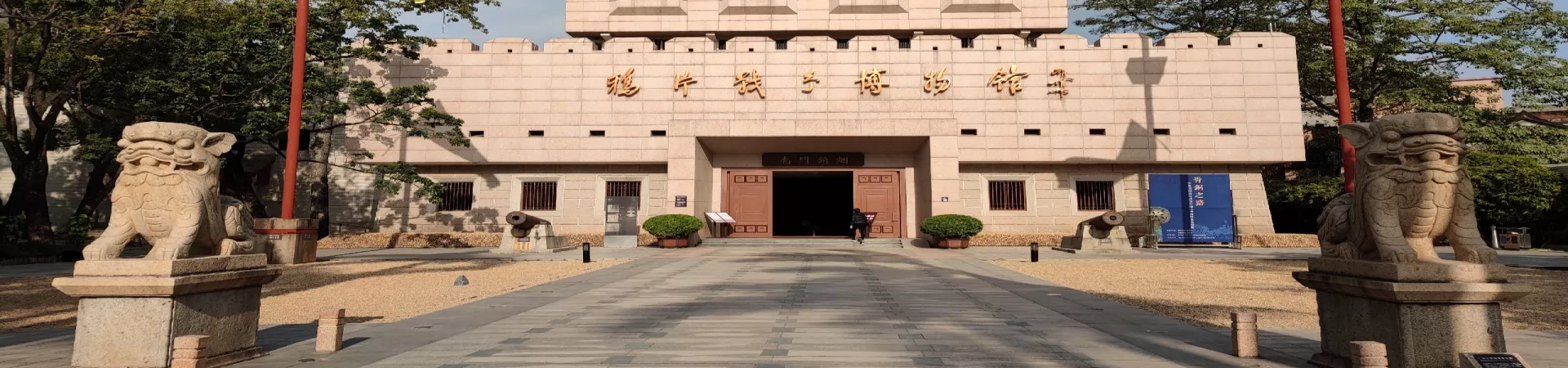
Subtitle: A Journey Through History at the Opium War Museum in Dongguan
Introduction Nestled in the southern part of Kou Village, Humen Town, Dongguan, the Opium War Museum stands on a site of profound historical significance—the very grounds where pivotal battles of the First Opium War (1839–1842) unfolded. Flanked by the Niubeiji Mountain to the east and facing the Pearl River Estuary to the west, this specialized museum is dedicated to collecting, exhibiting, and researching historical artifacts and documents related to Lin Zexu’s prohibition of opium and the Opium War itself. More than just a repository of relics, the museum serves as a solemn memorial and an educational beacon, inviting visitors to explore a critical chapter in modern Chinese history that reshaped the nation’s trajectory and its relations with the world.
Location and Historical Context Geographical Setting The museum’s location in Humen, Dongguan, is strategically and historically resonant. Humen, often referred to as the "Guardian of the South China Sea," was a key maritime defense point during the Qing Dynasty. The area’s proximity to the Pearl River Estuary made it a focal point for trade, conflict, and cultural exchange. The museum itself is situated on the former battlefield, offering a tangible connection to the past. The surrounding landscape, with Niubeiji Mountain providing a natural backdrop and the vast estuary stretching westward, echoes the geographical conditions that influenced military strategies during the war.
Historical Significance of the Site This ground witnessed the outbreak of the First Opium War, a conflict ignited by the Qing government’s efforts to suppress the illegal opium trade led by British merchants. Key events, such as the destruction of confiscated opium by Imperial Commissioner Lin Zexu at Humen Beach in 1839 and subsequent naval clashes, occurred here. The museum’s placement on this historic site transforms a visit into an immersive experience, allowing guests to reflect on the tensions between imperial sovereignty, foreign intervention, and social upheaval that defined the era.
Museum Collections and Exhibitions Permanent Exhibits and Core Themes The museum’s core exhibitions are meticulously curated to guide visitors through the complex narrative of the Opium War. The displays are organized chronologically and thematically, beginning with the background of opium’s introduction into China and its devastating social and economic impacts. A significant portion is devoted to Lin Zexu, the principled Qing official who spearheaded the anti-opium campaign. Artifacts on display include his personal effects, official documents, and vivid depictions of the opium destruction at Humen.
Key Artifacts and Historical Documents The collection features an array of original items that bring history to life: weapons such as cannons, muskets, and swords used by both Qing and British forces; naval models illustrating ship designs and battle formations; opium paraphernalia like pipes and scales, highlighting the trade’s grim reality; and archival materials, including treaties, diplomatic correspondence, and historical maps. These artifacts are complemented by detailed explanations, multimedia presentations, and dioramas that reconstruct key scenes, such as the Battle of Humen, offering a multi-sensory understanding of the conflict.
Research and Educational Mission Beyond exhibition, the museum functions as an active research institution. Scholars and historians utilize its archives to study the Opium War’s causes, consequences, and legacy. The museum also emphasizes public education, offering lectures, seminars, and interactive programs designed to foster a deeper appreciation of this historical period, particularly among younger generations.
Visitor Information and Practical Details Opening Hours and Admission The museum is open year-round, with operating hours from 09:00 to 17:00 daily. Last admission is at 16:45. Admission is free of charge, making it an accessible destination for all visitors. It is advisable to check the official website or contact the museum for any updates regarding opening times or special events.
Getting to the Museum By Public Transport: The museum is accessible via public bus. Visitors can take bus route 262 or the special Opium War Museum Holiday Line and alight at Zexu Park Station. From there, it is a short and straightforward walk to the museum entrance.
Suggested Duration of Visit A comprehensive visit typically requires between one to three hours, depending on one’s level of interest in the exhibits. The layout is designed for a self-paced exploration, allowing guests to spend more time on sections that particularly resonate with them.
Contact Information For inquiries, visitors can contact the museum at: 0769-85527765.
The Visitor Experience Architectural Design and Atmosphere The museum’s architecture subtly blends modern design elements with traditional motifs, creating a space that feels both contemplative and informative. The use of open spaces, natural light, and strategic viewing points towards the estuary enhances the reflective atmosphere. The overall ambiance is one of solemnity and respect, encouraging quiet contemplation of the historical lessons embodied here.
On-Site Reflection and Learning A visit culminates not just in acquired knowledge but in a prompted reflection on broader themes of national resilience, the costs of conflict, and the importance of historical memory. The museum does not merely present facts; it encourages visitors to consider the human stories behind the artifacts and the enduring relevance of this history in today’s global context.