Former Site of Lin Zexu's destructed opium Pool
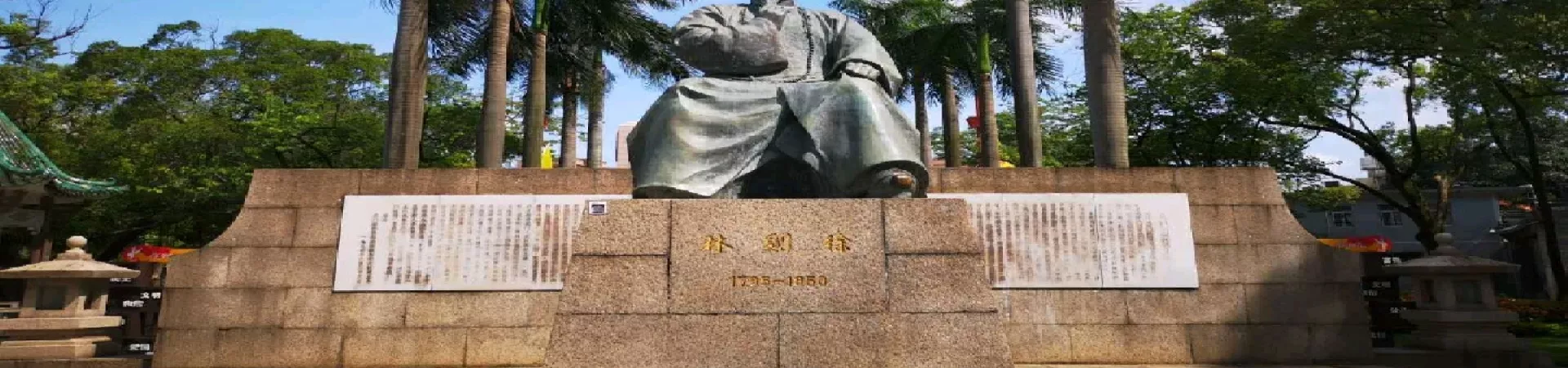
Subtitle: A Journey Through Time at the Humen Opium Destruction Pools and Museum
Introduction: The Scene of a Defining Historical Moment
Nestled in Taiping Town, Dongguan City, Guangdong Province, lies a site of profound historical significance: the Humen Opium Destruction Pools. This location, where the Pearl River meets the foothills of Niubei Mountain and near the historic town pass of Zhenkou, was the stage for one of the most pivotal events leading to the First Opium War. More than just a historical relic, it is a poignant memorial and an educational center, brought to life by the adjacent Opium War Museum. The site is anchored by a monument commemorating the local Humen people's resistance against British aggression, setting the tone for a visit that is both reflective and illuminating.
The Historical Context: The Scourge of Opium and Imperial Response
1. The Opium Crisis of the 1830s In the early 19th century, the southern coasts of China, including areas like Guangdong, faced a severe and growing threat. British and Portuguese merchants, engaged in armed smuggling, flooded the region with opium. This illegal trade had devastating dual consequences: it severely harmed the health and social fabric of the Chinese people through widespread addiction, while simultaneously draining vast quantities of silver from the Chinese economy, leading to national impoverishment and instability.
2. Lin Zexu's Mission and the Great Confiscation Alarmed by this crisis, the Daoguang Emperor of the Qing Dynasty endorsed the vigorous anti-opium policies advocated by Imperial Commissioner Lin Zexu. In 1839, Lin Zexu was dispatched to Guangzhou with a clear mandate: to eradicate the opium trade. Through resolute diplomacy and pressure, he successfully compelled foreign merchants to surrender their illicit stocks. The result was the confiscation of over 20,000 chests of opium, weighing approximately 1,175 tons, which were transported to Humen for destruction.
The Ingenious Destruction Process: Engineering an End to Opium
1. Design and Construction of the Pools To ensure the complete and irreversible destruction of this massive opium haul, Commissioner Lin Zexu oversaw the construction of two specially designed ponds. Each pool was roughly 45 meters square. Their engineering was meticulous: the bases were paved with stone slabs, the sides were lined with wooden planks secured by pilings, and a water channel was dug behind them. Each pool featured a drainage hole, crucial for the final stage of the process.
2. The Chemical Destruction Method The destruction, which took place from June 3 to June 25, 1839, was a public and methodical spectacle. The process began by filling the pools with water and adding salt to create a concentrated brine. The opium, divided into batches, was then thrown into the brine to dissolve. Subsequently, workers added large quantities of fresh quicklime (calcium oxide). The chemical reaction between the lime and water generated immense heat, causing the mixture to boil and erupt, thoroughly decomposing the active components of the opium. After the reaction subsided, the sludgy, harmless residue was flushed through the drainage holes directly into the Pearl River, carried away by the tidal currents, leaving "not a drop behind."
The Museum: Preserving and Narrating the Legacy
1. Immersive Historical Exhibition Adjacent to the preserved sites of the destruction pools stands the Opium War Museum. It serves as a vital custodian of this history, employing a powerful array of exhibits to transport visitors back to the 1840s. Its collection includes 141 physical artifacts, 130 historical photographs, 19 charts, 12 large-scale oil paintings, and 3 major dioramas. Together, these elements vividly reconstruct the tense atmosphere, the key battles, and the broader context of the Opium War, offering a multi-sensory understanding of this conflict that reshaped China's modern history.
2. Key Artifacts and Relics Among the most direct links to the 1839 event are the actual relics from the destruction process. The original stone slabs (pool linings) and wooden pilings used in the construction of the opium dissolution ponds are preserved and displayed within the museum. These tangible objects provide a powerful, physical connection to Lin Zexu's decisive action.
Visitor Information
Location and Access The Humen Opium Destruction Pools and Museum are located in Taiping Town, Humen District, Dongguan City. It is easily accessible by public transport or private vehicle.
Operating Details * Opening Hours: 8:30 AM - 5:30 PM daily. Last admission is at 5:00 PM. * Admission: Free of charge. * Suggested Visit Duration: Approximately 1 to 3 hours to fully explore the outdoor historical site and the museum exhibitions. * Contact Information: For the latest information, visitors can contact +86-769-85512065 or +86-769-85505670.
Please note: All practical information (hours, fees, etc.) is subject to change. It is advisable to verify details through official channels prior to your visit.