Island Jinshan Temple
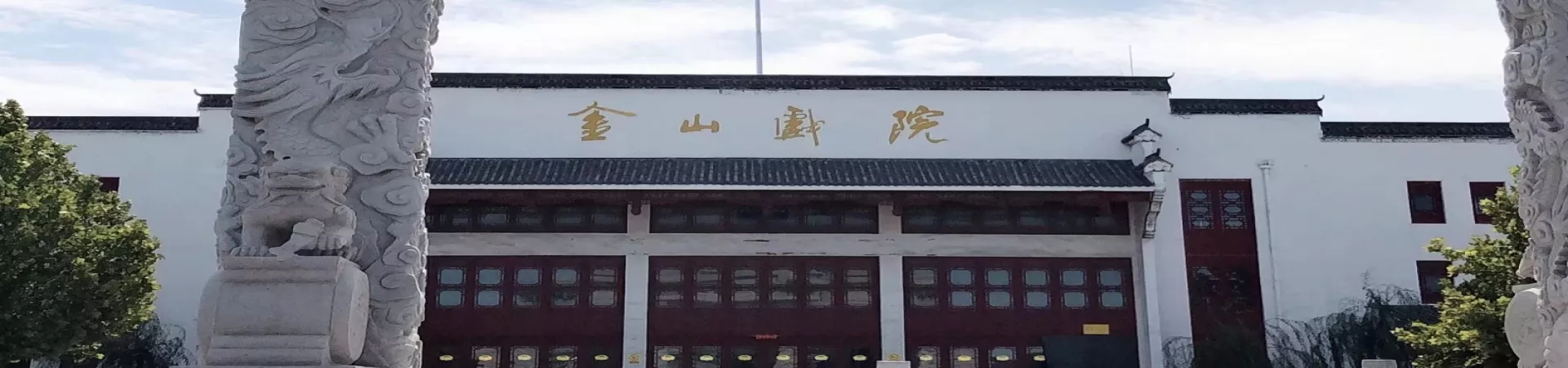
A Visitor's Guide to Golden Mountain Temple on Hailing Island, Dezhou, China
Nestled on the scenic Hailing Island in Dezhou, China, the Golden Mountain Temple (Jinshan Si) stands as a profound testament to the deep interweaving of Buddhist culture, historical legend, and natural beauty. More than just a temple, it is a cultural destination where spirituality meets folklore against the backdrop of the Bohai Sea. This guide provides an in-depth look to help you plan a meaningful and enriching visit.
The Legend and Historical Significance
A Temple Born from Folklore The very foundation of the Golden Mountain Temple is steeped in one of China's most beloved legends, the Journey to the West. It is famously regarded as the site where the Tang Dynasty monk Xuanzang—the historical inspiration for the fictional character Tripitaka—was rescued as an infant from the river. This pivotal event, orchestrated by the temple's abbot, sets the stage for his destined journey to the west to obtain sacred Buddhist scriptures. This connection transforms the temple grounds from mere architecture into a narrative landscape, where every hall and courtyard echoes a chapter of this epic tale.
Architectural Harmony and Spiritual Layout The temple complex is a magnificent example of classical Chinese Buddhist temple architecture, designed to facilitate a journey of spiritual ascent and contemplation. Built along the ascending slopes of a hill, the layout symbolizes the path towards enlightenment. Visitors typically begin at the majestic Heavenly Kings Hall (Tianwang Dian), guarded by the formidable Four Heavenly Kings, before progressing to the heart of the complex, the Great Buddha's Hall (Daxiong Baodian). This main hall houses solemn statues of the Buddhas, serving as the focal point for prayer and reverence. The journey upwards continues through halls dedicated to various bodhisattvas, culminating at the Pagoda, which offers a serene vantage point and represents the pinnacle of spiritual pursuit.
A Detailed Visitor Experience
Navigating the Temple Complex A visit to the Golden Mountain Temple is best experienced as a gradual pilgrimage. Start at the entrance gates, which immediately immerse you in an atmosphere of tranquility, distinct from the island's coastal bustle. The path leads you through a sequence of courtyards and halls, each with its own purpose and deity. Pay close attention to the intricate wood carvings, colorful murals depicting scenes from Buddhist lore and Journey to the West, and the elegant roof ornaments. The Bell and Drum Towers, standing symmetrically, speak to the ancient monastic rhythm of life. The climb to the higher terraces is rewarded with not only spiritual reflection but also increasingly beautiful views of the temple's sweeping roofs against the sky and sea.
Cultural Immersion and Key Highlights Beyond its architectural splendor, the temple offers rich cultural touchpoints:
- The Xuanzang Memorial Hall: This dedicated space chronicles the life and monumental journey of the revered monk, blending historical facts with the legendary tales that immortalized him.
- The Buddhist Scriptures Depository: A site of great reverence, it symbolizes the ultimate goal of Xuanzang's travels—the acquisition and preservation of sacred knowledge.
- Natural Integration: The temple's design brilliantly incorporates the natural elements of Hailing Island. The sea breeze, the sound of waves, and the surrounding greenery are all part of the sensory experience, creating a unique "seaside sanctuary" feel rarely found in inland temples.
Essential Practical Information for Your Visit
To ensure a smooth and respectful visit, please note the following practical details.
Admission and Tickets
- Important Note: The ticketing policy for Golden Mountain Temple is subject to change. It is highly recommended that visitors check the latest admission fees and any available discounts (for students, seniors, groups, etc.) directly with the scenic area prior to their visit. Contact information can usually be found on official tourism websites or local travel platforms.
Operating Hours
- The temple is open to the public daily from 8:30 AM to 4:00 PM.
- The last admission is strictly at 4:00 PM. To fully appreciate the complex without rush, it is advisable to arrive at least 2-3 hours before the closing time.
- These hours are generally consistent throughout the year, but special events or Buddhist holidays may occasionally affect the schedule.
Visitor Etiquette and Tips
- Dress Code: As an active place of worship, modest attire is expected. Shoulders and knees should be covered as a sign of respect.
- Conduct: Maintain a quiet and respectful demeanor within the hallways and prayer halls. Avoid pointing feet at Buddha statues or religious objects, and follow any posted guidelines regarding photography (flash photography is often prohibited inside halls).
- Best Time to Visit: Spring and autumn offer the most pleasant weather on Hailing Island. Early mornings on weekdays tend to be less crowded, providing a more peaceful experience.
- Combining Your Trip: Effectively integrate your temple visit with other attractions on Hailing Island, such as its beaches, seafood markets, and other natural sites, to create a well-rounded coastal cultural itinerary.