Dezhou Museum
A Comprehensive Guide to Dezhou Museum: Unveiling the Soul of Shandong's Northern Gateway
Nestled within the Cultural and Sports Center on Dongfanghong East Road, the Dezhou Museum stands as a modern custodian of the region's profound and layered history. Officially inaugurated on August 8, 2012, this architectural landmark spans an impressive 72 acres, with a main building covering 21,000 square meters, of which 7,785 square meters are dedicated to exhibition spaces. It is more than just a repository of artifacts; it is a dynamic cultural portal designed to guide visitors through millennia of civilization, artistic achievement, and local memory in one of Shandong Province's key northern cities.
Planning Your Visit: Essential Information
- Admission: Entry to the Dezhou Museum is complimentary. Visitors can obtain a ticket free of charge by presenting a valid identification document, such as an ID card, driver's license, student card, or passport.
- Opening Hours: The museum is open from 9:00 AM to 4:30 PM, Tuesday through Sunday, throughout the year. Last admission is at 4:00 PM. Please note that the museum is closed to the public on Mondays.
- Suggested Duration: To fully appreciate the breadth and depth of the collections and exhibitions, a visit of approximately 1 to 3 hours is recommended.
Architectural Layout and Functional Zones
The museum's design thoughtfully integrates public engagement with scholarly functions. The facility is systematically divided into several key areas to enhance the visitor experience and support its curatorial mission. The public spaces begin with a welcoming Grand Lobby, which sets the stage for the journey ahead. For specialized viewing, the museum houses two Temporary Exhibition Halls, which host rotating displays on diverse themes, and a 3D Theater, offering immersive audiovisual experiences. Academic pursuits are catered to with a dedicated Lecture Hall. Throughout, Public Rest Areas provide spaces for reflection and respite. Behind the scenes, a secure Collection Storage area, Conservation Laboratories, and administrative offices work in concert to preserve and study the museum's holdings.
The Core Exhibition: A Trilogy of Cultural Revelation
The heart of the Dezhou Museum lies in its three permanent exhibition halls. Each is organized around a distinct, evocative theme, working together to form a cohesive and comprehensive narrative of the region, from its ancient origins to its recent past.
Hall 1: Historical Footprints
This hall serves as the chronological backbone of the museum. "Historical Footprints" undertakes a grand, longitudinal sweep through the pivotal eras that have shaped Dezhou. The narrative begins with evidence of early human activity and progresses through its significant role in various dynasties, including the Qi and Han periods, its strategic importance along the Grand Canal, and its development in more recent centuries. The exhibition utilizes a mix of archaeological findings, detailed historical maps, textual records, and reconstructive models to chart the political, economic, and social evolution of the Dezhou area, contextualizing it within the broader tapestry of Chinese history.
Hall 2: Treasures of Civilization
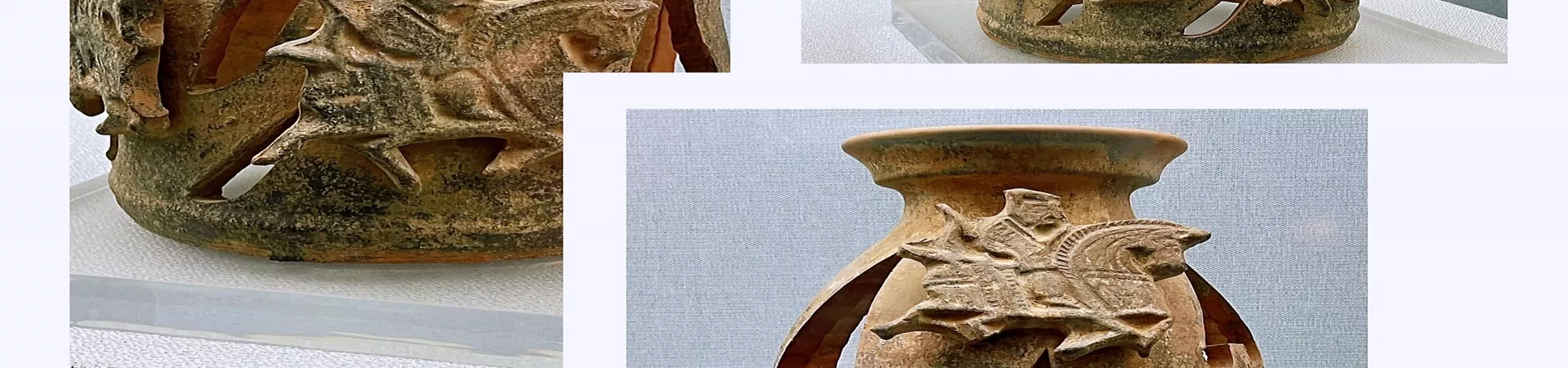
If "Historical Footprints" outlines the story, "Treasures of Civilization" provides its most exquisite punctuation marks. This hall is dedicated to the display of the museum's most significant and aesthetically remarkable artifacts. Here, visitors encounter the tangible masterpieces of local craftsmanship and artistry across ages. The collection typically features fine Neolithic pottery, intricate bronze ritual vessels from the Shang and Zhou dynasties, elegant Han dynasty jades and ceramics, and precious metalwork. Each piece is presented not only for its beauty but also as a key to understanding technological advancement, religious practices, and the daily life of the elite, offering a concentrated view of the region's artistic and material sophistication.
Hall 3: Memories of the City
This final permanent hall offers a poignant and vivid dive into the more immediate past, focusing on the intangible cultural heritage and folk traditions that define Dezhou's unique character. "Memories of the City" recreates scenes of urban and rural life from the late Qing dynasty through the Republican era and into the 20th century. Through detailed dioramas, historical photographs, period furnishings, and reconstructions of shopfronts and workshops, the exhibition brings to life the bustling commerce along the canals, traditional festivals, local operatic forms like Dezhou Bangzi, and the everyday customs of its people. It captures the spirit, struggles, and celebrations of the community, preserving the living memory of the city's cultural fabric.
Together, these three core halls fulfill the museum's stated mission of "reviewing the historical context, displaying cultural relics, and recreating cultural heritage and folk customs." They transform the Dezhou Museum from a simple gallery into a profound educational encounter. A visit here is an invitation to walk through time, to admire the pinnacle of ancient craftsmanship, and to connect with the enduring spirit of a city that has long been a vital crossroads in China's historical landscape. The museum does not merely display objects; it weaves the many threads of history, art, and collective memory into the rich, enduring story of Dezhou itself.