Debai Tourism Town Shuxian Village
Subtitle: A Journey Through Time and Taste in the Mulberry Immortal Village
1. Introduction: The Allure of Dezhou's Hidden Gem Nestled within the innovative DeBai Tourism Town in Dezhou, Shandong Province, the Mulberry Immortal Village (Shenxian Cun) offers a unique escape that masterfully blends deep cultural heritage with serene natural beauty and immersive recreational experiences. Far from a conventional tourist spot, it is a carefully crafted landscape where history feels palpably alive, and the pace of modern life gently slows. The village draws its name and essence from the region's ancient association with mulberry cultivation and silkworm rearing, traditions that have shaped local life for centuries. It invites visitors to step into a world that celebrates the harmony between humankind and nature, the wisdom of ancient crafts, and the simple, profound pleasures of pastoral life. With operating hours from 9:00 AM to 9:00 PM daily (last entry at 8:00 PM), it provides a full day's canvas upon which to paint a memorable journey of discovery, relaxation, and sensory delight.
2. Thematic Zones and Immersive Experiences
2.1. The Historical and Cultural Core At the heart of the Mulberry Immortal Village lies its commitment to preserving and animating local history. This is not a museum with static displays, but a living tableau.
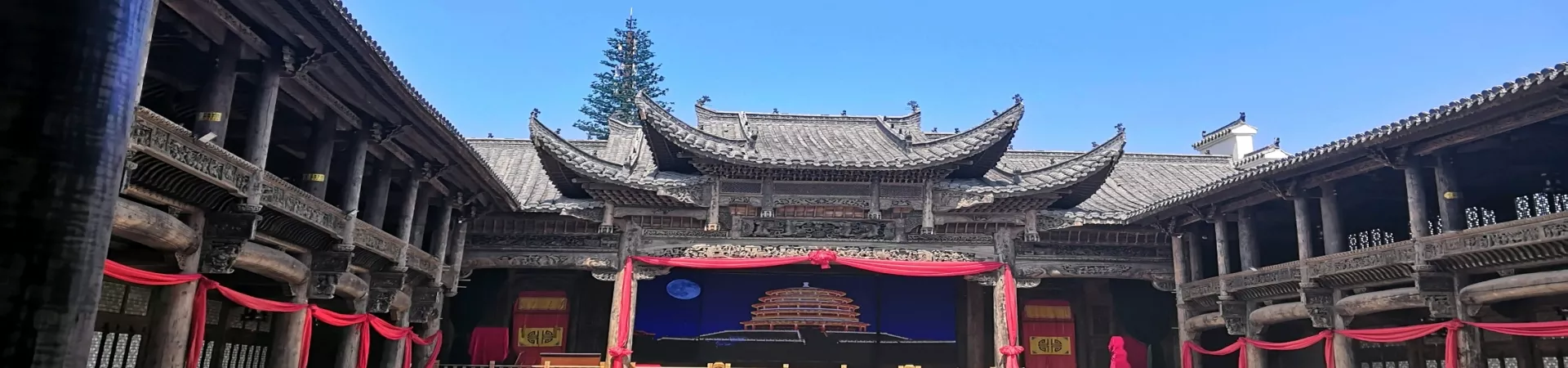
- 2.1.1. Ancient Architectural Complex: Stroll along cobblestone paths flanked by traditional Northern Chinese courtyard houses (siheyuan), ancient-style workshops, and elegant pavilions. The architecture, utilizing aged bricks, wood, and tiles, immediately transports visitors to a bygone era. Key structures often house cultural exhibitions detailing the history of Dezhou, the Silk Road's influence on the region, and the legendary tales of local "immortals" or revered figures from folklore.
- 2.1.2. The Silk and Mulberry Legacy: Given Dezhou's historical role in sericulture, this theme is intricately woven into the village fabric. Visitors can explore exhibits or live demonstrations on the entire process—from mulberry leaf harvesting to silkworm cocooning, thread reeling, and traditional weaving. This zone serves as a poignant tribute to the craft that once fueled local economies and connected this area to vast trade networks.
2.2. The Artisanal and Culinary Journey The village truly comes alive through its hands-on experiences and gastronomic adventures. It is a place to engage all the senses.
- 2.2.1. Traditional Craft Workshops: Numerous small workshops offer interactive sessions where visitors can try their hand at time-honored crafts. Under the guidance of master artisans, one might learn the basics of pottery-making, wooden carving, textile dyeing using natural plant pigments, or the intricate art of making Chinese knotwork. These activities provide not just a souvenir but a deeper appreciation for the skill and patience embedded in traditional arts.
- 2.2.2. A Festival for the Palate: The culinary experience here is a central highlight. The village features a wide array of dining options, from sit-down restaurants serving classic Shandong cuisine (known for its fresh, salty, and umami-rich flavors) to bustling food streets lined with stalls.
- Local Specialties: Must-try dishes include Dezhou Braised Chicken (Dezhou Paoji), a renowned dish with fall-off-the-bone tenderness and complex aromatics. Given the mulberry theme, innovative dishes and snacks incorporating mulberry leaves, fruits, or derivatives are widely available.
- Street Food Galore: Visitors can graze on various local snacks, such as savory pancakes, stuffed buns, and sweet rice cakes. The emphasis is on fresh, locally-sourced ingredients, offering an authentic taste of the region.
2.3. Natural Landscapes and Leisure Complementing the cultural depth is the village's thoughtful integration with nature, providing spaces for contemplation and leisure.
- 2.3.1. Serene Gardens and Water Features: Landscaped gardens with manicured bonsai, ornamental rocks, and tranquil ponds are strategically placed throughout. These areas, often designed in a classical Chinese style, offer peaceful retreats for a quiet moment, photography, or simply enjoying the interplay of natural elements.
- 2.3.2. Mulberry Orchards and Greenways: The village is likely surrounded by or incorporates actual mulberry orchards. Walking or cycling along greenways through these groves is a refreshing activity, especially during the harvest season. It connects visitors directly to the agricultural foundation of the village's identity.
3. Practical Information for the Visitor
3.1. Planning Your Visit To fully enjoy what the Mulberry Immortal Village has to offer, a little planning is beneficial. Allocating at least 5 to 6 hours is recommended to experience the cultural sites, participate in a workshop, enjoy a leisurely meal, and wander the gardens without rush. The extended opening hours (9:00-21:00) also allow for the possibility of experiencing the village's ambiance under daylight and the soft glow of evening lights.
3.2. Timing and Seasonal Considerations The village is a year-round destination, each season offering a different charm. Spring brings blossoms to the orchards, summer is lush and vibrant, autumn offers cool weather and harvest themes, while winter presents a stark, elegant beauty. The last admission at 8:00 PM allows visitors to enjoy the early evening atmosphere, which is often when food streets are most lively and architectural lighting creates a magical effect. It is advisable to check for any special cultural performances, seasonal festivals (like a mulberry harvest festival), or craft fairs that might be scheduled during your visit, as these events significantly enhance the experience.
4. The Essence of the Experience The Mulberry Immortal Village succeeds by creating a holistic environment where education, entertainment, and aesthetics converge. It is designed not just to be seen, but to be felt and experienced. Visitors leave with more than photographs; they carry the memory of a scent from a workshop, the flavor of a local dish, the texture of silk thread, and the tranquility of a garden courtyard. It stands as a testament to Dezhou's ability to honor its past while creating engaging, sustainable tourism for the present. Whether for a family seeking educational fun, a couple looking for a picturesque retreat, or a culture enthusiast eager to understand regional traditions, the village provides a rich, layered, and thoroughly engaging destination that captures the soul of the place.