Zhang Aiping Old Residence
Subtitle: The Former Residence of General Zhang Aiping: A Journey Through History and Patriotism in Dazhou, Sichuan
Introduction: A Portal to a Revolutionary's Life
Nestled within the lush, rolling hills of Dazhou City in Sichuan Province, the Former Residence of General Zhang Aiping stands not merely as a preserved historical building, but as a profound testament to the life and spirit of one of modern China's most distinguished military leaders and statesmen. This site, meticulously restored and maintained, offers visitors far more than a simple architectural tour; it provides an immersive narrative journey. It chronicles the evolution of a local son from his humble rural beginnings to a pivotal figure in China's revolutionary history, his crucial contributions to national defense, and his enduring legacy. For domestic and international visitors alike, the residence serves as a vital cultural landmark, bridging the personal story of an individual with the broader, tumultuous sweep of 20th-century Chinese history. The experience here is one of quiet reflection, historical education, and deep respect for the values of dedication, sacrifice, and patriotic service.
Section 1: The Architectural and Historical Context of the Residence
1.1. Location and Setting The residence is situated in Zhangjia Village, a serene and picturesque area that seems a world away from the modern bustle of urban centers. This intentional location is key to understanding Zhang Aiping's origins. The surrounding landscape of verdant fields and traditional Sichuanese countryside offers a tangible connection to the environment that shaped his early character—a setting of natural beauty, agricultural simplicity, and close-knit community values. The journey to the residence itself prepares the visitor for a step back in time.
1.2. Architectural Style and Layout The complex is a classic example of a prosperous Sichuan folk dwelling from the late Qing Dynasty, characterized by its elegant yet sturdy wooden framework, grey brick walls, and sweeping curved roofs adorned with intricate carvings. The layout typically follows a symmetrical siheyuan (courtyard house) pattern, with central courtyards surrounded by interconnected rooms serving specific functions. This traditional architecture is not merely aesthetic; it reflects the social and family structures of the era. Each courtyard and room—from the ancestral hall and main living quarters to the studies and guest rooms—tells a part of the daily life and social hierarchy of a rural gentry family at the turn of the century.
Section 2: The Life and Legacy of General Zhang Aiping
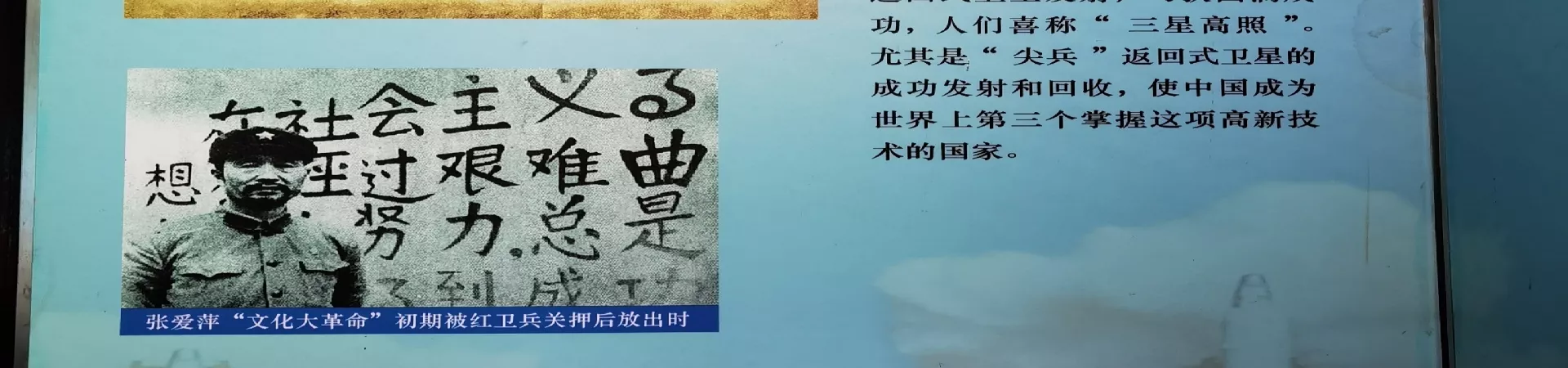
2.1. Early Years and Revolutionary Fervor The exhibition within the residence begins by vividly depicting Zhang Aiping's youth. Born in 1910, he grew up in this very environment, receiving a traditional education that later fused with exposure to progressive new ideas. The displays, featuring historical photographs, personal artifacts, and detailed texts, chart his rapid political awakening. Visitors can trace his early involvement in student movements, his unwavering commitment to the revolutionary cause, and his participation in the Long March—a grueling ordeal that tested and solidified the resolve of an entire generation of Communist leaders. This section highlights the formative experiences that transformed a young man from Dazhou into a dedicated revolutionary.
2.2. A Distinguished Military Career General Zhang's contributions to China's military history are extensively documented. The residence dedicates significant space to his leadership during the War of Resistance against Japan and the Chinese Civil War, where his tactical acumen was repeatedly demonstrated. However, the narrative rightly emphasizes his paramount role in the founding and development of the People's Liberation Army Navy and the strategic missile forces (the Second Artillery Corps, now the Rocket Force). As a key figure in China's modern defense establishment, he was instrumental in transitioning the military into a technologically advanced, strategic force. Exhibits may include models, documents, and images related to naval development and missile programs, underscoring his vision for national sovereignty and security.
2.3. Statesmanship and Cultural Pursuits Beyond the battlefield and command room, Zhang Aiping was a man of multifaceted depth. The residence thoughtfully showcases his later years as a state leader, serving as Vice Premier and Minister of National Defense, where he contributed to policy and diplomatic efforts. Perhaps more personally revealing are the displays dedicated to his artistic side. Known by the sobriquet "The General Poet-Calligrapher," he was an accomplished practitioner of calligraphy and a passionate poet. His brushwork, often powerful and unrestrained, and his poetry, reflecting on history, nature, and the revolutionary spirit, are presented as integral parts of his character. This dimension adds a profound layer of humanity, revealing a leader who valued cultural heritage and personal expression alongside military and political duty.
Section 3: The Visitor Experience and Museum Collections
3.1. Curated Exhibitions and Artifacts The residence functions as a comprehensive museum. The rooms are arranged thematically to guide visitors through the chronological and thematic stages of Zhang's life. Carefully curated glass cases hold priceless personal effects: perhaps his military uniforms, handwritten notes, official documents, seals, and everyday items. These artifacts serve as direct, intimate links to the past. Wall panels, maps, and multimedia installations provide contextual historical background, explaining the national and international events that shaped his decisions and career path.
3.2. Immersive and Educational Atmosphere The preservation efforts aim for authenticity. Period-appropriate furniture, tools, and decorations recreate the ambiance of different eras. The tranquil courtyards, often featuring stone tablets engraved with the General's poetry or calligraphy, invite contemplation. For student groups and history enthusiasts, the site is an invaluable educational resource, making historical figures and events tangible. The atmosphere encourages visitors to ponder the scale of personal sacrifice demanded by the revolutionary period and the complexities of nation-building in the modern era.
Section 4: Cultural Significance and Lasting Impact
4.1. A Symbol of Local Pride and National History For Dazhou and the wider Sichuan region, the residence is a profound source of local pride. It anchors the community's identity within the national narrative. It demonstrates how individuals from even remote areas played instrumental roles in shaping the country's destiny. The site is frequently integrated into "red tourism" routes, which focus on China's revolutionary heritage, attracting visitors seeking to understand the foundational stories of contemporary China.
4.2. An Enduring Legacy of Values Ultimately, the Former Residence of General Zhang Aiping transcends biographical documentation. It stands as a monument to specific enduring values: unwavering patriotism, resilience in the face of adversity, lifelong dedication to public service, and the harmonious pursuit of both martial and cultural excellence. It challenges visitors to consider the interplay between individual agency and historical currents. The well-maintained paths, clean courtyards, and respectful silence observed by most guests foster an environment suitable for honoring a significant historical figure. Leaving the residence, visitors carry with them not just historical facts, but an impression of the character and times of a man who helped steer the course of a nation.