Sanhui Ancient Town
Subtitle: A Journey Through Time in Sichuan's Riverside Gem
1. Introduction: The Confluence of History and Geography Nestled in the northeastern corner of Sichuan Province, where the crisp waters of the State River (Zhouhe) meet the mighty flow of the Bayu River, lies Sanhui Ancient Town. More than just a scenic spot, Sanhui is a living chronicle, a vibrant tapestry woven over centuries at this strategic confluence—a fact immortalized in its very name, "Sanhui," meaning "Three Convergences." Its history stretches back to the Qin and Han dynasties, flourishing as a critical hub on the ancient post road connecting the Central Plains with the Sichuan Basin. However, it was during the Ming and Qing dynasties that Sanhui truly blossomed into a legendary commercial powerhouse. As one of the most significant material distribution centers in eastern Sichuan, it became synonymous with the salt, coal, and iron trades, earning the illustrious title "Little Chongqing." This era cemented its status not just as a town, but as a pivotal economic and cultural artery, whose rhythm was dictated by the comings and goings of merchant ships and the bustling activity along its storied wharves.
2. Architectural Heritage: A Walk Through Ming and Qing Elegance Stepping into Sanhui today is akin to walking onto the set of a historical film, where the grandeur of its mercantile past is etched into every street and building.
2.1. The Layout: A Testament to Practical Ingenuity The town's layout is a masterclass in adaptive urban planning. Following the natural contours of the hills and the curves of the rivers, its streets and alleys form a distinctive "fishbone" structure. This ingenious design was not merely aesthetic; it served the vital practical purposes of efficient drainage and transportation, allowing goods and people to flow seamlessly from the bustling river ports up into the commercial heart of the town.
2.2. Architectural Styles: A Symphony in Wood and Stone The architectural landscape is a harmonious blend of styles, predominantly showcasing the exquisite craftsmanship of Ming and Qing dynasty vernacular architecture. Key features include: * Hui-Style Flair: Many residences incorporate elements reminiscent of Huizhou architecture, such as elegant horse-head gable walls (Matou Qiang), which served as both firebreaks and symbols of status. * Sichuan-Style Complexity: The quintessential Sichuan hesiyuan (enclosed courtyard) layout is prevalent, often expanded into deep, multi-layered compounds that reflect the wealth and size of merchant families. Elaborately carved wooden brackets, beam decorations, and lattice windows showcase unparalleled local artistry. * Defensive Structures: The town's prosperity necessitated protection. Remnants of ancient city gates, sections of sturdy defensive walls, and strategically placed watchtowers speak to a need for security in a valuable trade center.
2.3. Iconic Landmarks: Wharves, Guildhalls, and Temples Several structures stand as proud monuments to the town's legacy: * The Ancient Wharves: The Li Family Wharf and Wang Family Wharf were once frenetic centers of activity. The worn stone steps leading down to the water bear witness to centuries of loading and unloading, the echoes of bartering and the shouts of laborers seemingly still lingering in the air. * The Shaanxi Guildhall (Xiqin Huiguan): This magnificent complex is perhaps Sanhui's architectural crown jewel. Built by wealthy Shaanxi merchants, its grand stage, intricate wooden carvings depicting mythological scenes, and solemn main hall are breathtaking. It served as a clubhouse, a temple, and a potent symbol of the power of merchant collectives. * Temples and Halls: The Yuwang Temple (dedicated to the legendary Great Yu who tamed the floods) and various ancestral halls underscore the community's spiritual life and deep reverence for tradition, commerce, and water deities.
3. Cultural Tapestry: Beyond Bricks and Mortar Sanhui's soul is expressed through intangible traditions that continue to animate its ancient streets.
3.1. The Sound of Sanhui: Folk Performances The town is a cradle for unique performing arts. The Sanhui Folk Songs, with their high-pitched, resonant tones, evolved from the work songs of boat trackers and porters. The "Qiaogong" Dance is a dynamic performance where dancers wielding tools mimic the rhythmic labor of bridge construction, a powerful tribute to the town's builders.
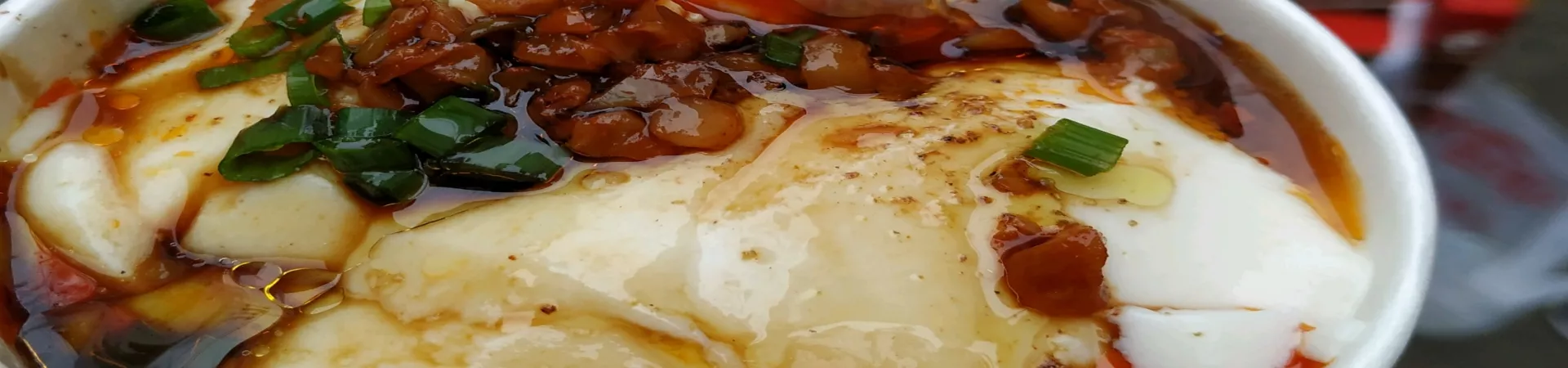
3.2. A Culinary Crossroads: The Sanhui Table Sanhui's cuisine is a delicious reflection of its history as a melting pot. The famed "Sanhui Ba Ba" is not a sweet dessert but a savory, pan-fried dough pocket traditionally filled with minced meat and vegetables, a hearty meal for travelers and laborers. Other specialties include Sour and Spicy Noodles with their invigorating kick, and various river fish dishes prepared with locally sourced peppers and pickles, offering a true taste of Sichuan's bold flavors.
3.3. Timeless Rituals: Festivals and Markets Traditional festivals are celebrated with particular vigor. During the Spring Festival and Lantern Festival, the old streets are adorned with lights, and dragon dances wind through the alleys. The periodic Ancient Town Market Day transforms the main thoroughfares into a vibrant tableau, where farmers and artisans sell local produce, handicrafts, and snacks, preserving the atmosphere of an ancient fair.
4. The Modern-Day Experience: Immersion and Exploration For the contemporary visitor, Sanhui offers a deeply immersive journey.
4.1. Suggested Itineraries for Immersion A full day allows for a comprehensive experience: start at the Li Family Wharf at dawn to sense the river's importance; wander slowly through the Ancient Street Core Area, exploring guildhalls and courtyards; enjoy a lunch of local specialties; visit the Yuwang Temple in the afternoon; and conclude by witnessing the sunset over the confluence of the two rivers from a high vantage point.
4.2. Practical Tips for Visitors * Accessibility: Sanhui is located in Qu County, Dazhou. The most common route involves traveling to Dazhou city first (by high-speed rail or air), followed by a approximately 1.5-hour bus or car journey to the town. * Accommodation: Options range from basic guesthouses within the old town to more modern hotels in the newer adjacent areas. Staying in a traditional inn enhances the historical experience. * Best Time to Visit: Spring (March-May) and Autumn (September-November) offer the most pleasant weather. Visiting during a traditional festival offers unique cultural insights, though it will be more crowded.
4.3. Preservation and Sustainable Tourism Sanhui faces the modern challenges of preserving its fragile wooden structures and authentic character amidst development. Current efforts focus on restorative maintenance using traditional techniques and promoting community-based tourism. As a visitor, respectful engagement—supporting local businesses, following designated paths, and showing reverence for historical sites—contributes directly to the sustainable preservation of this irreplaceable heritage site. The town is not a static museum but a resilient community, and its future depends on a balance between honoring the past and navigating the present.