Longtan River Scenic Area
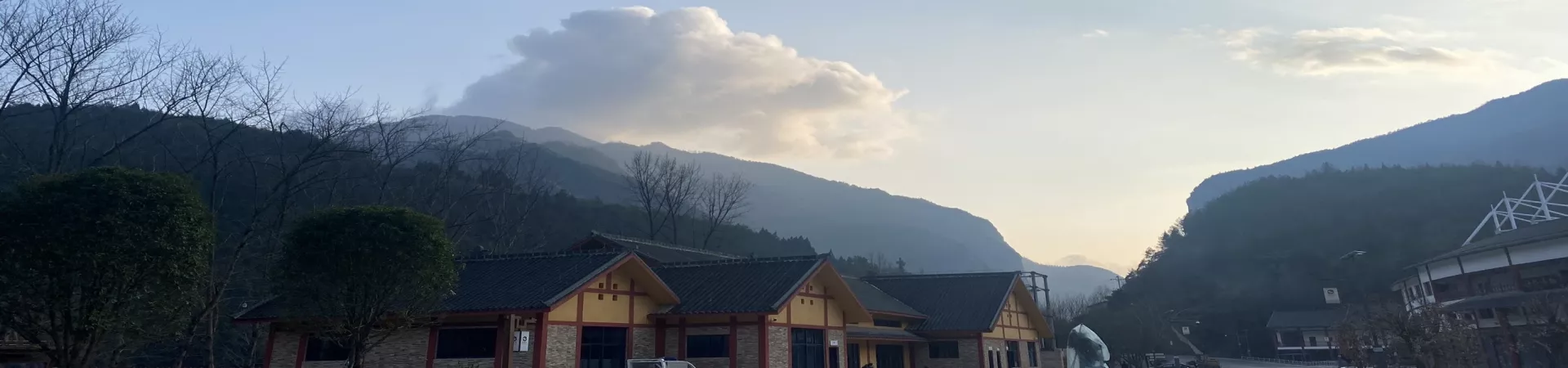
Subtitle: A Journey Through Nature's Masterpiece: Exploring the Enchanting Longtan River Scenic Area in Dazhou, China
1. Introduction: The Allure of Sichuan's Hidden Gem Nestled within the verdant, rolling hills of northeastern Sichuan Province, the Longtan River Scenic Area in Dazhou City stands as a testament to nature's serene artistry and raw, untamed power. Far from the bustling crowds of China's mega-cities, this destination offers a profound escape into a world where emerald waters carve through ancient rock, lush forests whisper tales of time, and the air carries the crisp, clean scent of mountain wilderness. It is a landscape painter's dream and a sanctuary for the soul-seeking traveler. More than just a collection of natural sights, Longtan River is an immersive experience—a harmonious blend of geological wonder, rich biodiversity, and subtle cultural echoes that together create a uniquely tranquil yet invigorating retreat. This guide delves into the heart of this captivating region, providing an essential companion for planning a visit to one of Sichuan's most picturesque and rejuvenating natural reserves.
2. The Heart of the Scenery: Core Attractions and Natural Formations The scenic area derives its name and character from the Longtan River itself, a vibrant waterway whose name translates poetically to "Dragon Pool River." The river is the lifeblood of the landscape, shaping its features and dictating the rhythm of exploration.
2.1. The Dragon Pools and Cascading Waters The most iconic features are undoubtedly the series of deep, crystalline pools and the waterfalls that connect them. These pools, ranging in color from translucent jade to deep sapphire, are nestled within basins of smooth, sculpted rock. The most famous, perhaps, is the Main Longtan (Dragon Pool), a vast, serene expanse of water that reflects the surrounding cliffs and sky with mirror-like perfection. The journey along the river is punctuated by the sound of cascading water, from gentle trickles over mossy stones to more dramatic, multi-tiered falls that create a permanent mist and a symphony of natural white noise. Walking trails and viewing platforms are strategically placed to offer breathtaking vistas of these hydrological wonders from various angles, allowing visitors to fully appreciate their scale and beauty.
2.2. Karst Landscapes and Unique Rock Formations Beyond the water, the area is a showcase of classic karst topography. Millennia of erosion by water and wind have created a fascinating array of limestone formations. Look for natural arches, secluded grottoes, and towering pinnacles that rise dramatically from the forest floor. Some rocks have taken on imaginative shapes, earning names from local lore that spark the imagination. The interplay of light and shadow through these stone structures, especially in the soft glow of early morning or late afternoon, adds a layer of mystical beauty to the hike.
2.3. The Verdant Canopy: Flora and Fauna The microclimate created by the river supports a dense and diverse ecosystem. The area is blanketed in a mixed broadleaf and coniferous forest, which is particularly spectacular in autumn when the foliage erupts in a fiery palette of reds, oranges, and golds. The undergrowth is rich with ferns, mosses, and wildflowers. This lush habitat is home to various bird species, making it a pleasant spot for birdwatching, and smaller mammals. The air is notably fresh, rich with oxygen and the subtle fragrance of pine and damp earth.
3. Practical Information for the Visitor A smooth and enjoyable visit hinges on practical preparation. Here is the essential information for planning your trip to Longtan River.
3.1. Location and Access The Longtan River Scenic Area is located within the administrative region of Dazhou City, Sichuan Province. It is typically accessed from the city center of Dazhou. Visitors can arrive in Dazhou via high-speed rail or long-distance bus from major hubs like Chengdu or Chongqing. From Dazhou's main transportation centers, local buses, tourist shuttles (often available during peak seasons), or taxis can provide the final leg of the journey to the scenic area's entrance. It is advisable to check for the most current local transport options upon arrival in Dazhou.
3.2. Operating Hours and Best Time to Visit The scenic area operates with specific hours that vary slightly by season to ensure visitor safety and enjoyment. It is crucial to plan your arrival accordingly.
- Peak Season (Spring & Summer): Generally from April to October, the hours are 08:00 - 18:30, with last admission at 16:00.
- Off-Peak Season (Late Autumn & Winter): From approximately November to March, hours are typically 08:30 - 18:00, with last admission at 15:00.
These hours apply from Monday through Sunday. It is highly recommended to verify the exact times on the day of your visit, as they can be subject to change due to weather conditions or administrative decisions.
The area possesses distinct charms throughout the year. Spring (April-May) brings blooming flowers and full waterfalls from melting snow. Summer (June-August) offers lush, cool greenery as a respite from the heat, though it can be rainy. Autumn (September-October) is widely considered the prime time for its comfortable temperatures, clear skies, and stunning fall colors. Winter (November-February) has a stark, quiet beauty, with fewer visitors and sometimes misty, ethereal atmospheres, though some water features may be reduced.
3.3. Suggested Itineraries and Trail Notes A complete exploration of the main trails and sights typically requires 3 to 5 hours, depending on pace and photography stops. The well-maintained walking paths consist of a combination of paved walkways, wooden boardwalks, and stone steps that follow the river's course. While not extremely strenuous, the terrain includes some inclines and stairs, so wearing sturdy, comfortable walking shoes is non-negotiable. The circuit is generally designed as a one-way route, leading visitors past all major attractions without the need for backtracking. Ample rest points and pavilions are located along the way.
4. Enhancing Your Experience: Tips and Insights To transform a simple visit into a memorable journey, consider these additional insights.
4.1. Photography and Sightseeing Advice For photographers, the golden hours shortly after sunrise and before sunset provide the most flattering light, softening the landscapes and enriching colors. A tripod can be useful for capturing the silky flow of waterfalls. Wide-angle lenses are excellent for vast pool and valley shots, while a telephoto lens can help isolate details in the rock faces or distant forests. From a sightseeing perspective, take your time. The beauty of Longtan River is in the details—the way water swirls in a pool, the patterns on a rock, the play of light through the leaves.
4.2. What to Bring and Wear Preparation is key for comfort. Essential items include: * Footwear: As mentioned, durable, non-slip hiking or walking shoes. * Clothing: Dress in layers suitable for the season. The temperature near the water and in shaded valleys can be cooler than expected. A lightweight rain jacket is advisable due to potential spray from waterfalls and unpredictable mountain weather. * Supplies: Carry sufficient water and some high-energy snacks. While there may be small vendors near the entrance, options inside the park are limited. Sun protection (hat, sunscreen) is needed on open sections of the trail, and insect repellent can be useful in the warmer months. * Extras: A small backpack, a power bank for your phone/camera, and cash for any incidental purchases.
4.3. Cultural and Ecological Etiquette Longtan River is a protected natural area. Visitors are encouraged to practice "Leave No Trace" principles: carry out all trash, stay on designated paths to protect fragile ecosystems, and avoid disturbing wildlife or picking plants. The tranquility of the environment is part of its magic, so keeping noise levels respectful enhances the experience for everyone. While not a site of major historical monuments, the landscape itself is intertwined with local culture and folklore, often represented in the names of features. Respecting the environment is a way of honoring that cultural connection.