Wusuli Shallow Beach
Subtitle: Where the River Shapes the Land and You Find True North
Introduction: A Vast Tapestry at the Edge of the Map
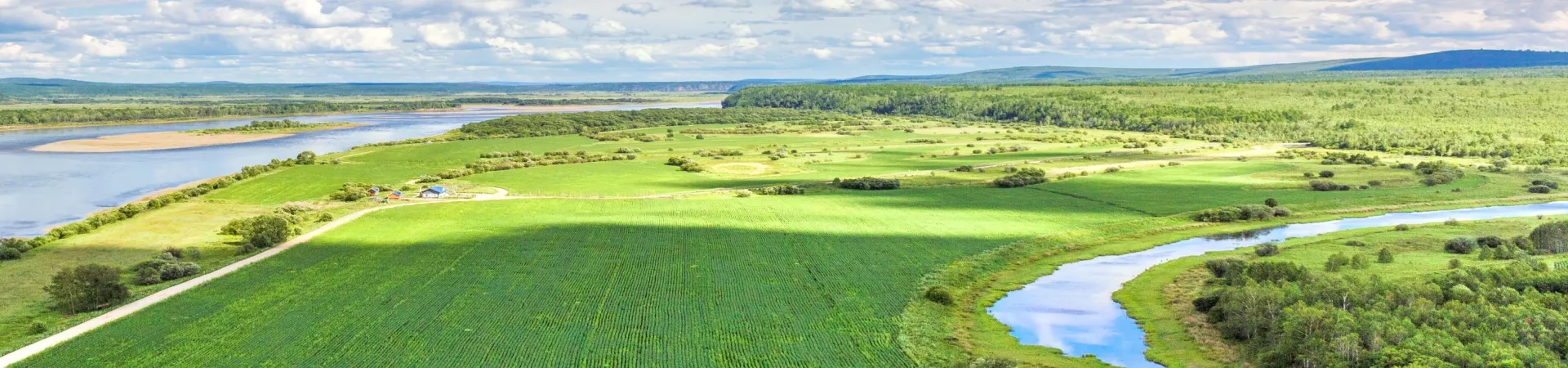
Nestled against the majestic Heilongjiang River, which serves as the natural border between China and Russia, lies the Wusuli Shoal (乌苏里浅滩). This expansive landscape, covering approximately 50 square kilometers, is a masterpiece of fluvial artistry, sculpted over millennia by the relentless deposition of the mighty Heilongjiang. The shoal presents a breathtaking panorama where the powerful, dark currents of the river meet an astonishingly flat and endless shoreline, creating a stark and beautiful contrast that embodies the raw, untamed spirit of the Greater Khingan Range region. It is a place where geography feels elemental, and the sense of standing at the very edge of the nation is palpable.
The Ever-Changing Landscape: Seasons of Grandeur
A Study in Monochrome: The Winter Wonderland While impressive year-round, Wusuli Shoal undergoes a transcendent transformation in winter. The vast, flat expanse becomes a pristine, uninterrupted field of snow, a silent silver world that stretches as far as the eye can see. The river, often edged with ice, mirrors the pale sky, blurring the lines between water, land, and air. This season showcases nature's most profound quietude and power, the "superlative craftsmanship" of the natural world that the original description notes. It is a time for contemplation, photography, and experiencing the profound stillness of a frozen frontier.
The Verdant Expanse: Spring and Summer Hues As the grip of winter loosens, the shoal reveals a different character. The tundra-like plain can burst with hardy wildflowers and grasses, while the Heilongjiang River flows with renewed vigor, its brown waters a symbol of constant motion against the stable land. The wide-open skies, often dramatic with sweeping clouds, create ever-shifting light over the terrain, making every visit unique.
The Golden Threshold: Autumn's Brief Splendor Autumn brings a swift, fiery change. The surrounding boreal forest of the Greater Khingan Range lights up in gold and crimson, framing the shoal with color. The air turns crisp, and the shoal itself takes on a golden-brown hue, offering a brief, spectacular window of color before the white silence of winter returns.
The Quest for "North": Landmarks and Legend
A Geographic and Symbolic Journey Beyond its physical beauty, Wusuli Shoal holds a powerful symbolic attraction. Local lore and geographical intrigue suggest that the true northernmost point of China's mainland is not at the well-known Arctic Village but here, on the banks of the Heilongjiang River bordering the shoal. This notion transforms a visit into a personal pilgrimage.
The Iconic Monuments: Marking the Spot This legendary status is cemented by the presence of two iconic stone steles. One, grand and imposing, is inscribed with the characters "北国擎天石" (Beiguo Qingtian Shi), which translates to "Northland Sky-Supporting Stone," evoking a sense of foundational power. The other bears the playful and congratulatory message, "恭喜您找到北了" (Gongxi Nin Zhaodao Bei Le)—"Congratulations, You Have Found the North." These stones are not merely photo opportunities; they are interactive landmarks that fulfill a traveler's quest. To stand between them is to symbolically and physically reach a cardinal point of the Chinese homeland, an achievement that resonates deeply with visitors.
Practical Information for the Visit
Getting There: Accessing the Frontier Due to its remote location, the primary modes of transportation to Wusuli Shoal are self-driving or chartered vehicles. There is no public transport directly to the site. The journey itself, through the forests and along border roads, is an integral part of the adventure, offering glimpses of the remote and beautiful Heilongjiang province countryside. A reliable vehicle and prior planning for fuel and supplies are essential.
Visiting Details: Fees and Timing The site operates with straightforward visitor logistics. An entrance fee of 20 RMB is required for access. The opening hours are from 6:00 AM to 6:00 PM, daily throughout the year (Monday through Sunday, January 1 to December 31). It is advisable to confirm these times locally, especially during extreme winter weather.
Optimizing Your Experience A typical visit to explore the shoal, walk to the riverbank, and engage with the landmark stones can take approximately 1 to 3 hours. However, photographers and those wishing to immerse themselves in the landscape may wish to stay longer, particularly to capture the sublime sunrise or sunset over the river plain. Given the exposed nature of the terrain, visitors should come prepared for the elements: sun protection, windproof layers, and sturdy footwear are crucial. In winter, extreme cold-weather gear is an absolute necessity.
A Final Note on Connectivity For inquiries, the local management can be contacted via phone at 0457-2827799. However, given the remote setting, travelers should not rely solely on this for last-minute planning and are encouraged to seek information from their accommodation or tour operator in the Greater Khingan Range area prior to their excursion.