Mohe Heilongjiang
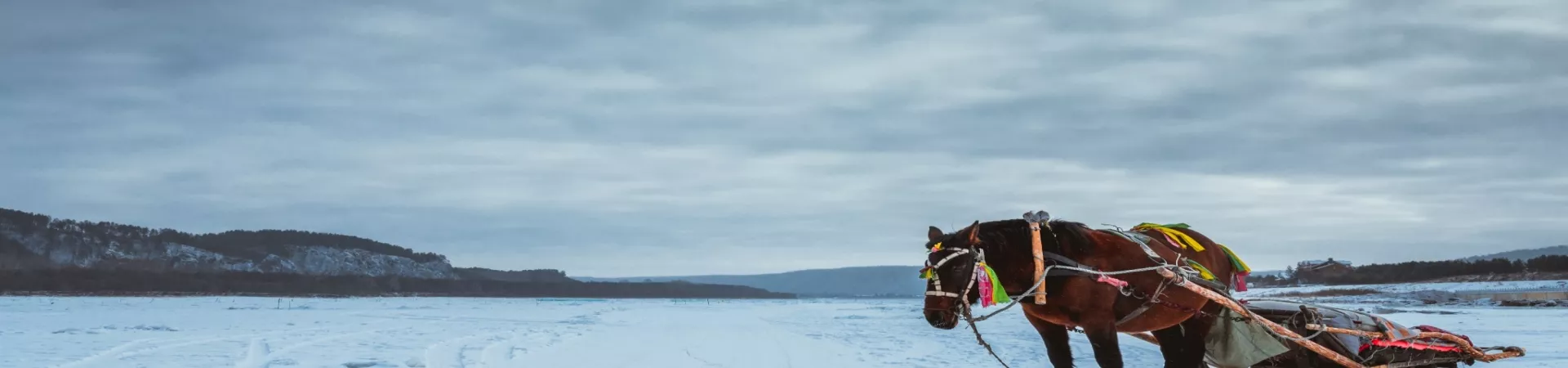
Subtitle: A Journey to the Confluence of Giants: Exploring the Origins of the Heilongjiang River at Mohe
1. Introduction: Where the Dragon River is Born Nestled at the very top of China, where the nation's territory reaches its northernmost point, lies a landscape of profound silence and raw, elemental power. This is the Mohe region of Heilongjiang Province, a place often synonymous with China's "Arctic Village" and the mesmerizing spectacle of the aurora borealis. Yet, beyond the winter frost and summer midnight sun, Mohe holds a deeper, flowing secret: it is the sacred birthplace of one of Asia's mightiest waterways, the Heilongjiang River, known internationally as the Amur. Here, geography is not just a subject but a living narrative, telling the story of the river's formation from two distant sources that converge in a quiet, monumental union.
2. The Two Sources: A Tale from the Steppes and the Mountains The Heilongjiang River does not have a single, simple origin. Its creation is a epic saga written in water, originating from two distinct and distant headwaters that embody the vastness of Northeast Asia.
2.1. The Southern Source: The Erguna River's Journey The river's southern lineage begins with the Erguna River. This significant tributary is itself born from a marriage of two rivers draining vastly different terrains. The Hailar River springs from the western foothills of the Greater Khingan Range (Da Hinggan Ling) in China's Inner Mongolia Autonomous Region, carrying with it the cold, clear essence of these ancient forests. Its partner, the Kerulen River, originates far to the west on the eastern slopes of Mongolia's Khentii Mountains, meandering through rolling steppes before its waters finally merge with the Hailar to form the Erguna. This southern source represents the Mongolian plateau's contribution to the great river.
2.2. The Northern Source: The Shilka River's Siberian Path Flowing from the north is the other parent stream: the Shilka River, rising in Russia. Its headwaters, known as the Onon River, also trace their source back to the eastern side of the Khentii Mountains in Mongolia, creating a fascinating hydrological sibling rivalry with the Kerulen. The Shilka gathers strength as it courses through Russian territory, a collector of Siberian wilderness, long before it dreams of meeting its southern counterpart.
3. The Great Confluence at Luoguhe The magic of Mohe is witnessed at a specific, serene spot near the village of Luoguhe, located west of Mohe city. Here, in a quiet corner of China's extreme north, the two traveling giants—the Erguna River from the south and the Shilka River from the north—finally meet. It is at this precise point of confluence that the Heilongjiang River officially receives its name, meaning "Black Dragon River." The water, often appearing dark and profound against the forested banks, begins its long, eastward journey to the Sea of Okhotsk. This confluence is not an end but a magnificent beginning, symbolizing unity and the start of a 4,444-kilometer course that will shape borders, ecosystems, and cultures.
4. The Growing Giant: Tributaries Along the Journey From its birthplace at Luoguhe, the newborn Heilongjiang quickly matures into a river of continental scale, fed by a network of powerful tributaries that drain an immense basin. On its left (northern) bank, within Russian territory, it welcomes major rivers like the Zeya, the Bureya, and the Amgun, each adding vast volumes of water from the Siberian taiga. From its right (southern) bank, within China, it is joined by significant flows such as the Huma River, the Xun River, and, most notably, the colossal Songhua River, which itself drains much of China's northeastern heartland. Further downstream, the Ussuri River marks another major confluence, forming part of the famed border between Russia and China. Each tributary weaves its own story into the ever-broadening narrative of the Heilongjiang.
5. Practical Information for the Visit Visiting the confluence area near Mohe is a pilgrimage for geography enthusiasts and nature lovers alike, offering a sense of standing at a truly foundational natural landmark.
5.1. Getting There: Transportation to the River's Start The site is remote and public transportation is limited. The most practical and flexible methods are: * Private Car Hire (with Driver): The most common and recommended option. Local drivers from Mohe or Beiji Village are familiar with the routes and conditions, especially important given the area's variable weather and road quality. * Self-Drive: For experienced drivers seeking ultimate flexibility. Ensure your vehicle is suitable for rural roads and be prepared with offline maps and supplies, as services are sparse. The drive from Mohe town offers stunning views of the boreal forest.
5.2. Duration & Timing: Planning Your Exploration * Suggested Visit Duration: Planning for 1 to 3 hours at the site is advisable. This allows ample time to appreciate the vista, walk along the bank, visit any small local markers or viewpoints, and absorb the sheer scale of the location without feeling rushed. The journey to and from Mohe will require additional time. * Opening Hours: The confluence area itself is a natural landmark with 24/7 access, year-round. However, accessibility can be severely affected by seasonal conditions. Winter months (December-February) offer a frozen, surreal landscape but require extreme cold-weather preparation and may involve altered road access. Summer and early autumn provide the most reliable access and milder weather.
5.3. Tickets and Fees There is typically no standard entrance fee or ticket for viewing the main confluence area from public banks or common viewpoints. It is a natural geographical feature. However, if accessing specific built observation decks, affiliated small museums, or parking areas managed locally, there might be nominal fees. As arrangements can change, it is always prudent to check with local tourist information in Mohe or your accommodation/hire driver for the very latest details regarding any potential costs for enhanced access.