Heilongjiang First Bay
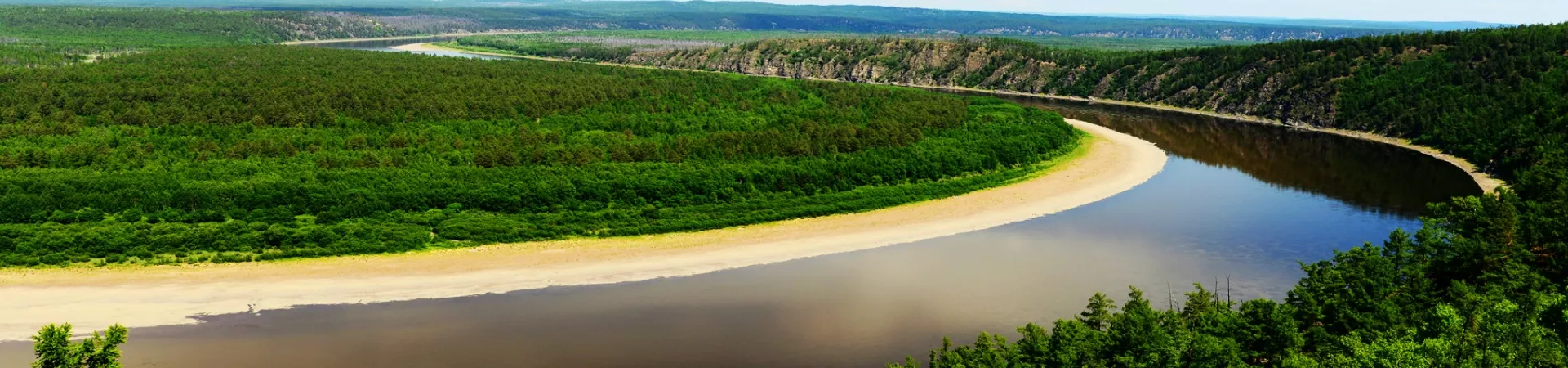
Subtitle: A Colossal River's Dramatic Turn: Your Essential Guide to Heilongjiang's First Bend
Introduction Nestled within the remote and pristine wilderness of China's Greater Khingan Range region, the Heilongjiang First Bend is not merely a scenic spot but a profound geographical spectacle. It is where the mighty Heilong River (known as the Amur River internationally), acting as a natural border between China and Russia, executes a breathtaking, almost perfectly circular turn of nearly 330 degrees. This dramatic horseshoe bend, carved over millennia by the river's relentless flow, creates a stunning visual phenomenon—a near-complete loop of shimmering water encircling a verdant, forested peninsula on the Russian side. More than just a photo opportunity, a visit here is an immersion into the raw, untamed power of nature and the serene vastness of the borderlands, offering a distinctly different perspective with each passing season.
1. The Spectacle of the Seasons The character of the First Bend transforms dramatically throughout the year, offering unique reasons to visit in every season.
1.1. Spring Thaw and Awakening As winter's grip loosens in April and May, the frozen river begins to crack and melt. The spectacle of ice floes, some massive and imposing, being carried along by the swift, cold current around the bend is a powerful display of nature's transition. The surrounding larch and birch forests start to show hints of green, and the air fills with the sounds of returning wildlife and rushing water, symbolizing the region's reawakening.
1.2. Lush Summer Majesty From June through August, the First Bend is framed in deep emerald. The forests are thick and vibrant, and the river, now fully navigable, reflects the brilliant blue of the summer sky. The view from the observation platform is one of serene grandeur—a lush, green island cradled by a wide, placid loop of blue. This is the season for hiking under comfortable temperatures and witnessing the landscape under the long, luminous daylight hours of the northern latitude.
1.3. Autumn's Fiery Palette Widely considered the most spectacular season, autumn (mid-September to early October) sets the entire basin ablaze with color. The mixed forests of the Greater Khingan Range erupt in a fiery mosaic of gold, crimson, amber, and bronze. The river mirrors this stunning palette, creating a breathtaking, panoramic canvas of warm colors. The crisp, clear air provides exceptional visibility, making it the prime time for photography enthusiasts.
1.4. Winter's Frozen Serenity From November to March, the landscape is transfigured into a monochrome wonderland. The river freezes into a solid, white highway of ice, and the bend is outlined in snow, resembling a giant, graceful brushstroke on a blank sheet of paper. The silence is profound, broken only by the crunch of snow underfoot. Under a pale sun or a blanket of stars, the scene is one of stark, minimalist beauty and extreme tranquility, offering a truly Arctic wilderness experience.
2. Planning Your Visit: Practical Information Due to its remote location, a trip to the First Bend requires careful planning. Here is the essential logistical information you need to know.
2.1. Location and Transportation The Heilongjiang First Bend is located near the village of Jinshan in Mohe City, Heilongjiang Province—China's northernmost region. There is no public bus service directly to the site. * Guided Tours: The most straightforward option for most travelers is to join a multi-day tour from Mohe or Beiji Village. These tours typically combine the First Bend with nearby attractions like the Wusuli Shoal (China's northernmost point) and the Arctic Village. * Private Charter or Self-Drive: For greater flexibility, hiring a private car with a local driver from Mohe is highly recommended. The driver's knowledge of the unmarked forest roads is invaluable. Self-driving is possible but is only advised for experienced drivers with robust, winter-ready vehicles, especially outside of summer. Roads can be challenging, and GPS signals may be unreliable.
2.2. Admission and Fees Access to the primary viewing area for the Heilongjiang First Bend is managed through a joint ticket. * Ticket Cost: A standard combined ticket for the Heilongjiang First Bend and the Wusuli Shoal is priced at 50 RMB per person. * Discounts: Full-time students with valid ID cards are eligible for a 50% discount on the ticket price. * Note: The ticket is typically checked at the entrance to the wooden stairway leading up to the viewing platform.
2.3. Opening Hours and Best Time to Arrive The viewing area for the First Bend is open 24 hours a day, 365 days a year. However, practical access is limited to daylight hours for safety and visibility, unless you are specifically venturing for northern lights viewing in winter. To fully appreciate the view and have ample time for photography, it is advisable to allocate 1.5 to 3 hours for your visit, including the climb to the platform. Arriving in the morning or late afternoon often provides the best light for photography.
3. The Viewing Experience: The Climb and The Vista The main attraction involves a short but steep hike to a purpose-built wooden viewing platform on the Chinese side of the river.
3.1. The Ascent From the parking area, a well-constructed wooden staircase ascends the hillside. The climb consists of several hundred steps and can be moderately strenuous, particularly in icy conditions. It is essential to wear sturdy, non-slip footwear. Take your time, pause at the intermediate landings to catch your breath, and enjoy the gradually unfolding glimpses of the river below.
3.2. The Panoramic Summit Reaching the top platform is the ultimate reward. The panoramic vista that unfolds is nothing short of awe-inspiring. You are presented with a bird's-eye view of the entire, colossal bend. The sheer scale of the river's loop is fully revealed, with the waterway appearing to double back on itself. On one side, you look down the river you came from; on the other, you see it flowing away into the distant horizon. The sense of space, silence, and natural grandeur is overwhelming. This is the moment to simply absorb the view, identify the geographical features, and capture the memory.
4. Essential Tips for a Successful Trip * Dress in Layers: Weather in the Greater Khingan Range is highly variable and can change rapidly. This is crucial in winter, where temperatures can plunge below -30°C, but also important in shoulder seasons. Windproof and waterproof outer layers are recommended. * Footwear is Key: As mentioned, the climb demands good footwear. Hiking boots or insulated winter boots with excellent grip are mandatory. * Power and Connectivity: Bring fully charged power banks for your phone and camera. Cellular service can be weak or non-existent at the site. * No On-Site Amenities: There are no shops, restaurants, or water fountains at the viewing area. Carry sufficient water, snacks, and any necessary personal items with you from Mohe or your tour vehicle. * Respect the Environment: This is a pristine natural area. Please take all your trash with you and stay on the designated paths and viewing platforms to protect the fragile ecosystem and for your own safety.