Golden Rooster Crown
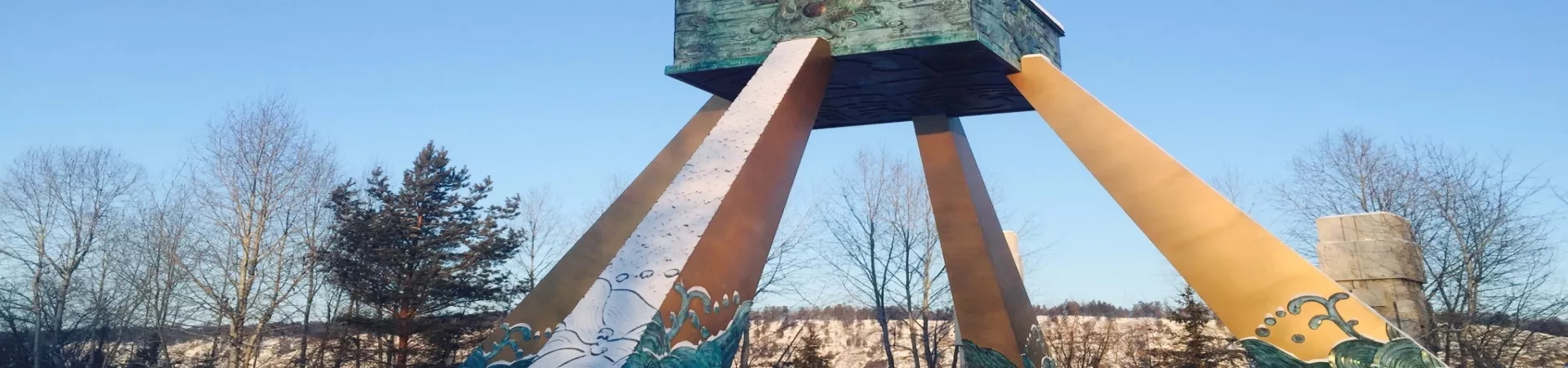
Subtitle: The Crown of the Golden Rooster: Standing at the Pinnacle of China
1. Introduction: A Monument at the Top of the Nation
Nestled within the vast and pristine wilderness of the Greater Khingan Range, in the legendary Arctic Village of Mohe, lies a landmark of profound symbolic significance: the Crown of the Golden Rooster Square and its central sculpture. This is not merely a tourist attraction; it is a geographical and cultural statement. It marks the northernmost point of China, the very tip of the "cock's comb" on the map of the country, which is often poetically likened to a majestic golden rooster. The square's centerpiece, a monumental sculpture, transforms this geographical fact into a powerful, tangible symbol of national identity and heritage, inviting visitors to contemplate their place at the top of the nation.
2. The Sculpture: An Imperial Symbol of Sovereignty and Protection
2.1. The Form of the Seal: Power and Permanence The core creative element of the theme sculpture is the "Xi," or the imperial seal. In Chinese history, the imperial seal represented the ultimate authority of the emperor and the legitimacy of the state. By adopting this form, the sculpture immediately communicates themes of sovereignty, permanence, and solemnity. It is as if the land itself here is stamped with the nation's seal, declaring this northern extremity an integral and sacred part of China's territory.
2.2. The Dragon Crest: The Celestial Guardian At the very apex of the seal sculpture rests the magnificent form of a dragon. The dragon is far more than a mythical creature in Chinese culture; it is the ultimate spiritual totem, representing power, wisdom, good fortune, and the very spirit of the Chinese nation. Its placement here is deeply symbolic. It signifies that this land is under the watchful protection and benevolent grace of this celestial guardian. The dragon's presence embodies the wish for divine blessing, for the prosperity of the nation ("天佑我中华国运昌盛"), and connects this remote location directly to the heart of Chinese civilization.
2.3. The Four Guardian Deities: Order and Authority The four sides of the square seal are intricately adorned with the bas-relief patterns of the Four Mythological Symbols: the Azure Dragon of the East, the White Tiger of the West, the Vermilion Bird of the South, and the Black Tortoise (or Xuanwu) of the North. These celestial guardians are ancient symbols in Chinese cosmology, representing the four cardinal directions, four seasons, and the maintenance of cosmic order. Their depiction here serves a dual purpose. Firstly, they "威震四方" (awe the four directions), symbolizing stability and protection for the entire nation from this northern vantage point. Secondly, their presence on the imperial seal reinforces the concept of the power vested here—a power that is supreme and ordained, mirroring the historical belief that the emperor's mandate was upheld by these very forces.
2.4. The Inscription: A Declaration in Script The face of the seal bears a deep, engraved inscription: "金鸡之冠" (Crown of the Golden Rooster). The characters are rendered in Zhuan script, an ancient and elegant seal style of calligraphy known for its balanced and solemn appearance, often used for important inscriptions and seals. This choice of script adds a layer of historical gravitas and artistic beauty. The inscription is contrasted against a vermilion (朱红色) base, creating a striking visual harmony. This interplay of deep engraving and vibrant color is rich with meaning. It vividly illustrates the idea that this spot is the raised, prominent "crown" of the golden rooster-shaped map of China. It is the definitive mark, the final stamp, confirming this location's unique status as the country's highest latitude point.
3. Practical Information for the Visitor
3.1. Location and Access The Crown of the Golden Rooster Square is situated within the Arctic Village (北极村) scenic area in Mohe. Access is straightforward for visitors already exploring the village. * Transportation: The site is easily accessible on foot from anywhere within the Arctic Village. No special transport is required, allowing for a leisurely walk through the village atmosphere to reach this significant point.
3.2. Visiting Details * Suggested Duration: A visit to the square and time for contemplation and photography typically requires under 1 hour. It is often combined with other nearby attractions in the Arctic Village, such as the "Most Northern" post office or the banks of the Heilongjiang River. * Opening Hours: The square is accessible 24 hours a day, every day of the year. This allows for unique visiting experiences—under the midnight sun in summer or the stark, silent beauty of the Arctic winter day. However, daylight hours are recommended for first-time visitors to fully appreciate the details of the sculpture. * Admission Ticket: For specific and up-to-date information regarding entry fees to the Arctic Village scenic area, which includes access to the square, it is advisable to consult the official景区 (scenic area) management directly prior to your visit, as policies may be subject to change.
4. The Visitor Experience: More Than a Photo Opportunity
Standing before the Crown of the Golden Rooster sculpture is a moment of quiet reflection. The sheer scale of the wilderness surrounding the Arctic Village frames this human-made symbol, creating a powerful dialogue between nature and nation. Visitors are encouraged to move beyond a simple snapshot. Take time to walk around the sculpture, observe the detailed carvings of the guardian deities, and consider the layers of meaning embedded in its design. Feel the wind from the north—the same wind that sweeps across Siberia—and understand you are at a frontier. It is a place to physically connect with the concept of "China's north," to feel the weight of history and symbolism concentrated in this one artistic monument, and to appreciate the profound cultural narrative that transforms a geographical coordinate into a place of deep meaning.