Boundary Monument 138
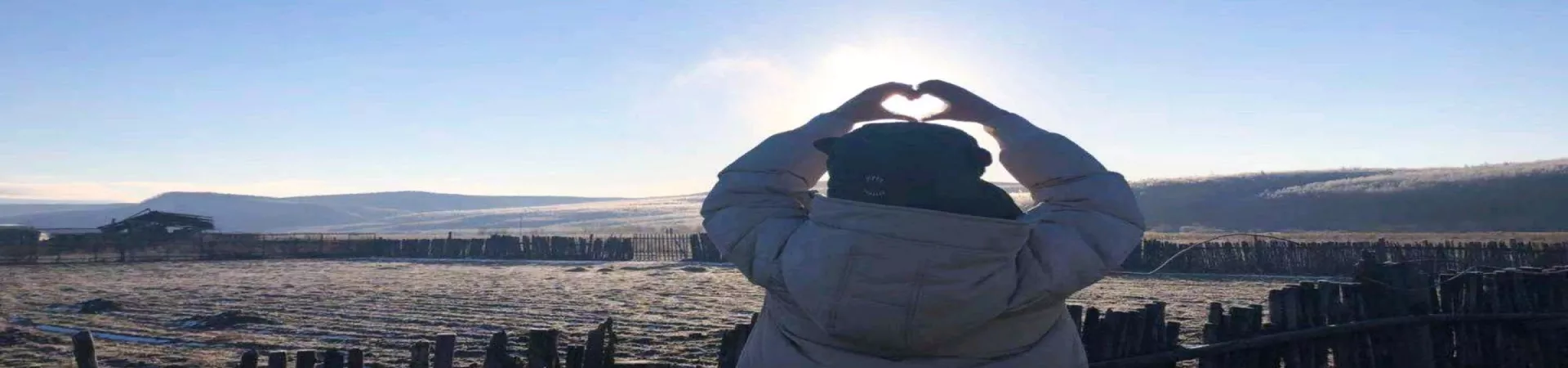
Subtitle: The Sentinel at the Edge of the Nation: Discovering Boundary Marker 138 in the Greater Khingan Range
1. Introduction: The Allure of the Northern Frontier
Nestled within the vast, pristine wilderness of China's Greater Khingan Range, near the legendary Arctic Village, lies a series of silent sentinels marking the nation's northern border. Among these, Boundary Marker 138 stands not merely as a geographical notation but as a powerful symbol of exploration, national identity, and the raw beauty of the remote frontier. While several markers, including 136, 137, and 139, are scattered across this region, it is Marker 138 that has captured the imagination of travelers, earning its reputation as a must-visit destination for those seeking to stand at the "Roof of China's North."
2. The Significance of Marker 138: More Than Just a Number
2.1. A Focal Point of Northern Exploration Unlike its counterparts, Boundary Marker 138 enjoys a unique and privileged status. Marker 136, for instance, lies in a more remote and less accessible location, resulting in fewer visits. Marker 138, however, benefits from its strategic and symbolic proximity to "China's Northernmost Point." This association has transformed it from a simple border marker into a central landmark of the extreme north experience. It has been formally developed into a dedicated scenic spot, often interchangeably referred to as "China's Northernmost Boundary Marker." This designation makes it a tangible, photogenic culmination of the journey northward.
2.2. A Monument at the Edge of the World The marker itself is a stark, solemn object—typically a concrete or stone stele engraved with its numerical designation and national emblems. Set against the boundless backdrop of the Greater Khingan's forests, under a sky that feels immensely vast, it represents the precise point where sovereign territory meets the unknown. For visitors, touching the cool surface of the marker is a ritualistic act, a physical connection to the very concept of the border. It is a place for contemplation, evoking feelings of awe at the scale of the country and a personal sense of achievement for having reached one of its most distant corners.
3. The Journey and the Environment: An Integral Experience
3.1. Gateway: The Arctic Village The adventure to Marker 138 begins in the Arctic Village, a settlement that has built its identity around its high-latitude charm. From here, the journey to the marker is short but profound. The path, whether by road or a seasonal trail, immerses travelers in the characteristic landscape of the Greater Khingan Range. This transition from village to wilderness is a key part of the experience, setting the stage for the encounter with the border.
3.2. The Immersive Landscape of the Greater Khingan The setting of Marker 138 is as important as the monument itself. The region is a masterpiece of natural grandeur: * Boreal Forest Majesty: The marker is enveloped by endless expanses of coniferous forests, primarily larch and pine, which turn into a spectacular sea of gold in autumn and stand as silent, snow-laden sculptures in winter. * Tundra and Wetlands: In some areas, the forest gives way to open tundra and intricate wetland systems, especially as one approaches the Heilongjiang River (Amur River), which forms the natural border. * Wildlife and Solitude: The air is crisp and filled with the scent of pine. The profound silence is broken only by the wind through the trees or the call of distant birds. This untouched environment underscores the remoteness and significance of the location.
4. Practical Considerations for the Visit
4.1. Best Time to Visit The experience of Marker 138 changes dramatically with the seasons: * Summer (June-August): Offers mild weather, long daylight hours (including the famous "White Nights" near the summer solstice), and lush green landscapes. This is the most accessible and popular time. * Autumn (September): Arguably the most visually stunning period, as the taiga forest erupts in fiery shades of yellow, orange, and red—a breathtaking contrast against the blue sky. * Winter (December-February): For the truly intrepid, winter presents a stark, extreme, and mesmerizing vision. Temperatures plummet far below freezing, and the landscape is blanketed in deep snow, offering an unparalleled sense of Arctic solitude. Access may be challenging and requires thorough preparation.
4.2. Cultural and Etiquette Awareness As an active national boundary marker, it is paramount to approach the site with respect and awareness: * Sovereign Symbol: The marker is a symbol of national sovereignty. Visitors should conduct themselves respectfully—avoid climbing on it or behaving in a frivolous manner. * Border Regulations: The area is sensitive. Always stay within designated visitor areas and paths. Do not attempt to cross any barriers or venture beyond marked zones towards the actual border line or river. Photography is generally permitted, but always be mindful of any posted restrictions or instructions from authorities. * Environmental Responsibility: The ecosystem is fragile. Adhere to strict "leave no trace" principles, carrying out all waste and minimizing any impact on the natural surroundings.
Standing before Boundary Marker 138 is more than a checkbox on a travel itinerary; it is a moment of geographic and personal definition. It represents the intersection of human demarcation and untamed nature, a place where one can feel the immense breadth of China and the quiet power of its northern wilderness. The journey to this sentinel stone, through the heart of the Greater Khingan, is a pilgrimage to the very edge of the map, leaving visitors with a lasting impression of the serene and formidable beauty that defines the nation's ultimate north.