Iron Man Wang Jinxi Memorial Hall
Subtitle: A Journey into China's Industrial Spirit: The Iron Man Wang Jinxi Memorial Hall
1. Introduction: The Legacy of an Icon Nestled in the city of Daqing, Heilongjiang Province, lies a monument not to a king or a general, but to a worker whose name became synonymous with grit, sacrifice, and national pride. The Iron Man Wang Jinxi Memorial Hall is far more than a museum; it is a profound immersion into a defining chapter of modern China's history. It chronicles the life of Wang Jinxi, the most celebrated model worker of China's petroleum industry, and through his story, illuminates the immense struggles and triumphs of the Daqing Oil Field campaign. This campaign was pivotal in breaking China's dependence on foreign oil, and Wang Jinxi emerged as its most powerful symbol. A visit here is an exploration of the "Iron Man Spirit" – a ethos of relentless dedication, patriotic fervor, and selfless contribution that continues to resonate. The memorial hall serves as a key site for patriotic education and a compelling destination for anyone seeking to understand the driving forces behind China's industrial rise in the mid-20th century.
2. Exhibition and Experience: Walking Through History The memorial hall's design is both imposing and evocative, with its architectural style reflecting the solidity and strength of the industrial era it represents. The exhibitions are meticulously curated across several halls, blending historical artifacts, detailed documents, life-sized dioramas, and multimedia presentations to create a multi-sensory narrative.
2.1. The Early Years and the Call to Daqing The journey begins with Wang Jinxi's humble origins as a poor herdsman's child in Gansu Province. Exhibits detail his early life of hardship and his entry into the oil industry, first at the Yumen Oil Field. This section sets the stage, showing his developing character and technical skills. The narrative then pivots dramatically to the late 1950s, a period of severe economic difficulty for China. The critical national need for self-sufficiency in oil provides the context for the monumental decision to launch the Daqing Oil Field exploration. The display captures the urgency of the era, showcasing the call that went out to oil workers across the nation, a call that Wang Jinxi answered without hesitation.
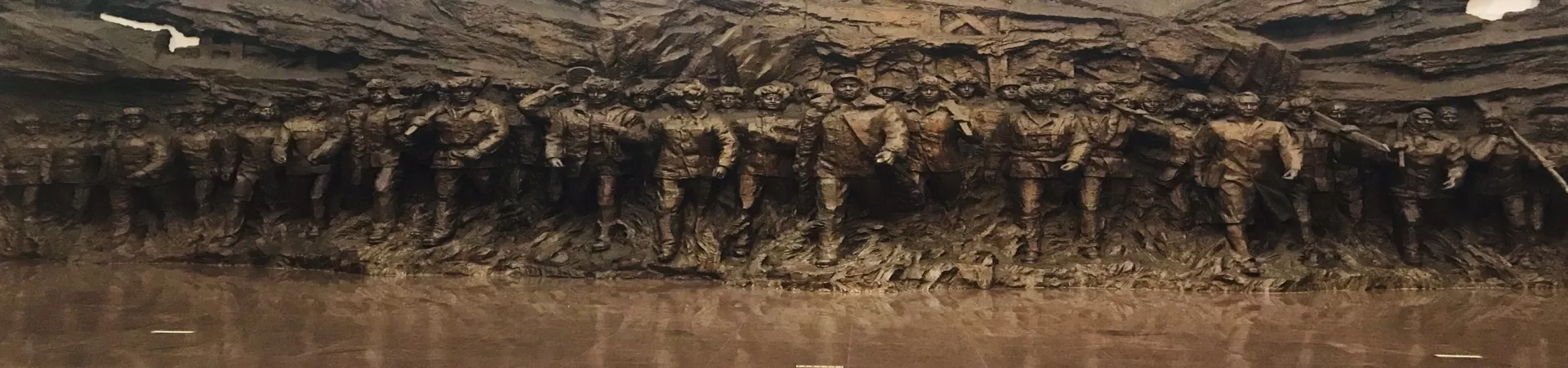
2.2. The Battle on the Northern Wilderness This is the heart of the memorial. Through powerful dioramas and historical film footage, visitors are transported to the harsh, frozen marshes of Daqing in 1960. You witness the extreme conditions: biting winds, deep mud, and scarce resources. The centerpiece of this section is the legendary event where, facing a critical drilling crisis and a lack of mixing equipment, Wang Jinxi led his team in using their own bodies to stir the cement slurry in the pit, preventing a dangerous blowout. This act of ultimate sacrifice epitomizes the "Iron Man Spirit." The exhibition also details his famous motto: "We would rather sacrifice 20 years of our life, and desperately fight to win the big oil field." Models of early drilling rigs, replicas of the simple "dry打垒" mud and grass houses where workers lived, and personal effects like worn coats and tools make the austerity and determination palpably real.
2.3. The Man Behind the Symbol Moving beyond the public hero, the memorial hall dedicates space to Wang Jinxi as a person. Photographs show him with his team, demonstrating his leadership style based on example and shared hardship. Letters and accounts reveal his deep sense of responsibility towards his fellow workers and his family. This section adds a crucial human dimension, showing that his drive was fueled not by blind obedience but by a genuine commitment to his comrades and his country's future. It explores how his health deteriorated due to years of overwork, leading to his premature death in 1970, which solidified his status as a martyr for industrial progress.
2.4. The Enduring Iron Man Spirit The final exhibition halls explore the legacy. They show how Wang Jinxi was held up as a national model, his spirit becoming a cornerstone of propaganda and inspiration for generations. The display extends to the continued development of the Daqing Oil Field and how the "Iron Man Spirit" is invoked in modern Chinese discourse on hard work and innovation. It raises questions about the relevance of such values in today's society, inviting visitors to reflect on the complex interplay between individual sacrifice and collective national achievement.
3. Practical Visitor Information To plan a seamless visit, please note the following essential details. The memorial hall is located in Daqing City, easily accessible by taxi or public bus. The official contact numbers are 0459-5935100 and 0459-5935111, which can be used for inquiries.
3.1. Opening Hours and Admission The memorial hall is open from 9:00 AM to 4:00 PM, Tuesday through Sunday, throughout the year. The last admission is at 4:00 PM. It is typically closed on Mondays for maintenance. For the most accurate and current information regarding admission fees, as policies may change, it is highly recommended to consult the official website (if available) or contact the memorial hall directly using the phone numbers provided above before your visit.
3.2. Suggested Duration and Tips A comprehensive visit to absorb the exhibits and the atmosphere generally requires between one to three hours. To enhance your experience, consider hiring an audio guide or joining a scheduled guided tour if offered, as they provide deeper contextual insights. The surrounding grounds often feature statues and supplementary displays, so allocating time to explore the exterior is also worthwhile. Given the memorial's solemn and educational nature, visitors are encouraged to maintain a respectful demeanor during their tour.
Information last updated: August 9, 2023. Credit is extended to the contributors from the Ma Fengwo travel community for their input.