Daqing Museum
Subtitle: A Journey Through Time in China's Oil Capital
1. Introduction: Gateway to the Pleistocene and the Petroleum Era
Nestled in the heart of Daqing, a city synonymous with China's modern industrial might, lies a portal to a far more ancient world. The Daqing Museum stands as a profound cultural institution that masterfully intertwines two grand narratives: the prehistoric saga of colossal beasts that once roamed the frozen plains and the monumental 20th-century story of oil discovery that shaped the nation's destiny. More than a conventional museum, it is a dynamic chronicle of natural history and human endeavor, offering visitors a unique, dual-perspective exploration of the region's identity—from its primordial origins to its foundational role in contemporary China.
2. Treasures from the Ice Age: The Mammoth and Rhinoceros Halls
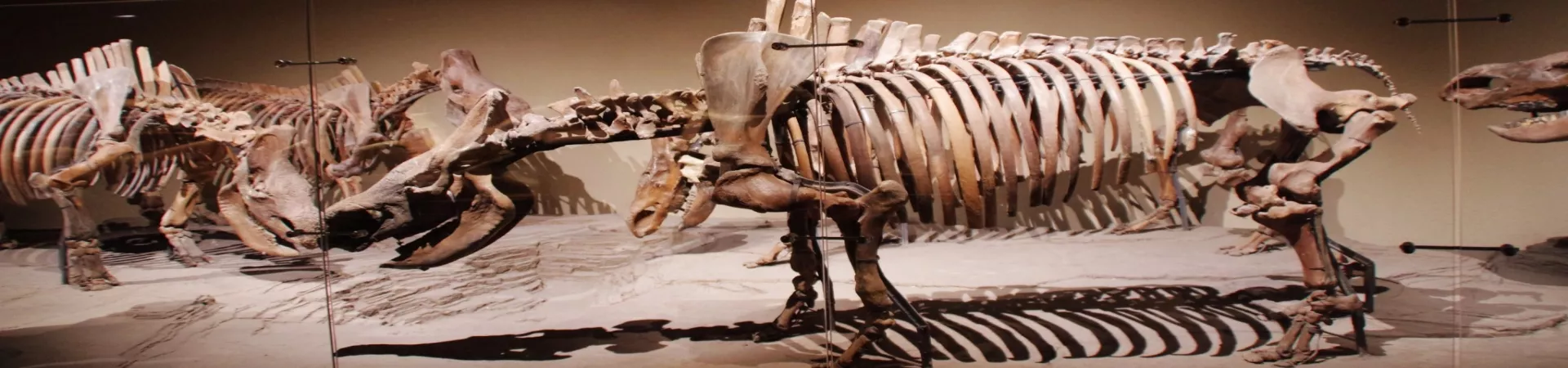
2.1. A World-Class Collection of Pleistocene Megafauna The museum's crown jewel and the core of its natural history section is its breathtaking collection of mammoth and woolly rhinoceros fossils. Daqing's location on the Songnen Plain has made it one of the world's richest graveyards for Pleistocene megafauna, preserved in the unique geological and climatic conditions following the last Ice Age. The museum houses one of the most complete and exquisitely preserved mammoth skeletons ever unearthed, a centerpiece that dominates the hall with its awe-inspiring scale. Alongside it, the remains of woolly rhinoceroses, giant elk, and other contemporary species are meticulously displayed, reconstructing an ecosystem that thrived over 10,000 years ago.
2.2. Scientific Significance and Immersive Displays Beyond mere exhibition, the halls are designed as immersive educational experiences. Detailed dioramas and advanced lighting recreate the chilly, grassy steppe environment of the Late Pleistocene. Interactive maps illustrate migration patterns and the extent of the mammoth's range. Explanatory panels, supported by paleontological research, delve into the anatomy, behavior, and eventual extinction of these magnificent creatures, inviting visitors to ponder the forces of climate change and natural selection. The presentation underscores the global scientific importance of these local discoveries, positioning Daqing as a key site for understanding this epoch.
3. The Daqing Spirit: Chronicles of an Oil Boom Town
3.1. From Wilderness to Industrial Heartland The museum's second, equally compelling narrative is dedicated to the epic of petroleum. This section chronicles the transformative discovery of the Daqing Oil Field in 1959, an event that broke China's dependence on foreign oil and fueled its industrial growth. The exhibition begins with the harsh conditions of the time, displaying authentic artifacts from the first exploration teams: simple tools, crude shelters, worn winter coats, and historical photographs that testify to the extreme challenges of "opening up the wilderness" in the bitter cold of Northeast China.
3.2. Technology, Society, and the "Iron Man" Legacy 3.2.1. The Iconic Figure of Wang Jinxi Central to this story is the celebration of the "Daqing Spirit," embodied by the national hero Wang Jinxi, known as "Iron Man." His dedication and famous quote, "Go ahead and get rid of poverty and backwardness in our country," became a rallying cry. The museum dedicates significant space to his life and work, featuring personal effects and dramatic recreations of key moments, such as the famous event where he and his crew manually mixed cement to avert a well blowout.
3.2.2. Evolution of Extraction and Urban Life The exhibition then guides visitors through the technological evolution of oil extraction, from early derricks to modern computerized operations. It also expands to show how the oil field gave birth to a entire city. Displays on the planned communities, schools, hospitals, and cultural life of the 1960s and 70s illustrate the creation of a comprehensive socialist society from the ground up, offering a fascinating slice of social history alongside the industrial one.
4. Practical Information for Your Visit
4.1. Opening Hours and Admission The Daqing Museum is open to the public from Tuesday to Sunday, throughout the year. Operating hours are from 9:00 AM to 4:30 PM, with the last admission permitted at 4:00 PM. The museum is closed on Mondays for maintenance. It is advisable to allocate at least two to three hours for a thorough visit to fully appreciate both major exhibitions.
4.2. Location and Accessibility Situated within the city's cultural district, the museum is easily accessible by public bus or taxi. Its modern architectural design, which often incorporates symbolic elements reflecting both its natural and industrial themes, makes it a landmark in itself. The interior is spacious, with clear signage in both Chinese and English, wheelchair-accessible pathways, and amenities such as rest areas and a gift shop.
4.3. Enhancing the Experience To maximize your visit, consider checking the museum's official website or contacting them for information on any temporary special exhibitions, which often focus on specific aspects of paleontology or local history. Guided tours in Chinese are frequently available, providing deeper context, while audio guides or detailed informational booklets may be offered for international visitors. The surrounding park area is also pleasant for a stroll, completing a contemplative journey from the age of mammoths to the making of a modern industrial icon.
Information last verified: August 11, 2023. Credits and contributions to earlier versions of this content are acknowledged to community editors including真实百姓, 贾维安, and Singyve Chao.