Wolf Lane Mysterious Valley
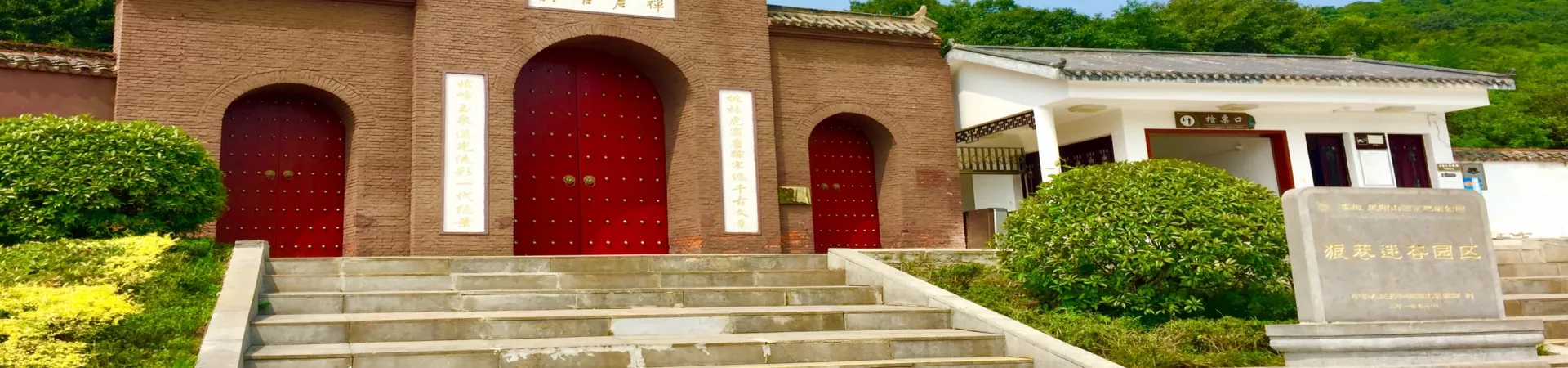
Subtitle: A Journey into the Ethereal Maze: Discovering Langxiang Migu in Chuzhou
1. Introduction: The Allure of the Wolf's Alley Maze Valley
Nestled within the scenic landscapes of Chuzhou, Anhui Province, lies a geological and spiritual marvel known as Langxiang Migu, or the Wolf's Alley Maze Valley. This captivating destination, whose name originates from the historical presence of wild wolves in its labyrinthine passages, offers a profound synthesis of natural grandeur and cultural depth. Designated as a National AAAA-level Tourist Attraction in 2007, the approximately 9-square-kilometer park masterfully blends serene Buddhist heritage with the thrill of exploring one of nature's most intricate puzzles. It is a place where the sublime elegance of Huangshan, the dramatic precipices of Huashan, and the surreal sandstone pillars of Zhangjiajie seem to converge into a uniquely compelling experience, inviting visitors on a journey of discovery, contemplation, and adventure.
2. The Geological Wonder: A Sculpted Maze of Stone and Light
2.1. A Labyrinthine Landscape The core identity of Langxiang Migu is defined by its extraordinarily complex topography. The valley is a vast, natural maze characterized by interconnected ravines, hidden streams, visible gullies, and secret crevices. Visitors navigating its paths will encounter a world where deep, narrow canyons frame the sky into a mere slit of light, while shallower sections open up to reveal layered vistas of sculpted rock formations. This intricate network of "linked gullies and interconnecting valleys" creates an immersive experience where one can truly feel enveloped by the ancient, silent power of the earth.
2.2. The Animated Rock Formations The grey-brown karst limestone rocks themselves are the valley's primary storytellers. Eons of wind and water erosion have carved them into a spectacular gallery of natural sculptures, each bursting with character and seeming intention. Visitors' imaginations will be ignited by shapes resembling a crocodile peering around a bend, a wolf blocking the path, or endless, stacked layers akin to the pages of a celestial book. These pitted and rugged formations exude a raw, primordial beauty, carrying the dignified grace of deep time.
2.3. Tenacious Life Amidst Stone Adding to the valley's poignant beauty is the resilient flora that clings to the bare rock. Trees and shrubs, having endured countless seasons, grow not tall and straight but with gnarled and twisted forms. Their very shapes are testaments to survival against wind, frost, and scorching sun. This indomitable will to live, displayed so vividly against the stark stone, offers a silent yet powerful inspiration on the perseverance of life.
3. Cultural and Historical Harmony: Chanku Temple and Buddhist Heritage
3.1. Chanku Temple: A Sanctuary Through Ages Complementing the wild natural scenery is the historic Chanku Temple, a Buddhist sanctuary that roots the site in spiritual tradition. Founded during the reign of Emperor Wu of the Han Dynasty, the temple provides not only a place for quiet reflection and prayer but also a tangible link to China's long and evolving Buddhist history. Its enduring presence adds a layer of serene cultural gravity to the adventurous spirit of the迷谷 (mí gǔ, maze valley).
3.2. The Sacred Chanku Cave Adjacent to the temple lies its namesake natural feature, the Chanku Cave. This sacred溶洞 (róng dòng, karst cave) presents a stunning subterranean world of stalactites, stalagmites, and stone curtains in fantastical forms. Exploring this cavern allows one to appreciate both the incredible artistry of natural geological processes and to delve into the site's significance as a historical center for Buddhist meditation and spiritual practice, creating a direct connection to the "roots" of the temple's cultural identity.
3.3. Legacy in Stone: Cliff Carvings and Literary Fame The area's cultural richness is further immortalized in the numerous摩崖石刻 (mó yá shí kè, cliff-face inscriptions) dating back to the Tang Dynasty and beyond. These carvings showcase diverse and skilled calligraphy styles and serve as historical records, capturing the admiration of scholars, poets, and artists throughout the centuries. The site's prestige is notably highlighted by the visit of the renowned Northern Song Dynasty literatus Su Shi (Su Dongpo), who personally inscribed the temple's name. A classical poem dedicated to the site captures its timeless charm: "In March, orioles sing amongst flowers covering the hills, / A warm celestial breeze flies through unbroken trees. / Who knows what year it is within the cave? / The rocks stand lofty, the water flows murmuring on."
4. Practical Information for Visitors
4.1. Ticketing and Operating Hours The standard admission ticket to Langxiang Migu Scenic Area is priced at 65 RMB. The park's operating hours vary by season: * Summer (June 1 - August 31): Open from 08:00 to 17:00, with last entry at 17:00. * Winter (December 1 - February 28/29 of the following year): Open from 08:00 to 16:30, with last entry at 16:30. Visitors are advised to verify the exact closing procedures at the ticket gate upon arrival.
4.2. Special Admission Policy As a gesture of gratitude, from the date of the scenic area's resumption of operations until December 31, 2024, medical personnel who aided in Hubei Province during the critical period can enjoy free admission upon presentation of their professional qualification certificate and personal ID card.
4.3. Contact Information For inquiries, visitors can contact the scenic area at: * Telephone: 0550-6356029 or 0550-6356049.
A visit to Langxiang Migu is thus a multifaceted expedition. It is an adventure through a breathtaking stone labyrinth, a peaceful retreat into historical spirituality, and an encounter with the awe-inspiring resilience of nature. Every twisted path, every weathered inscription, and every defiant tree contributes to an unforgettable narrative written in rock and time.