Mingzhongdu Drum Tower
Subtitle: A Journey to the Heart of Imperial History: The Drum Tower of Ming Zhongdu
1. Introduction: The Resonant Heart of an Ancient Capital Nestled in the very center of the county town stands a monumental testament to China’s imperial past—the Drum Tower of Ming Zhongdu. More than just an isolated structure, it served as a crucial auxiliary building within the complex of Zhongdu, the "Central Capital" briefly established during the early Ming Dynasty. This tower was not merely for keeping time; it was a symbol of imperial authority, order, and the architectural ambition of a nascent dynasty. Today, after centuries of change and a dedicated modern restoration, it rises once again as the focal point of a vibrant historical and cultural district, inviting visitors to step back into a chapter of China's grand narrative.
2. Architectural Grandeur and Historical Significance 2.1. The Imposing Platform: A Foundation of Power The first element to captivate any visitor is the tower's massive base, known as the drum platform. This substructure is an awe-inspiring feat of engineering, measuring 61.5 meters from north to south, 34.4 meters from east to west, and soaring to a height of 17 meters. Its sheer scale immediately communicates the importance and prestige of the institution it supported. The platform historically provided the elevated foundation necessary for the drum's sound to carry across the capital, announcing the time, marking ceremonies, and signaling important events to the city's inhabitants.
2.2. The Inscription: "The Foundation for All Ages" Dominating the facade above the main gate is a powerful inscription: four large, vigorous Chinese characters—"万世根本" (Wàn Shì Gēn Běn), which translates to "The Foundation for All Ages" or "The Root of Ten Thousand Generations." Crafted with bold, resilient strokes, this message is visible from hundreds of meters away. It encapsulates the philosophical and political vision of the Ming founders, asserting their desire to establish a dynasty and a societal order built on enduring principles, meant to last for millennia. This inscription transforms the tower from a functional building into a declarative monument of imperial ideology.
2.3. The 1995 Restoration: Reclaiming Lost Splendor By the mid-20th century, the original drum tower had been lost to time. Recognizing its immense cultural value, the local county government undertook a major reconstruction project in 1995. The goal was not just to build a new tower but to meticulously recreate its historical grandeur based on archaeological and historical records. The restored structure aims to embody ancient descriptions that praised its "triple-layered eaves," "hundred-foot-high pillars," and a form that was "majestic, soaring, and transcendentally refined, with a magnificent system and a splendid scale." This careful restoration has successfully resurrected the tower's majestic silhouette against the modern skyline.
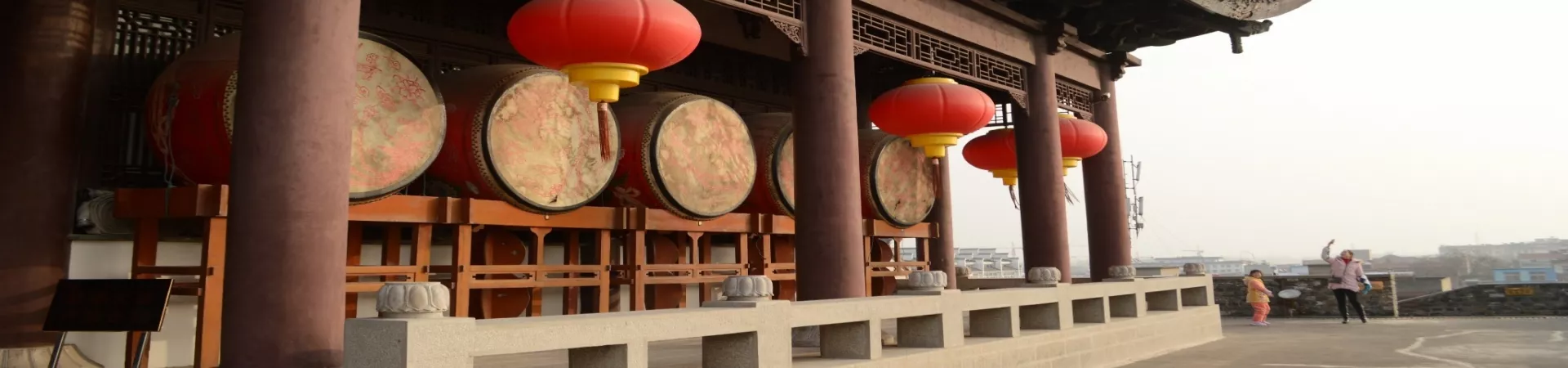
3. The Visitor Experience: Exploring the Drum Tower District 3.1. The Tower Itself: Panoramic Views and Historical Immersion Visitors can ascend the drum platform and explore the rebuilt tower. Inside, exhibitions often detail the history of Ming Zhongdu and the role of drum towers in traditional Chinese urban planning. The upper levels offer panoramic views of the surrounding county and the bustling仿古 (fǎng gǔ, antique-style) commercial district below, allowing one to appreciate the tower's central positioning. The atmosphere within, especially near the replica of the great drum, evokes the solemnity and public life of the Ming era.
3.2. The Surrounding Commercial Tourism District The local government has strategically developed the area encircling the Drum Tower into a cohesive and thriving仿古商业旅游区 (antique-style commercial tourism district). This zone features traditional-style architecture housing a variety of shops, restaurants serving local Anhui and Chuzhou cuisine, tea houses, and stalls selling handicrafts and souvenirs. The district is designed to complement the historical site, providing amenities and enhancing the cultural ambiance. It transforms a visit into a fuller experience where one can enjoy modern comforts within a setting that echoes the past, especially lively in the evenings when the tower and streets are illuminated.
4. Practical Travel Information 4.1. Getting to Chuzhou * By Train: The most convenient way to reach Chuzhou is by rail. Chuzhou Railway Station is a significant stop on the Beijing-Shanghai railway line. * From Nanjing: Express trains heading north from Nanjing Station take approximately 40 minutes. * From Bengbu: Trains traveling south from Bengbu take about 120 minutes. * Important Note: Due to Chuzhou's proximity to the major transport hub of Nanjing (only 66 km away, a mere 30-minute train ride), most direct express (快车 Kuàichē) and special express (特快 Tèkuài) long-distance trains do not stop at Chuzhou. Travelers coming from farther away should plan accordingly. * Alternative Route via Nanjing: A very efficient alternative is to travel first to Nanjing (easily accessible by high-speed train or flight to Nanjing Lukou International Airport). From Nanjing, proceed to the Jiangbei Long-distance Bus Station. Frequent buses depart for Chuzhou approximately every 15 minutes. The bus fare is around 10 RMB, and the journey takes about 1.5 hours. The Chuzhou Bus Terminal is conveniently located directly opposite the Chuzhou Railway Station.
4.2. Local Transportation in Chuzhou Once in Chuzhou, navigating the city is remarkably economical. Taxis are plentiful and inexpensive, with a starting fare of just 3 RMB. A taxi ride across much of the city center typically costs no more than 5 RMB, making it a very practical option for getting to the Drum Tower from the train or bus station.
4.3. Admission and Opening Hours * Ticket Price: 30 RMB per person. * Opening Hours: 08:00 - 18:00 daily (including weekends and public holidays). Last admission is at 17:40. These hours are generally consistent throughout the year (January 1st to December 31st). It is always advisable to verify the latest timings locally, especially during national holidays.
Information last updated: September 27, 2023.