Longxing Temple
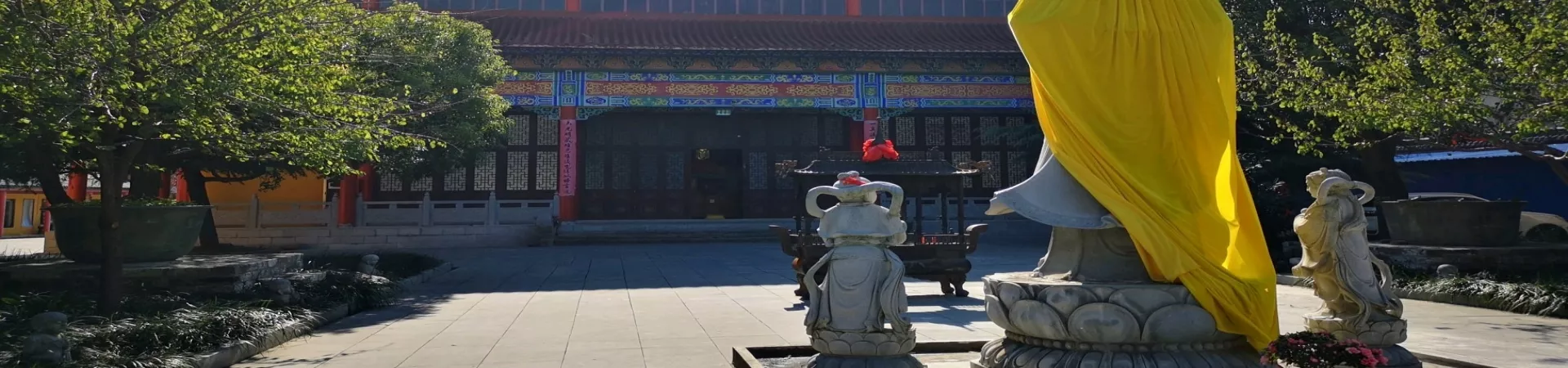
Subtitle: A Journey Through Time at Longxing Temple, the Monastery of an Emperor
Introduction: Where History and Spirituality Converge
Nestled at the foot of the Riyue Jing Peak (Sun and Moon Essence Peak) on Fenghuang Mountain (Phoenix Mountain) in the northern part of Chuzhou City, Anhui Province, lies Longxing Temple—a site of profound historical significance and serene beauty. More than just a 3A-level tourist attraction or a provincially protected cultural relic unit, this temple is a living narrative woven into the fabric of Chinese history. Its unique claim to fame is its deep connection to Zhu Yuanzhang, the founding emperor of the Ming Dynasty (1368-1644). Before ascending the throne, a young Zhu Yuanzhang is historically recorded to have spent a period as a novice monk within these very walls. This transformative chapter of his life imbues Longxing Temple with an extraordinary aura, transforming it from a mere religious site into a place where the earthly and the imperial, the spiritual and the strategic, intimately intertwine. A visit here is not simply a tour of ancient architecture; it is an immersive walk through a pivotal moment that shaped a nation.
I. The Historical Legacy: From Humble Monk to Hongwu Emperor
A. The Temple's Founding and Early Significance While the exact founding date of Longxing Temple is shrouded in the mists of time, its historical importance became irrevocably linked to the 14th century. During a time of social upheaval and famine, a young Zhu Yuanzhang, orphaned and destitute, sought refuge and sustenance at the temple (then known as Huangjue Temple or others). His time here as a novice was brief but crucially formative. The discipline, the worldview encountered within the monastery, and his subsequent travels as a mendicant monk profoundly influenced his character and his understanding of the common people's plight—a perspective that would later inform his governance.
B. Imperial Patronage and Transformation Following his establishment of the Ming Dynasty and taking the reign title Hongwu, Emperor Zhu Yuanzhang did not forget his spiritual roots. In 1383, he ordered the significant expansion and reconstruction of the temple that had once sheltered him, bestowing upon it the majestic name "Longxing Si" (龙兴寺), which translates to "Temple of the Dragon's Ascent" or "Temple of Imperial Rise." This name itself is a powerful testament to the site's role in his personal legend. The emperor's patronage ensured the temple's architectural grandeur, with halls constructed on a scale befitting its imperial connection. He also reportedly donated precious artifacts, including a statue of himself, further solidifying the temple's status as a monument to the emperor's extraordinary journey from monk to monarch. This act cemented Longxing Temple's dual identity: an active Buddhist monastery and a state-sanctioned memorial to dynastic origins.
II. Architectural and Cultural Highlights of the Temple Complex
A. Layout and Key Structures The temple complex is a classic example of traditional Chinese Buddhist monastery architecture, adapted to the mountainous terrain. Visitors typically approach along a path that builds anticipation before entering through the mountain gate. The layout generally follows a central axis, housing successive halls of increasing importance.
1. The Heavenly King Hall (Tianwang Dian) This initial major hall often houses statues of the Four Heavenly Kings, protectors of the Buddhist realm, and the welcoming Maitreya Buddha. It sets the tone for the spiritual journey within.
2. The Grand Hall (Daxiong Baodian) The heart of any Buddhist temple, this hall is dedicated to the worship of Sakyamuni Buddha. In Longxing Temple, this space holds deep significance, representing the core Buddhist teachings that would have surrounded the young Zhu Yuanzhang. The architectural details, from the intricate bracketing systems (dougong) under the eaves to the solemn atmosphere, speak to the craftsmanship of the Ming era and later periods.
3. The Imperial Connection Halls Unique to Longxing Temple are structures directly related to its history. This may include a dedicated hall housing relics from the Hongwu period or a stele pavilion containing inscriptions commissioned by the emperor. The presence of an "Emperor's Pavilion" or a hall displaying historical documents about Zhu Yuanzhang's life provides tangible links to the past.
B. Artistic Treasures and Artifacts Beyond architecture, the temple safeguards a collection of cultural artifacts. These may include ancient stone steles with inscriptions, Ming-era Buddhist statues (though many may be later replacements due to historical turmoil), and iron artifacts like bells or incense burners. Each piece contributes to the layered history of the site, from its religious functions to its imperial glory.
III. The Visitor Experience: Practical Information and Ambiance
A. Navigating the Temple Grounds The temple's location on Fenghuang Mountain offers more than historical exploration. The approach and the temple grounds themselves are integrated with the natural landscape. Visitors can enjoy tranquil walks amidst ancient trees, with the sounds of chanting and temple bells occasionally punctuating the air. The view from the higher points of the temple complex over parts of Chuzhou adds a geographical context to the historical narrative.
B. Essential Visitor Details * Admission Fee: The entrance ticket is priced at 30 RMB per person. * Operating Hours: The temple is open to the public daily from 09:00 to 16:00. These hours are consistent throughout the year, from January 1st to December 31st. It is always advisable to confirm these times locally before your visit, as special events or maintenance could occasionally lead to adjustments.
IV. Longxing Temple's Place in Context
A. Chuzhou and the Broader Historical Landscape Understanding Longxing Temple is enhanced by placing it within the wider context of Chuzhou and Chinese history. The temple stands as a powerful symbol of the Ming Dynasty's foundational myths. It complements other historical sites in Anhui related to the emperor's early life. Furthermore, as a Buddhist institution, it reflects the enduring relationship between Chinese imperial power and religious establishments, where patronage was often a means of legitimizing authority and demonstrating piety.
B. A Living Site of Worship Despite its fame as a tourist destination and historical monument, it is crucial to remember that Longxing Temple remains an active place of Buddhist worship. Monks reside within the complex, daily rituals are performed, and the temple participates in the annual cycle of Buddhist festivals. Visitors are encouraged to observe respectfully, maintaining a quiet demeanor within the main halls, thereby preserving the sanctity of the space while appreciating its historical dimensions. This living aspect adds a rich, contemporary layer to the ancient stones, creating a multifaceted experience where the past is not merely observed but felt in the present moment.