Langya Temple
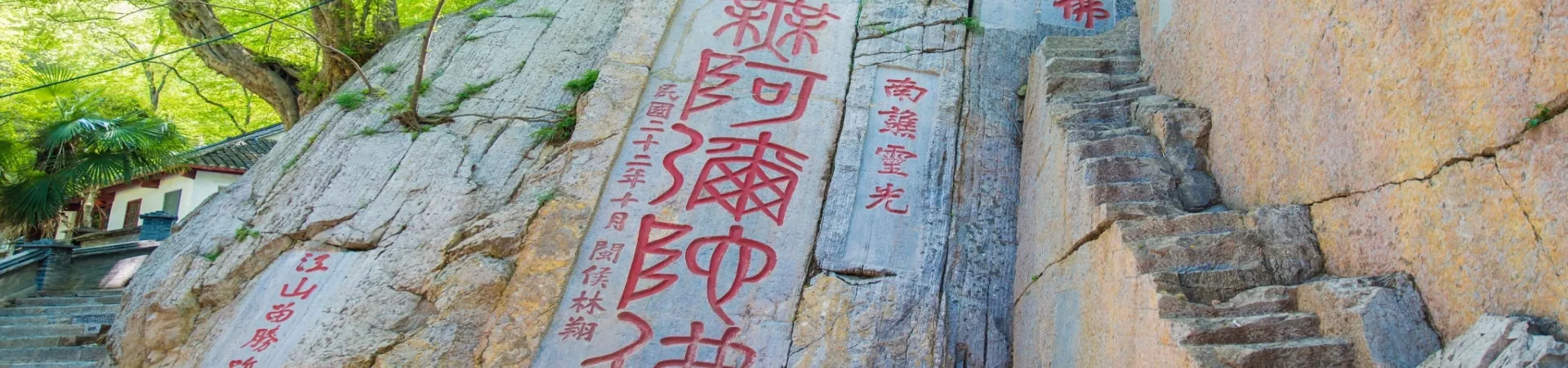
Subtitle: A Journey into Serenity and History at Langya Temple
Introduction: The Gateway to Tranquility
Nestled within the scenic embrace of Langya Mountain in Chuzhou, Anhui Province, the ancient Langya Temple stands as a testament to time, offering a profound escape into a world of historical reverence and natural beauty. Far from the bustling crowds of more commercialized sites, this temple complex is a sanctuary of peace, where the whispers of the past mingle with the rustling leaves of ancient trees. A visit here is less a standard tourist activity and more a personal pilgrimage into the heart of Chinese Buddhist culture and classical landscape aesthetics. The journey begins not at the temple gate itself, but at a symbolic architectural prelude that sets the tone for the entire experience.
Section 1: The Approach - "The Path Unfolds"
1.1 The Archway of Philosophical Transition The approach to Langya Temple is an integral part of its charm. Visitors first encounter a majestic, arching gatehouse constructed from weathered bluestone, standing guard between two hills. This is not merely an entrance but a philosophical marker. Emblazoned across its lintel are four large, carved characters: "峰回路转" (Fēng Huí Lù Zhuǎn). This idiom, meaning "the path winds along mountain ridges," poetically suggests a turning point or a shift in perspective. Passing under this archway is symbolic; it represents leaving the mundane world behind and transitioning into a realm of spiritual and scenic contemplation.
1.2 The Canopied Ancient Path Beyond the gate unfolds a serene, stone-paved path that feels like a passage through time. This ancient trail is enveloped by a majestic canopy of towering, old-growth trees, their gnarled branches intertwining overhead to filter the sunlight into dappled patterns on the ground. The air is cool and carries the earthy scent of moss and stone. The profound quiet here is broken only by the sound of footsteps, distant birdsong, and the wind sighing through the leaves. This tranquil walk, lasting several minutes, serves as a perfect mental preparation, gradually stripping away the noise of modern life and attuning the senses to the temple's serene atmosphere.
Section 2: The Temple Complex - "Architecture and Atmosphere"
2.1 A Layout in Harmony with Nature Unlike some grandiose imperial temples, Langya Temple exhibits a more organic, understated elegance. Its halls and courtyards are thoughtfully arranged to follow the natural contours of the mountainside, creating a seamless integration between human artistry and the rugged landscape. The architecture is classic Ming and Qing in style, with sweeping roofs adorned with simple yet elegant ornaments, dark wooden beams, and walls faded to soft hues by centuries of sun and rain. The overall impression is one of dignified age and harmonious balance.
2.2 An Oasis of Quiet Contemplation One of the temple's most defining characteristics is its captivating stillness. The relative lack of large tourist crowds is a blessing, preserving an ambiance of authentic tranquility. Within the courtyards, you might find a monk quietly going about his duties, or a lone visitor deep in meditation before a Buddha statue. The atmosphere encourages slow wandering, quiet reflection, and simply being present. This serene environment allows visitors to fully appreciate the intricate details of wood carvings, stone steles, and the timeless beauty of the temple's setting against the lush, green backdrop of Langya Mountain.
Section 3: Practical Information for Visitors
3.1 Admission and Ticketing Access to Langya Temple is included with the general admission ticket to the Langya Mountain Scenic Area. It is important to note that there is no separate ticket for the temple itself. * Peak Season (March 1 - November 30): The entrance fee is 95 RMB. * Off-Peak Season (December 1 - End of February): The entrance fee is 80 RMB. The scenic area offers several preferential policies: * Free Admission: Applicable to children under a specific height (typically 1.2 meters or below), senior residents of Anhui Province aged 70 and above, and active military personnel stationed in Chuzhou. * Half-Price Tickets: Available for students (with valid ID) and military personnel (with valid ID). * Annual Pass: Residents of Chuzhou city can apply for an annual pass upon presentation of their local ID card.
3.2 Opening Hours and Best Time to Visit Langya Temple itself is accessible daily, year-round. The scenic area's gates are open 24 hours, though temple hall interiors may follow a more traditional dawn-to-dusk schedule. For the most atmospheric experience, early morning or late afternoon visits are highly recommended. These times offer the softest light for photography, the coolest temperatures for walking the ancient path, and the highest likelihood of enjoying the temple's solitude. Each season paints the temple in different colors, from the vibrant greens of spring and summer to the fiery hues of autumn and the stark, elegant beauty of winter.
3.3 Contact Information and Duration For any specific inquiries, particularly regarding group visits or special arrangements, you may contact the Langya Mountain Scenic Area management office. * Telephone: 0550-3512999 or 0550-3513478. A complete visit to Langya Temple, including the walk from the main gate and a leisurely exploration of the grounds, typically requires 1 to 3 hours. However, many visitors find themselves lingering longer, drawn in by the peaceful ambiance and choosing to sit quietly in a courtyard or explore the connecting trails on the mountainside. It is advisable to wear comfortable walking shoes and carry water, especially if planning to explore the wider scenic area.