Chuzhou Flower Expo Park
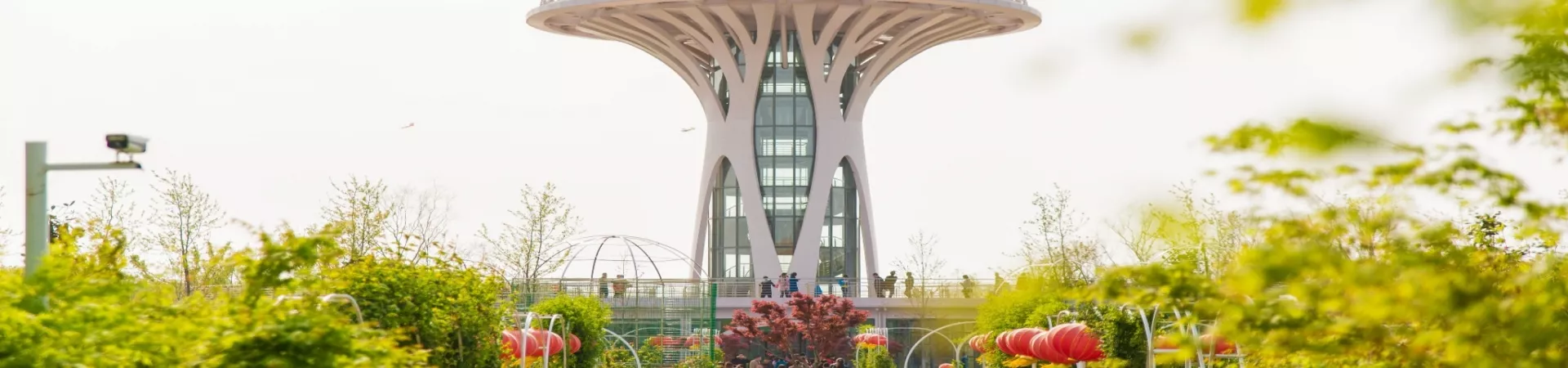
Subtitle: A Comprehensive Visitor's Guide to Chuzhou Flower Expo Garden: Blossoms, Culture, and Tranquility in Anhui
Introduction: An Oasis of Floral Splendor Nestled within the historic and culturally rich city of Chuzhou in Anhui Province, the Chuzhou Flower Expo Garden (Chuzhou Huaboyuan) stands as a vibrant testament to the beauty and diversity of the botanical world. More than just a park or a garden, it is a meticulously curated landscape where horticultural artistry, ecological education, and serene leisure converge. Designed as a permanent venue celebrating flora, the garden offers a captivating escape from urban bustle, inviting visitors to wander through themed zones, marvel at seasonal floral spectacles, and immerse themselves in a peaceful environment that changes its palette with the turning of the seasons. Whether you are a passionate botanist, a photography enthusiast, a family seeking a weekend retreat, or a traveler exploring the charms of Anhui, the Flower Expo Garden presents a multifaceted experience that delights the senses and soothes the soul.
Planning Your Visit: Essential Practical Information
1. Location and Accessibility The Chuzhou Flower Expo Garden is strategically located to be easily accessible both from within Chuzhou and from major neighboring cities like Hefei and Nanjing. Its specific address is typically within the southern new district or a dedicated ecological zone of Chuzhou. Visitors can reach the garden via: * Public Transport: Multiple city bus lines have stops near the garden's entrances. The expanding Chuzhou public transit system makes this an economical and straightforward option. * Private Vehicle: The garden is well-connected by road. Ample parking space is available on-site for cars and tourist buses, making it convenient for self-drive trips and group tours. * Taxi/Rideshare: Widely available throughout Chuzhou, offering a direct and flexible way to reach the garden gates.
2. Operating Hours and Best Times to Visit The garden operates on a visitor-friendly schedule designed to accommodate both early birds and those enjoying evening strolls. * Daily Opening Hours: The garden is open from 7:00 AM to 9:30 PM daily throughout the year. * Seasonal Considerations: The "best" time to visit is profoundly influenced by your floral preferences. Spring (March-May) is unparalleled for cherry blossoms, tulips, and peonies, painting the garden in soft pastels. Summer (June-August) brings forth lush greenery, lotus flowers blooming on water features, and vibrant roses. Autumn (September-November) showcases the fiery hues of chrysanthemums and the golden tones of ginkgo and maple trees. Winter (December-February) has its own stark beauty, with evergreen pines and the occasional delicate bloom of wintersweet, and the garden often hosts festive decorations for the Chinese New Year period. * Time of Day: Mornings offer softer light for photography and a quieter atmosphere. Evening visits, especially in summer, are pleasant as temperatures cool and landscape lighting creates a magical ambiance.
3. Ticketing and Contact Information * Admission: A modest entrance fee is charged, which contributes to the garden's maintenance and development. Discounts are commonly available for children, students, seniors (typically over 60 or 65), and groups. It is advisable to check for any online ticketing platforms or combo deals before your visit. * For Inquiries: Should you require specific information regarding events, accessibility, or group bookings, you can contact the garden administration at 133-9960-6795.
Exploring the Garden: Zones and Highlights
1. Thematic Garden Zones The garden's layout is intelligently divided into distinct thematic areas, each offering a unique horticultural narrative. * International Flower Exhibition Zone: This zone features garden styles and plant collections from various countries and regions, offering a global tour of gardening aesthetics and exotic species. * Chinese Classical Garden Zone: Reflecting the profound artistry of traditional Chinese garden design, this area incorporates elements like pavilions, winding paths, miniature mountains, and water features, often dedicated to specific Chinese flowers like peonies or orchids, embodying poetic and philosophical concepts. * Ecological Wetland Zone: A crucial part of the garden's ecosystem, this zone focuses on native aquatic plants, purification processes, and providing a habitat for birds and insects. Boardwalks allow visitors to explore this fragile environment responsibly. * Greenhouse and Rare Plant Conservatory: A climate-controlled haven showcasing tropical and subtropical plants, rare succulents, orchids, and other species that cannot thrive outdoors in Chuzhou's climate. It's a year-round attraction of vibrant colors and unusual forms. * Children's Discovery Garden: Designed for younger visitors, this interactive area may include maze hedges, playful topiaries, educational plots about plant growth, and safe play structures, making the garden experience engaging for families.
2. Annual Events and Seasonal Festivals The garden's calendar is punctuated by major events that transform it into a festival ground. * Spring Tulip Festival: A massive display of hundreds of thousands of tulips in myriad varieties and colors, often arranged in stunning patterns across vast lawns. * Chrysanthemum Art Festival in Autumn: An exhibition highlighting the chrysanthemum, a flower deeply symbolic in Chinese culture, presented through intricate potted sculptures, cascading displays, and artistic arrangements. * Horticultural Exhibitions and Competitions: Regular events that showcase the work of professional and amateur gardeners, featuring bonsai, potted landscapes, and floral arrangement contests.
Visitor Experience and Amenities
1. Dining and Refreshments Scattered throughout the garden are several options for sustenance: * Courtyard Teahouses: Located within the classical garden zones, offering a chance to rest with a cup of local tea while enjoying serene views. * Fast-Food Kiosks and Cafes: Providing quick snacks, beverages, ice cream, and light meals at convenient intervals along the main routes. * Picnic Areas: Designated grassy areas where families and groups are welcome to bring their own food and enjoy an outdoor meal amidst the flowers (visitors are expected to take all waste with them).
2. Facilities and Services The garden is equipped to ensure a comfortable visit for all: * Rest Areas: Numerous benches, shaded pergolas, and pavilions are strategically placed for rest and contemplation. * Clean Restrooms: Well-maintained facilities are available in all major zones. * Accessibility: Main pathways are generally paved and wheelchair-accessible, though some secondary paths in rockery or wetland areas may be less so. * Gift Shops: Selling souvenirs, local handicrafts, seeds, potted plants, and gardening tools.
3. Photography and Etiquette The garden is a paradise for photographers. To ensure its beauty is preserved for all: * Stay on Designated Paths: Avoid trampling flower beds or grassy exhibition areas to protect the plants. * Admire with Your Eyes, Not Your Hands: Picking flowers or damaging plants is strictly prohibited. * Manage Waste: Use the trash and recycling bins provided throughout the park. * Respect the Silence: While not a library, the garden is a place for peaceful enjoyment; keeping noise levels considerate enhances everyone's experience.