Zuojiang Leaning Tower
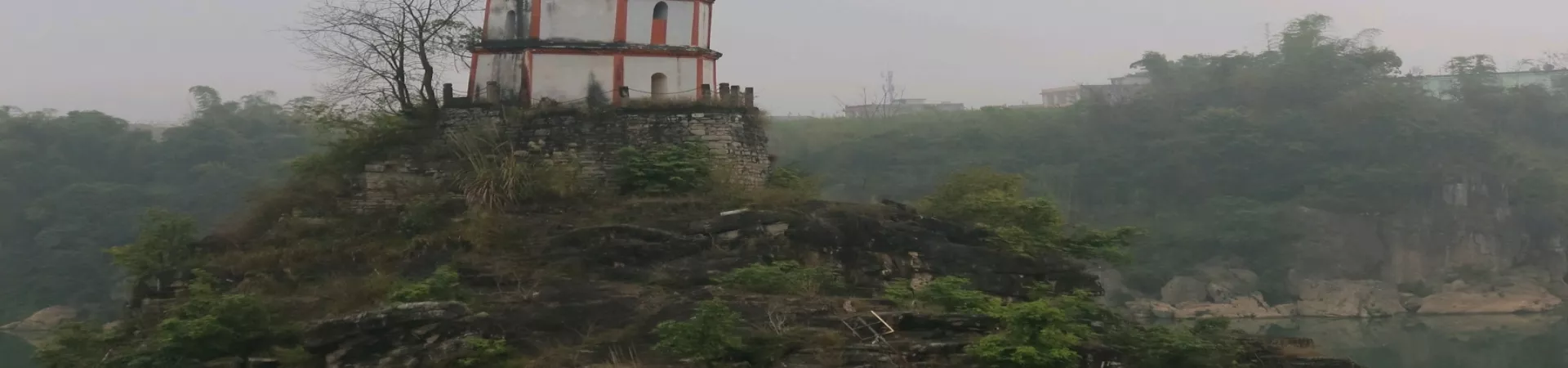
Subtitle: A Leaning Marvel in the Subtropical Karst: Unveiling the Mysteries of Chongzuo's Inclined Pagoda
Introduction: A Defiant Architectural Anomaly
Nestled within the serene, jade-green embrace of the Zuojiang River in Guangxi's Chongzuo City, there exists a structure that defies both conventional engineering and the relentless pull of gravity itself. This is the Zuojiang Inclined Pagoda, a singular architectural wonder that stands not in perpendicular perfection, but in a captivating, deliberate lean. Far from the bustling crowds of more famous Chinese landmarks, this pagoda offers a unique blend of historical intrigue, ingenious craftsmanship, and breathtaking natural scenery. It is a testament to the adaptability and wisdom of ancient builders, a silent guardian of the river for centuries, and a compelling destination for travelers seeking to uncover the lesser-known gems of China's profound cultural landscape.
1. Historical Context and Architectural Significance
1.1. Origins Amidst the Ming Dynasty The Zuojiang Inclined Pagoda, also known locally as the Gui Long (Returning Dragon) Pagoda, traces its origins back to the Ming Dynasty, with its construction believed to have been completed during the Tianqi reign period (1621-1627). Unlike pagodas built solely for religious worship, this structure served a dual, pragmatic purpose. Its primary function was as a fengshui pagoda, erected to stabilize the local geomantic forces and bless the surrounding lands and waterways with peace and prosperity. Secondly, it acted as a navigational beacon for boats plying the Zuojiang River, its distinct form providing a recognizable landmark for sailors.
1.2. Deconstructing the Deliberate Lean The pagoda's most striking feature is, unequivocally, its inclination. Standing approximately 28 meters tall with five hexagonal stories, it leans at a noticeable angle toward the river. A common misconception is that this lean is the result of subsidence or structural failure. However, historical records and architectural analysis reveal a far more fascinating truth: the lean was largely intentional. The ancient architects, demonstrating remarkable foresight and understanding of their environment, calculated the soft, alluvial soil conditions of the riverbank. They intentionally designed the pagoda's foundation and center of gravity to counteract the potential sinking and erosion from the river's currents, preemptively leaning it inland to ensure its long-term stability. This ingenious "pre-correction" has allowed the pagoda to stand resilient for nearly four hundred years.
2. Experiencing the Pagoda and Its Environs
2.1. A Journey to the Site The pagoda is situated on a small hill named Shigu Hill (Lion's Head Hill) on the eastern bank of the Zuojiang River. The journey to Chongzuo itself is a passage through stunning karst topography. Upon arrival, visitors are greeted by the picturesque sight of the ivory-white pagoda, contrasted against the lush greenery of subtropical vegetation and the tranquil blue waters of the river. The setting is one of profound peace, often accompanied only by the sounds of birds and the gentle flow of the water.
2.2. Architectural Details and Interior Constructed from blue brick and featuring traditional dougong (bracket set) eaves, the pagoda exemplifies Ming-era architectural aesthetics. Each tier of the pagoda features arched doorways and miniature windows. While interior access to the upper floors may be restricted to preserve the structure, the base and surrounding platform offer ample opportunity for close inspection. The bricks, worn smooth by centuries of wind and rain, and the subtle carvings on the lintels, speak volumes of its age. The visual experience of gazing up along its inclined axis is both disorienting and awe-inspiring, creating a unique photographic perspective impossible to find with vertical structures.
2.3. The Riverside Panorama The true magic of the visit unfolds when one steps back to absorb the full panorama. The pagoda, the river, and the iconic karst mountains—characteristic of the Guangxi region—form a harmonious composition straight out of a classical Chinese painting. Taking a short boat ride on the Zuojiang River provides the best vantage point. From the water, the pagoda's reflection shimmers on the surface, and its lean in relation to the hills behind becomes dramatically apparent. This holistic view encapsulates the perfect marriage of human ingenuity and natural beauty.
3. Practical Information for Visitors
3.1. Location and Accessibility The Zuojiang Inclined Pagoda is located in Jiangzhou District, Chongzuo City, Guangxi Zhuang Autonomous Region. It is approximately a 2-hour drive from Nanning, the regional capital. Visitors can take a high-speed train or long-distance bus to Chongzuo, followed by a local taxi or ride-sharing service to the specific site. The final approach is scenic, winding through rural landscapes.
3.2. Opening Hours and Best Time to Visit The site is open to the public daily from 09:00 to 17:00. It is advisable to allocate 1.5 to 2 hours for a thorough visit, including time for photography and a stroll along the riverbank. The subtropical climate means the area is visitable year-round. However, spring (March to May) and autumn (September to November) offer the most pleasant temperatures and clear skies. The early morning or late afternoon light provides exceptional conditions for photography, casting long shadows and enriching the colors of the bricks and the landscape.
3.3. Cultural Etiquette and Preservation As a protected cultural heritage site, visitors are encouraged to respect the pagoda and its surroundings. Refrain from climbing on restricted areas, carving graffiti, or leaving litter. The site's tranquility is part of its charm; maintaining a respectful noise level enhances the experience for all. Engaging with local guides, if available, can provide deeper insights into the folklore and history not found in standard brochures.
4. Beyond the Pagoda: Exploring Chongzuo A trip to see the Inclined Pagoda can be seamlessly integrated into a broader exploration of Chongzuo's remarkable assets. The city is a gateway to some of China's most spectacular borderland scenery and ethnic culture.
4.1. Detian Transnational Waterfall Located about a 90-minute drive from the pagoda, this is one of Asia's largest and most impressive waterfalls. It straddles the border between China and Vietnam, creating a thunderous, misty spectacle amidst a sea of karst peaks.
4.2. Ming Shi Tian Yuan (Fairy Farm) This area showcases the breathtaking "sky farm" phenomenon, where rice paddies are cultivated in circular, winding terraces nestled between karst pinnacles, creating a surreal and beautiful agricultural landscape.
4.3. Ethnic Culture of the Zhuang People Chongzuo is a heartland of the Zhuang ethnic group, China's largest minority. Visitors may have opportunities to appreciate Zhuang customs, architecture (like the distinctive stilted houses), and potentially sample local cuisine, which features flavors from both Guangxi and neighboring Vietnam.
In essence, the Zuojiang Inclined Pagoda is far more than an architectural curiosity; it is a dialogue between human intellect and the natural world, frozen in brick and mortar. It invites contemplation, rewards the curious traveler with its unique story, and serves as a serene and profound centerpiece for discovering the understated wonders of Southern Guangxi.
Information last updated: March 8, 2023. Credit and thanks to contributor Chen Chen for collaborative input.