Huashan Rock Painting Scenic Area
Subtitle: Unveiling the Mysteries of a 2,000-Year-Old Canvas on the Zuojiang River
1. Introduction to the Site Nestled along the majestic Zuojiang River in Chongzuo, Guangxi Zhuang Autonomous Region, the Huashan Rock Art Cultural Landscape stands as a monumental testament to the creativity and spiritual life of the ancient Luoyue people, ancestors of the Zhuang ethnic group. Inscribed on the UNESCO World Heritage List in 2016, this site is renowned globally for its breathtaking collection of crimson paintings that adorn the towering limestone cliffs. It represents the largest, most content-rich, and best-preserved single site of prehistoric rock art ever discovered in China. More than just an archaeological wonder, Huashan offers a profound journey into a mysterious past, set against a backdrop of stunning karst topography and vibrant living cultural traditions.
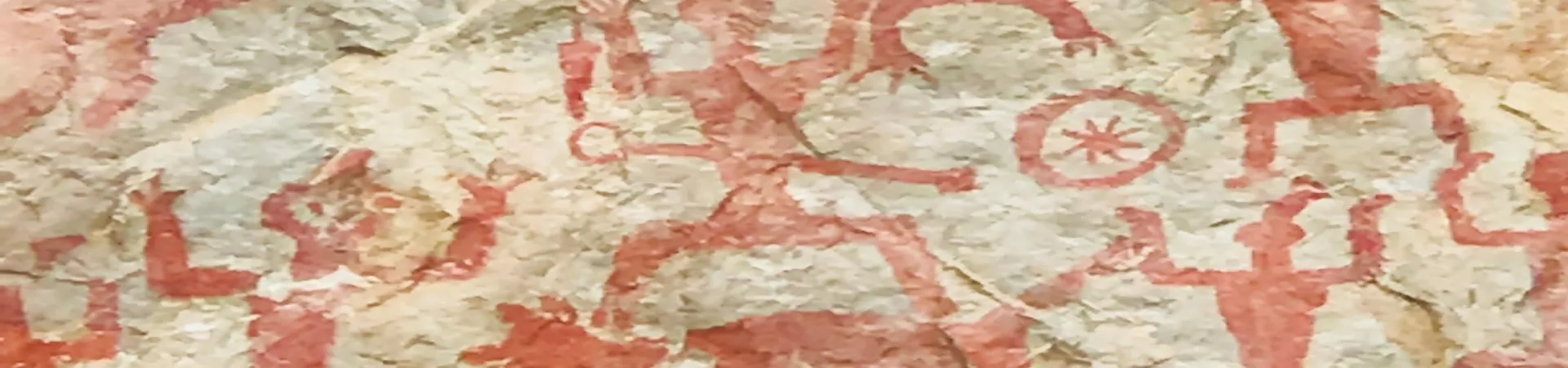
2. The Enigmatic Rock Art: A World Heritage Masterpiece 2.1. Scale, Imagery, and Preservation The core wonder of Huashan lies in its nearly 200-meter-wide and 40-meter-high main cliff face, which hosts over 1,800 identifiable figures painted in a distinctive red ochre pigment. The paintings are spread across approximately 8,000 square meters. The dominant motifs are stylized human figures in a squatting posture with arms raised, often interpreted as warriors, dancers, or figures in ritual ceremony. These are accompanied by depictions of bronze drums (symbols of power and communication), dogs, birds, and blades. The sheer scale is awe-inspiring; the largest human figure stands over 3 meters tall. Remarkably, despite exposure to the elements for over two millennia, the vibrancy and clarity of many paintings persist, a testament to the enduring quality of the ancient pigments and the protective overhang of the cliff.
2.2. The Enduring Mysteries The Huashan Rock Art is shrouded in compelling mysteries that continue to intrigue archaeologists, historians, and visitors alike. Key unanswered questions contribute to its title as an "eternal puzzle": * Purpose and Meaning: What was the precise intent behind these paintings? Prevailing theories suggest they were part of grand sacrificial rituals, celebrations of victories, or prayers to river gods for fertility and protection. The exact narrative, however, remains elusive. * Techniques of Creation: How did the Luoyue artists execute these paintings on such steep, inaccessible cliffs? The methods used for scaffolding or rope access, as well as the precise composition of the durable red pigment (believed to be a mixture of hematite, animal blood, and plant glue), are subjects of ongoing research. * Dating the Artwork: Pinpointing the exact creation period has been archaeologically challenging. Current consensus, based on stylistic analysis of the depicted bronze drums and weapons, places the main period of creation between the 5th century BCE and the 2nd century CE, spanning the Warring States period to the Eastern Han Dynasty.
3. The Living Cultural Context: Villages as Museums 3.1. Traditional Villages of Laijiang and Bayao The cultural significance of Huashan extends beyond the static paintings on the rock. The nearby villages of Laijiang Tun and Bayao Tun, traditional Zhuang communities, are integral to the site's value. Often described as a "living museum of the rock art," these villages maintain architectural styles, agricultural practices, and folk customs that echo the legacy of the Luoyue. Their stilted houses, built harmoniously along the riverbank and against the hills, create a picturesque scene where human settlement complements the natural beauty. The villages offer an authentic glimpse into the enduring ethnic culture that descended from the very creators of the cliffs' art.
3.2. Landscape Integration The site is a masterpiece of human-nature synergy. The paintings are not randomly placed but are strategically located on impressive riverine cliffs, facing broad stretches of the Zuojiang River and its fertile floodplains. This setting suggests a deep cosmological connection between the art, the river (a source of life and a potential spiritual pathway), and the surrounding karst peaks. A boat tour on the river is the primary and most impactful way to appreciate this relationship, allowing visitors to fully grasp the scale and chosen context of the ancient artists' work.
4. Practical Visitor Information 4.1. Location and Access Huashan Rock Art is located in Ningming County, Chongzuo City. The most common access route involves traveling to Chongzuo or Nanning first. From the visitor center, access to the primary painting panels is exclusively by boat on the Zuojiang River. There is no direct pedestrian access to the cliff face itself. The boat journey is part of the experience, offering panoramic views.
4.2. Tickets and Operating Hours * Opening Hours: 8:30 AM - 4:30 PM daily. Last boat departure to the site is typically at 3:00 PM. * Admission Fees: * Scenic Area Entrance Ticket: Approximately 80 RMB for adults. * Boat Ticket: Approximately 90 RMB for adults (mandatory for viewing the main panels). * Combined tickets are usually available. * Discount Policies: Concessionary rates are offered. Typically, these include: * Free admission for children under 1 meter in height. * Half-price tickets for children between 1-1.4 meters, seniors over 65 (with ID), and holders of certain disability certificates. * Discounts (e.g., 20% off) for active military personnel and seniors. * Free admission for accredited journalists (with valid press card) and possibly holders of certain high-level disability certificates. It is advisable to verify the latest policies with official sources and present relevant original credentials.
4.3. Suggested Visit Duration and Tips A complete visit, including transportation to the area, the boat ride, viewing, and return, requires a minimum of 3-4 hours. Planning for a half-day is recommended. * Best Time to Visit: Spring and autumn offer pleasant weather. The river level can affect access, so checking conditions in advance is wise. * What to Bring: Sun protection (hat, sunscreen), water, comfortable shoes for walking around the visitor areas and village paths, and a camera. Binoculars can enhance the viewing of the high-up paintings from the boat. * Contact: For the most current information, you can contact the scenic area at +86 771 8610299.
Information last updated: August 2023.