Former site of the French Consulate
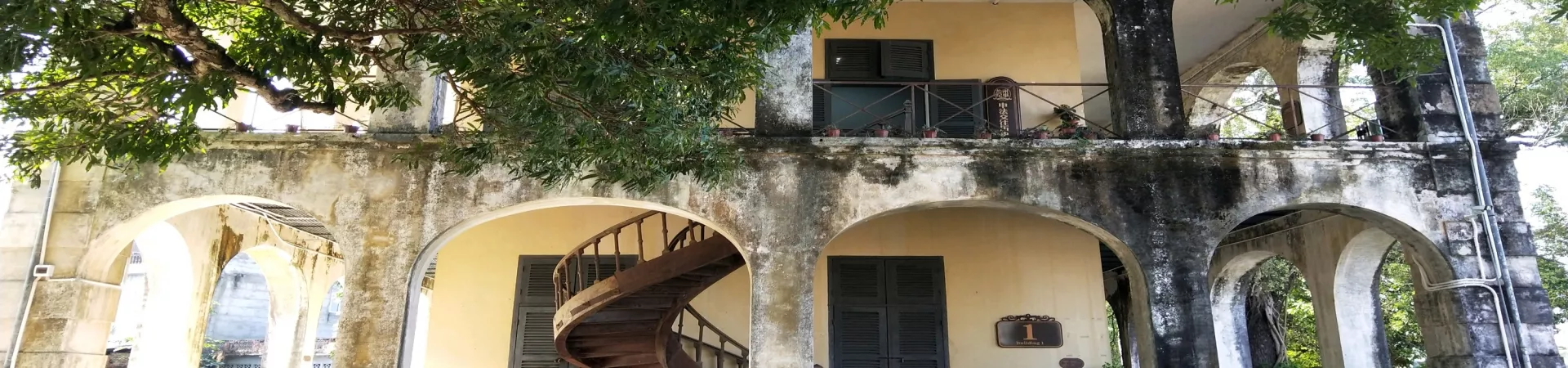
Subtitle: A Journey Through Time: Exploring the Former French Consulate in Chongzuo
Introduction: A Portal to the Past
Nestled within the modern cityscape of Chongzuo, in China's Guangxi Zhuang Autonomous Region, stands a silent yet eloquent testament to a complex chapter of history—the Former French Consulate. This architectural relic, far more than just an old building, serves as a tangible portal to the late Qing Dynasty era, a period marked by significant foreign influence and cultural exchange. For the discerning visitor, a trip here is not merely a sightseeing stop but an immersive journey into the nuanced interplay of Eastern and Western cultures at a pivotal historical juncture. The site offers a unique opportunity to appreciate distinctive French colonial architecture, sense the lingering atmosphere of a bygone diplomatic outpost, and contemplate the profound transformations that have shaped this border region.
1. Historical Context and Significance
1.1. The Setting: Late 19th Century Sino-French Relations To fully appreciate the consulate's significance, one must understand its historical backdrop. The latter half of the 19th century saw increasing European imperial expansion into Southeast Asia. France, having established French Indochina (encompassing modern Vietnam, Laos, and Cambodia), sought to consolidate its influence and secure trade routes into Southern China. Guangxi, sharing a border with Vietnam, became a focal point of these ambitions. The establishment of a French consulate in Chongzuo (then known as Longzhou) around the turn of the 20th century was a direct manifestation of this geopolitical strategy. It functioned as a key diplomatic, commercial, and intelligence-gathering node for France in this strategic corridor.
1.2. The Consulate's Role and Legacy This building was more than an administrative office; it was a symbol of power and a center for cross-cultural interaction—however asymmetrical the power dynamics might have been. It oversaw affairs related to border trade, missionary activities, and diplomatic negotiations. Its presence indelibly marked the region, influencing local architecture, commerce, and even aspects of daily life. Today, stripped of its original political function, the consulate stands as a monument to this intricate history, inviting reflection on colonialism, cultural exchange, and resilience.
2. Architectural Exploration: A Fusion of Styles
2.1. Exterior Facade and French Colonial Design The building immediately captivates with its distinct French Colonial architectural style, adapted to the subtropical climate of Guangxi. Key features likely include: * Symmetrical Layout and Grandeur: A formal, balanced facade that conveys institutional authority. * Arched Doorways and Windows: Elegant semicircular arches, a hallmark of European classical influence, which also aid in ventilation. * Sturdy Columns and Verandas: Wide, shaded verandas or galleries supported by robust columns, designed to provide respite from the sun and rain—a typical adaptation of European styles in Southeast Asia. * Yellow-Washed Walls and Green Shutters: A classic color scheme often associated with French colonial buildings in Indochina, offering a picturesque and photogenic contrast.
2.2. Interior Layout and Spatial Narrative While the interior may be sparsely furnished or adapted for exhibition purposes, its layout tells its own story. One can imagine: * High Ceilings and Spacious Rooms: Designed to promote air circulation in the humid climate, creating a sense of lofty, formal space. * Functional Zoning: Distinct areas for official business, consular residences, and servant quarters, reflecting the strict social hierarchies of the time. * Material and Craftsmanship: The use of local brick and timber alongside imported materials, symbolizing the fusion of local resources with foreign design intentions. The wear on the floors and the texture of the walls speak volumes about the passage of time.
3. The Visitor Experience: Immersion and Reflection
3.1. Navigating the Grounds A visit typically allows exploration of the main consulate building and its immediate grounds. Walking through the quiet halls and rooms, one's imagination can reconstruct scenes of diplomatic meetings, daily life of consular staff, and the constant flow of information. The atmosphere is often one of serene stillness, a stark contrast to its once-bustling diplomatic past. Informational plaques or exhibits are usually in place to provide historical context, detailing the consulate's specific history and its role in local events.
3.2. Sensory and Photographic Appeal The site is a haven for photography enthusiasts and those seeking aesthetic pleasure. The play of light and shadow through the arched windows, the texture of weathered plaster, and the harmonious blend of European design within a lush Chinese landscape create countless compelling compositions. It is a place to engage the senses—to feel the coolness of the thick walls, hear the echo of footsteps on old floors, and see the clear evidence of decades, if not a century, of history.
4. Practical Information for Planning Your Visit
4.1. Location and Accessibility The Former French Consulate is located in Chongzuo city, Guangxi. It is relatively accessible from the city center. Visitors can typically reach it by taxi, local bus, or as part of a guided tour of Chongzuo's historical sites. It is often grouped geographically and thematically with other attractions from the same historical period.
4.2. Opening Hours and Admission The site is generally open to the public throughout the year. The standard operating hours are: * Opening Hours: 09:00 - 17:00 (All day) * Last Admission: 17:00 * Days of Operation: Monday through Sunday, year-round. It is always advisable to check for any unexpected closures or special holiday hours before your visit, as maintenance or local events can occasionally affect access.
4.3. Suggested Etiquette and Visit Tips As a historical preservation site, visitors are encouraged to maintain a respectful demeanor. This includes: * Refraining from touching fragile surfaces or exhibits where prohibited. * Keeping noise levels moderate to preserve the site's contemplative atmosphere. * Following any designated pathways or guidelines provided by site management. To enhance your visit, consider reading about Sino-French history or the late Qing Dynasty beforehand. Allocating at least 60-90 minutes allows for a thorough exploration without rush. The subtropical climate means it can be hot and humid; wearing comfortable shoes, carrying water, and using sun protection are recommended.