Detian Old Kapok Scenic Area
Subtitle: A Journey Through Nature's Masterpiece and Cultural Heritage
1. Introduction: Where Waterfalls Whisper and Borders Blur Nestled within the breathtaking karst landscape that defines the border region between China and Vietnam, the Detian-Laomutan Scenic Area in Chongzuo, Guangxi, represents one of Southern China's most spectacular natural and cultural destinations. More than just a viewing platform for a famous waterfall, it is a holistic experience where the raw power of nature intersects with rich ethnic heritage, historical trade routes, and serene botanical beauty. This area transcends a simple checklist visit, inviting travelers to immerse themselves in a unique transboundary ecosystem and a tapestry of cultures woven over centuries. The journey here is a sensory exploration, from the thunderous roar of cascading water to the tranquil whispers of ancient trees and the vibrant colors of local Zhuang and Yao communities.
2. The Heart of the Scenic Area: Detian Transnational Waterfall 2.1. A Natural Border Phenomenon The undisputed centerpiece of the region is the Detian Transnational Waterfall (德天跨国瀑布). It is not merely a waterfall but a colossal cascade system that proudly straddles two nations. Recognized as Asia's largest transnational waterfall and the world's fourth-largest border-crossing waterfall, it is formed by the Guichun River (归春河), which serves as the natural boundary. The main cascade, Detian Falls, lies on the Chinese side, while its sister, Ban Gioc Falls, graces the Vietnamese territory. During the rainy season, these falls merge into a unified, awe-inspiring curtain of water approximately 200 meters wide and over 70 meters tall, creating a perpetual misty haze and a roar that resonates through the valley.
2.2. Experiencing the Falls: Perspectives and Pathways Visitors can appreciate the waterfall's grandeur from multiple, carefully curated vantage points. A walk along the well-maintained paths on the Chinese bank offers front-row seats to the plunging waters. The most iconic view is often captured from the observation decks facing the falls, where rainbows are frequently painted in the spray on sunny days. For a closer encounter, bamboo raft tours navigate the calmer sections of the river at the base, allowing guests to feel the mist on their faces and gaze up at the towering wall of water—a truly humbling perspective. Hiking trails lead to higher viewpoints, revealing the waterfall's full scale and its integration into the surrounding karst pinnacles and lush foliage.
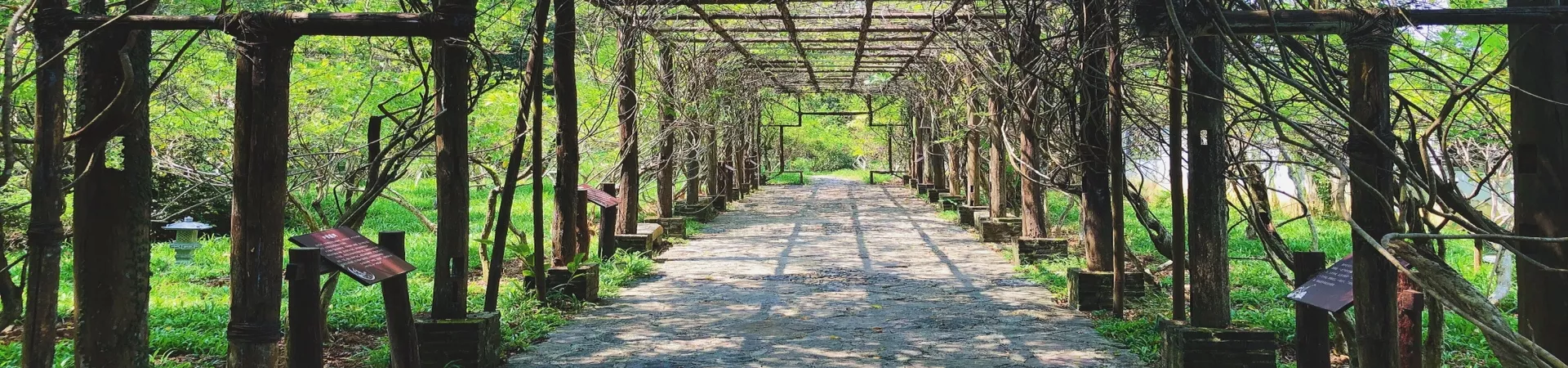
3. The Laomutan (Old Cotton Tree) Zone: Cultural and Botanical Serenity 3.1. A Landscape of Legend and Flora Adjacent to the dynamic energy of the waterfalls, the Laomutan area offers a contrasting atmosphere of profound peace and cultural depth. The zone is named after ancient, venerable cotton trees, symbols of resilience and longevity. This area is a beautifully landscaped garden and ecological preserve, featuring meandering streams, quiet ponds, delicate footbridges, and an extensive collection of subtropical plants. It is designed for contemplative strolls, where the sound of flowing water replaces the waterfall's thunder, and the air is filled with the scent of flowers and earth.
3.2. Echoes of History: The Ancient Post Road Winding through the Laomutan area is a section of the Ancient Zhennan Post Road (镇南古道). This stone-paved path is a silent witness to history, once a vital artery for trade, military movements, and cultural exchange between China and Vietnam for centuries. Walking this historic trail, visitors tread the same stones used by merchants, soldiers, and envoys, connecting physically with the region's storied past as a frontier gateway. Several historical monuments and steles along the route provide context, telling tales of border demarcation and diplomatic journeys.
4. Beyond the Core: Border Markets and Ethnic Culture 4.1. Detian Sino-Vietnamese Frontier Market Near the waterfall, a vibrant border market springs to life. Here, the cross-border cultural exchange becomes tangible. Vietnamese and Chinese vendors sell a colorful array of goods, from Vietnamese coffee, cashew nuts, and tropical fruits to handicrafts, perfumes, and local snacks. It's a bustling, lively spot to observe daily border life, practice bargaining, and pick up unique souvenirs that embody the spirit of this transnational region.
4.2. The Living Heritage of the Zhuang and Yao Peoples The Chongzuo region is a stronghold of Guangxi's ethnic minorities, primarily the Zhuang and Yao. Their cultural influence permeates the scenic area. Visitors might encounter traditional stilted architecture, see women in intricate, hand-embroidered costumes, or hear the distinct melodies of folk songs. Local villages around the scenic area occasionally offer glimpses into traditional crafts, agricultural practices, and festivals. This living cultural layer adds immense richness, reminding travelers that this landscape is not just a natural park but a cherished homeland.
5. Practical Information for Visitors To ensure a smooth and enriching visit, please note the following essential details:
- Opening Hours: The scenic area is open daily from 08:00 to 16:00. Last admission is at 16:00. It is highly advisable to arrive earlier in the day to allow ample time for exploring both the waterfall and Laomutan sections without rush.
- Contact Information: For the most current information regarding tickets, special events, or accessibility, you may contact the scenic area administration at +86-771-3776888.
- Best Time to Visit: The waterfall is most powerful and dramatic from May to November during the rainy season. However, the surrounding greenery is lush, and the river is full. The dry season (December-April) offers clearer, jade-green water and easier hiking conditions, though the cascade may be separated into distinct streams.
- Travel Tips: Wear comfortable, non-slip walking shoes as paths can be wet and steep in places. Bring rain protection (a poncho or umbrella) due to the constant spray from the waterfall. Sunscreen and insect repellent are also recommended. As a border zone, visitors must stay within designated tourist areas and are required to carry their passports or valid ID cards at all times.