Chongzuo White Headed Monkey Reserve
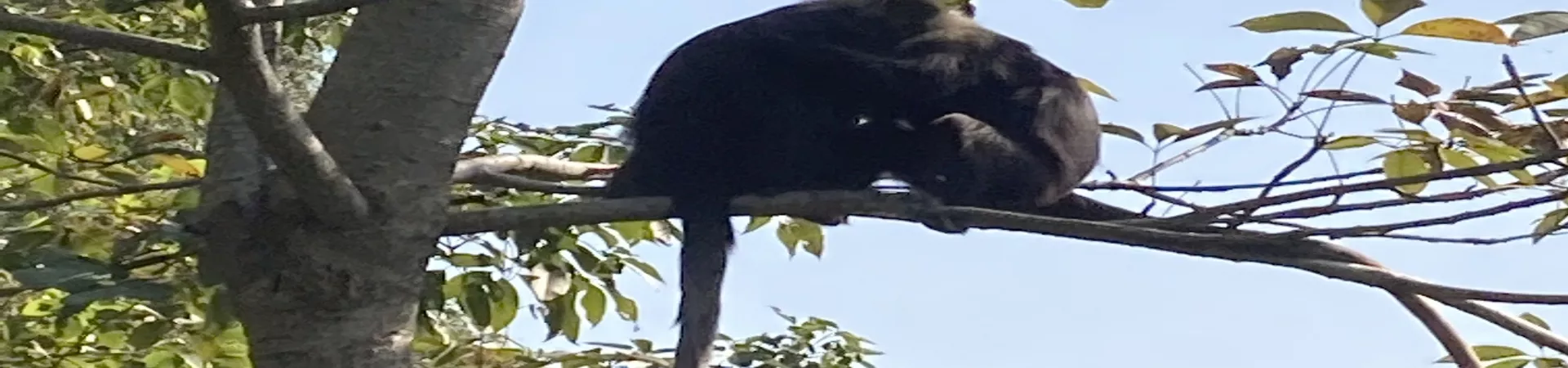
Subtitle: A Sanctuary for the World's Rarest Primate
1. Introduction to the Reserve Nestled within the city of Chongzuo in southwestern Guangxi Zhuang Autonomous Region, the White-headed Langur National Nature Reserve stands as a critical bastion for biodiversity conservation. This protected area is not a single contiguous block but comprises four distinct karst mountain sections: Bapen, Daling, Tuozhu, and Banli. Its primary and most celebrated mission is the protection of its namesake, the White-headed Langur (Trachypithecus leucocephalus). This remarkable primate is listed as a National First-Class Key Protected Animal in China and is recognized globally as one of the 25 most endangered and conservation-dependent primate species on Earth. The reserve's significance is further underscored by its designation as one of China's 17 terrestrial biodiversity key areas of international importance.
2. The Star Resident: The White-headed Langur 2.1 A Rare and Ancient Species The White-headed Langur is an endemic species to Chongzuo, Guangxi, earning the city the title "Hometown of the Chinese White-headed Langur." Its distinctive appearance, characterized by striking white fur crowning its head and a diet consisting primarily of leaves, gives the species its name. Believed to have survived for over three million years, it is now acknowledged as the world's rarest monkey, with a global population estimated at only around 1,000 individuals. Its scientific and conservation value is often considered comparable to that of the Giant Panda.
2.2 A Conservation Stronghold This nature reserve harbors the largest remaining wild population of White-headed Langurs globally, making it the single most important site for the species' survival. The presence of a viable population here offers invaluable opportunities for scientific research, behavioral studies, and the development of effective conservation strategies aimed at pulling this majestic creature back from the brink of extinction.
3. The Banli Section Ecological Tourism Area 3.1 Overview and Ecosystem The Banli Section Ecological Tourism Area, encompassing approximately 115.5 hectares within the broader reserve, is the focal point for visitor engagement and education. Home to over 400 White-headed Langurs, this area provides a unique window into their world. The ecosystem here is rich and complex, extending beyond its flagship species. It is a sanctuary for other protected primates such as the Francois' Langur (Black Leaf Monkey) and the Rhesus Macaque. The flora is equally impressive, featuring rare and endangered plants like cycads and the golden camellia. The landscape is dominated by the classic karst topography of southwestern Guangxi—towering limestone peaks, crevices, and caves—interwoven with a resilient石山森林 (stone mountain forest) ecosystem that clings to the rugged terrain.
3.2 Visitor Experience and Activities Leveraging its exceptional ecological resources, the tourism area is designed for immersive and educational experiences. It is not merely a sightseeing destination but a center for learning and appreciation. * Guided Wildlife Viewing: The primary activity involves guided tours to observation points where visitors can witness troops of White-headed Langurs in their natural habitat, often during their most active periods in the early morning or late afternoon. * Comprehensive Eco-Education: The area serves as a living classroom. Interpretive signs, visitor centers, and knowledgeable guides offer deep insights into primate biology, karst geology, forest ecology, and the urgent challenges of species conservation. * Specialized Academic Functions: It supports scientific research, field study trips, and academic internships, providing a base for students and researchers contributing to conservation science. * Nature Photography: The dramatic landscape, combined with the chance to photograph rare wildlife, makes it a premier destination for photographers and nature enthusiasts.
4. Practical Visitor Information 4.1 Opening Hours The Banli Section Ecological Tourism Area is open daily from 08:00 to 17:30. The last admission is at 17:30. These hours apply throughout the year, from January 1st to December 31st.
4.2 Recommended Visit Duration A visit typically requires 1 to 3 hours to fully appreciate. This allows sufficient time for transportation within the area, guided viewing sessions, exploring educational exhibits, and absorbing the serene beauty of the karst environment. Visitors are advised to wear comfortable walking shoes and bring appropriate sun protection and water.