Xu Fuma Mansion
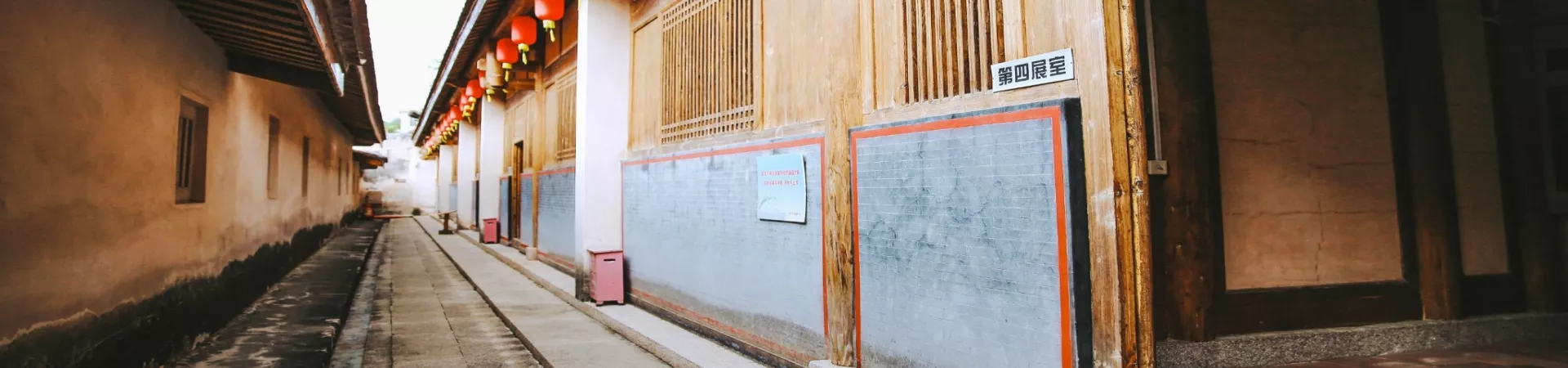
Subtitle: A Millennium-Old Aristocratic Residence Preserving the Architectural Essence of the Song Dynasty
1. Introduction: A Portal to Imperial Kinship and Architectural Heritage
Nestled within the historic city of Chaozhou, a cultural gem of Guangdong Province, stands the Xu Fuma Mansion (许驸马府). This is not merely an old house; it is a rare and remarkably well-preserved physical manuscript detailing the lives of the imperial elite, architectural ingenuity, and the social fabric of ancient China. The mansion serves as the former residence of Xu Jue (许珏), who held the prestigious title of "Fuma" – the imperial son-in-law, having married Princess De'an, the daughter of Emperor Yingzong of the Northern Song Dynasty. Its construction commenced during the Zhiping era (1064-1067 AD) of Emperor Yingzong's reign, anchoring its origins firmly in a pivotal period of Chinese history. Despite undergoing necessary maintenance and repairs through successive dynasties, the mansion has tenaciously retained the fundamental spatial layout and distinctive architectural characteristics of its founding Song Dynasty era, offering visitors an authentic journey back in time.
2. Architectural Layout and Design Philosophy
The mansion complex, covering a built-up area of approximately 1,800 square meters, is a masterclass in the formal, symmetrical, and hierarchical design principles that governed elite residential architecture in ancient China. Its layout is both sophisticated and symbolic, reflecting the social status of its inhabitants and the cosmological beliefs of the era.
2.1 The Central Axis and "工" (Gong) Character Structure The core of the residence is organized along a strict central axis, featuring a three-hall-deep main structure with five bays in width. The three main halls—the entrance hall, the central hall, and the rear hall—are arranged sequentially, representing a progression from public to private spaces. A defining architectural feature is the connection between the central hall and the rear hall via flanking "inserted" side halls and rooms. This unique linkage forms a layout that resembles the Chinese character "工" (Gong, meaning "work" or "craft") when viewed from above. This "工"-shaped configuration is not only structurally distinctive but also symbolizes stability and balance.
2.2 Spatial Hierarchy and Functional Zoning Each section of the mansion served a specific purpose, meticulously demarcating social interaction and family life. * The Entrance Hall: This space functioned as a formal reception area for guests and for conducting external affairs, acting as a buffer between the outside world and the family's inner sanctum. * The Central Hall: Serving as the heart of the mansion, this was the venue for major family ceremonies, ancestral worship, and the reception of esteemed visitors. It represents the pinnacle of the building's ceremonial and public function. * The Rear Hall and Private Quarters: This innermost section was reserved for the private living quarters of the family, emphasizing intimacy and seclusion.
2.3 The Unique "Three-Solo" Configuration of the Wing Rooms One of the most exceptional aspects of the Xu Fuma Mansion's design is the treatment of its wing rooms (围屋, weiwu). Unlike typical layouts where wings are openly attached, here they are artfully concealed behind the gable walls of the central hall. This design creates a series of independent, self-contained suites. Each wing features its own private hall (独厅), private courtyard (独院), and private skywell (独天井). This "three-solo" configuration provided secluded and tranquil living spaces for family members, ensuring privacy while still being integrated into the whole complex. The eastern wing rooms historically included studies (书斋) and ancillary rooms, highlighting the importance placed on scholarship and quiet contemplation.
2.4 The Rear Courtyard: A Tranquil Conclusion Behind the main rear hall runs a longitudinal rear courtyard that spans the entire width of the property. This space likely served as a service area, a garden for relaxation, or a circulation path for household activities, providing a serene and functional conclusion to the main architectural sequence.
3. Practical Visitor Information
To facilitate a smooth and informed visit, please note the following essential details:
3.1 Admission Fees * Standard Ticket: 20 RMB per person. * Applicability: This fee structure is valid throughout the year, from January 1st to December 31st.
3.2 Operating Hours * Tuesday to Sunday: The mansion is open from 09:00 to 17:30. The last admission is at 17:00. * Monday: The site remains open; however, specific operational details for Mondays are advised to be confirmed on-site or via contact, as the provided schedule indicates "all day" but it is prudent to verify.
3.3 Contact Information For any inquiries regarding special visits, group tours, or to confirm opening hours, you may contact the site at: +86 768 2250021.
4. Cultural Significance and the Visitor Experience
Walking through the gates of the Xu Fuma Mansion is akin to stepping into a different epoch. The weathered brick and wood, the serene courtyards bathed in sunlight filtered through ancient eaves, and the intricate layout speak volumes of a bygone era of refinement and order. It stands as a priceless testament to the high level of residential architecture achieved during the Song Dynasty, a period renowned for its cultural and artistic flourishing. For visitors, it offers a tangible connection to the daily life of the aristocracy, far removed from the grander but often more impersonal imperial palaces. The mansion’s preservation allows one to appreciate the nuanced considerations of privacy, social ritual, harmony with nature (evident in the courtyards and skywells), and aesthetic elegance that were paramount in traditional Chinese domestic design. It is not just a historical site but a profound educational resource on the evolution of Chinese vernacular architecture and social history.