Chaozhou Ancient City
Subtitle: A Living Chronicle of Culture, Cuisine, and Timeless Charm
1. Introduction: The Soul of the Lingnan Region Nestled in the eastern part of Guangdong Province, Chaozhou Ancient City stands not as a mere relic behind glass, but as a vibrant, breathing heart of a unique cultural lineage. More than just a collection of old streets, it is the living epicenter of the Teochew (Chiuchow) culture, a distinct branch of Chinese civilization renowned for its sophisticated artistry, exquisite cuisine, and deep-rooted traditions. Unlike many overly commercialized ancient towns, Chaozhou offers an authentic immersion. Here, the rhythm of daily life unfolds seamlessly amidst centuries-old architecture, where the aroma of gourmet snacks mingles with the scent of aged stone, and the sounds of a classical dialect and traditional opera echo down alleyways. A visit is a journey into a resilient and elegant cultural tapestry that has been meticulously woven for over 1,600 years.
2. Exploring the Architectural and Historical Tapestry The city's layout and structures are a testament to its historical significance as a political, economic, and cultural hub.
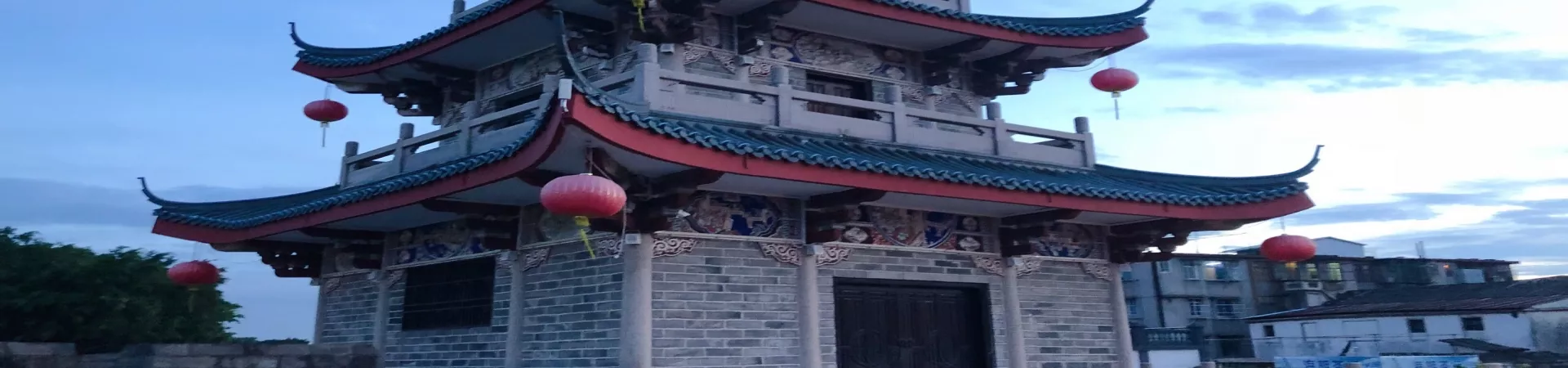
2.1. The Ancient City Wall and Guangji Gate While much of the original city wall is gone, the magnificent Guangji Gate (Guangji Lou) remains its proud symbol. This imposing tower, part of a reconstructed section, offers a panoramic view of the city and the mighty Han River. It serves as a poignant reminder of Chaozhou's strategic importance and is a perfect starting point to grasp the city's scale and historical geography. Nearby, the Hanwengong Temple, dedicated to the revered Tang Dynasty literatus Han Yu, who was exiled here, is a serene complex of classical halls and courtyards that speaks to the city's long scholarly traditions.
2.2. A Stroll Through Time: Ancient Alleys and Arcades The true magic of Chaozhou lies in its labyrinthine network of streets and alleys. Taiping Road and the surrounding lanes like Shangping Road and Xiaping Road are the main arteries of the old town. Here, you will find the iconic Qilou – arcaded buildings with pedestrian walkways on the ground floor. These architectural marvels, blending Southern Chinese and European colonial styles, shelter a bustling world of family-run shops, tea houses, and workshops. Wandering these shaded arcades, you'll witness artisans crafting delicate porcelain, carving wood, or embroidering textiles, preserving crafts passed down through generations.
2.3. Masterpieces of Folk Artistry Chaozhou's architectural detail is a museum of folk art. Be sure to seek out its famous "Three Carvings": wood carving, stone carving, and clay carving. Elaborately carved wooden panels adorn temple roofs and ancestral halls, intricate stone narratives frame doorways, and vibrant clay sculptures depicting mythological scenes crown the ridges of buildings. The Kaiyuan Temple, a Tang Dynasty Buddhist monastery in the city center, is a premier showcase for all these arts, offering a breathtaking concentration of Teochew craftsmanship.
3. The Pillars of Teochew Culture: From Tea to Opera Culture in Chaozhou is not observed; it is participated in.
3.1. The Art of Gongfu Tea You cannot understand Chaozhou without experiencing Gongfu Tea. This is not a casual drink but a precise, ritualistic art form emphasizing technique, etiquette, and the appreciation of fine Oolong tea, particularly the prized Fenghuang Dancong. In countless tea shops or even in humble doorways, you'll see locals conducting this ceremony with miniature pots and cups. Visitors are often warmly invited to partake. The act of preparing, smelling, and sipping the intensely fragrant tea is a lesson in mindfulness and a direct entry into the Teochew philosophy of finding refinement in daily life.
3.2. The Rhythms of Ancient Drama The haunting melodies of Chaozhou Opera are another cultural cornerstone. Recognized by UNESCO as an Intangible Cultural Heritage, this performance art is known for its elegant costumes, delicate movements, and a unique musical system using ancient scores. Catching a performance, perhaps at a local theater or during a temple festival, is a mesmerizing experience. Similarly, the stirring rhythms of the Chaozhou Drum and Gongs Music that accompany celebrations tell stories of their own, their powerful beats echoing the dynamic spirit of the people.
4. Practical Information for Your Visit
4.1. Admission and Opening Hours One of the great advantages of visiting Chaozhou Ancient City is its accessibility. Admission to the ancient city district itself is free, allowing you to explore the streets, alleys, and public squares at your leisure. Most of the historical and commercial areas are open 24 hours, meaning you can enjoy the lively daytime atmosphere and the beautifully lit, tranquil ambiance of the streets at night. Please note that individual attractions within the city, such as the Kaiyuan Temple, Guangji Gate tower, or specific museum houses, may have separate operating hours and ticketing policies. It is advisable to check these on-site.
4.2. Getting There and Around Chaozhou is well-connected. The city is served by its own airport and a high-speed rail station (Chaozhou Railway Station), with convenient links from major cities like Guangzhou, Shenzhen, and Xiamen. Upon arrival, the ancient city core is best explored on foot. This is the only way to lose yourself in the narrow lanes and discover hidden gems. For longer distances, taxis and ride-hailing services are readily available and affordable.
4.3. Savoring the World-Famous Teochew Cuisine Your visit will be incomplete without indulging in Teochew cuisine, celebrated globally for its freshness, lightness, and masterful seafood preparation. The ancient city is a food paradise. Must-try dishes include Teochew beef hotpot (with its uniquely textured meatballs), oyster omelette, braised goose, and a vast array of rice noodle soups and steamed dumplings. Don't miss the local snacks like "candied fruit" or the sweet and savory "youguo". The night markets and snack streets around Fuxi Road and Taiyuan Road are perfect for a culinary adventure.
4.4. Contact Information For specific inquiries about major attractions or tours, you can contact the local tourism authorities. A general contact number for tourism information is +86-768-2228900.