Chaozhou Ancient Mansion City Wall
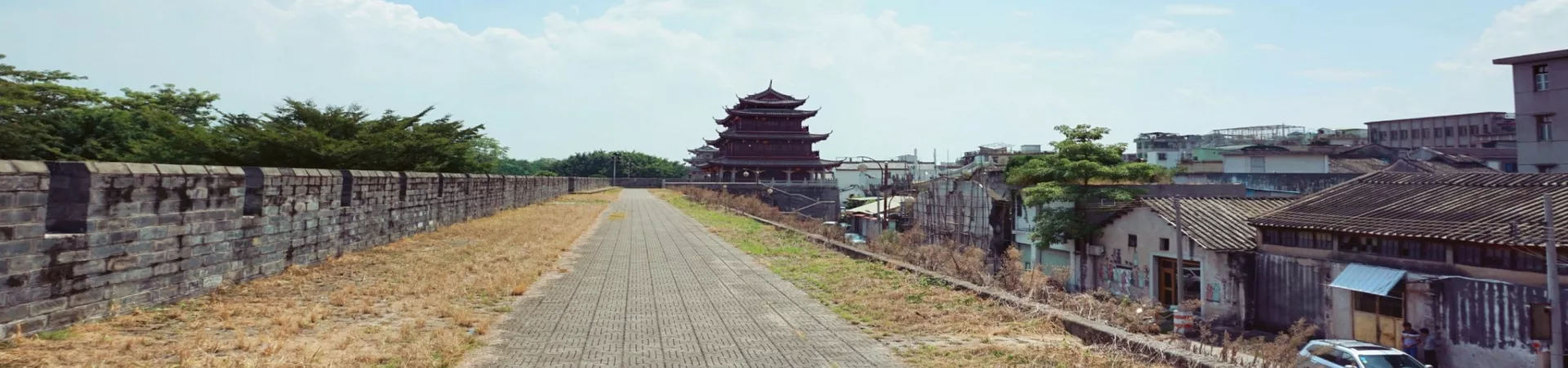
Subtitle: A Journey Through Time: Exploring the Ancient City Wall of Chaozhou
1. Introduction: The Enduring Sentinel of Lingnan
Standing as a monumental testament to centuries of history, culture, and resilience, the Ancient Prefectural City Wall of Chaozhou is far more than a mere relic of stone and brick. It is the defining symbol of this iconic Chinese cultural city, located in the heart of Guangdong's Chaoshan region. For over a millennium, this formidable structure has silently witnessed the ebb and flow of dynasties, repelled invasions, and safeguarded the unique lineage of Chaoshan culture that thrives within its bounds. Unlike the more famous walls of northern China, Chaozhou's ancient fortification offers a distinct narrative—one deeply intertwined with the maritime history, migratory patterns, and unyielding spirit of southern China. A visit here is not just a walk along a historic rampart; it is an immersive journey into the soul of a region renowned for its exquisite cuisine, intricate handicrafts, and profound scholarly traditions.
2. Historical Context and Architectural Evolution
2.1. Foundations in Antiquity The wall's origins can be traced back to the Northern Song Dynasty, with its initial construction beginning in the reign of Emperor Huangyou (1049-1054 AD). However, the strategic importance of Chaozhou as a political, military, and economic hub in eastern Guangdong necessitated continuous reinforcement and expansion. The most significant period of development occurred during the Ming Dynasty (1368-1644), a golden age for Chinese city wall construction. It was during this era that the wall took its classic form, with large sections rebuilt and faced with sturdy stone blocks, creating the impressive foundation visible today.
2.2. Strategic Design and Layout The original wall followed a sophisticated design principle, roughly rectangular but adapted to the local topography. It famously enclosed the nine peaks of the nearby Phoenix Hill, a unique feature that poetically integrated natural landscape into urban defense. The perimeter stretched approximately 5.2 kilometers, encircling the old prefectural city. Key components of its military architecture included: * Battlements and Parapets: Providing cover for defenders. * Gate Towers and Barbicans: Heavily fortified entry points controlling access. * Watchtowers: For surveillance and signaling.
2.3. The Test of Time and Modern Preservation The wall faced numerous challenges, including warfare, natural erosion, and the pressures of modern urban development in the 20th century. While large sections were unfortunately dismantled in the 1930s, a significant and most iconic portion was preserved. Today, the restored stretch, particularly the magnificent Guangji Gate Tower complex, represents one of China's best-preserved ancient city gate structures. Ongoing preservation efforts meticulously balance historical authenticity with public accessibility, ensuring the wall remains a living heritage site rather than a static museum piece.
3. Exploring the Guangji Gate Complex: The Heart of the Wall
The undisputed centerpiece of the ancient wall is the Guangji Gate Tower (广济门城楼), often considered the symbol of Chaozhou itself. This section is the essential focus for any visitor.
3.1. The Grand Gate Tower Towering over the east bank of the Han River, the Guangji Gate is a majestic three-story wooden structure rebuilt during the Ming and Qing dynasties. With its upturned eaves, ornate decorations, and imposing presence, it exemplifies traditional Chinese watchtower architecture. Ascending the tower offers the first of many breathtaking panoramic views: westward over the ancient city's rooftops and eastward towards the legendary Guangji Bridge.
3.2. The Connection to Guangji Bridge This is where the wall reveals its most ingenious and poetic feature. From the Guangji Gate, the stone wall extends southward along the riverbank. To the north, it connects directly to the world-famous Guangji Bridge (湘子桥). Also known as the "Floating Bridge," this ancient engineering marvel combines stone piers with a unique section of movable pontoon boats. Historically, these boats could be disconnected to allow for river traffic and reconnected for pedestrian crossing. This strategic integration of a major city wall with a critical river crossing is exceptionally rare, showcasing the advanced urban planning of ancient Chaozhou. The vista from the wall, encompassing the gate, the bridge, and the flowing river, is an iconic and unforgettable sight.
3.3. Walking the Ramparts From the Guangji Gate, visitors can walk along the top of the restored ramparts. This elevated promenade allows one to literally tread the same path as ancient soldiers and citizens. The walk provides unique vantage points of the juxtaposition between the historical inner city, with its traditional qilou (arcade buildings) and winding alleys, and the modern metropolis beyond.
4. Cultural Significance and the Visitor Experience
4.1. A Guardian of Chaoshan Culture The wall's true value lies in its role as a cultural container. For centuries, it physically and symbolically protected the development of the distinct Chaoshan culture. This includes the preservation of the ancient Chaozhou dialect (a Min Chinese language), the flourishing of Teochew opera (a UNESCO-recognized intangible heritage), the refinement of world-renowned Gongfu tea ceremonies, and the perpetuation of exquisite arts like woodcarving and ceramics. The wall created a defined space where these traditions could mature and remain resilient.
4.2. A Living Public Space Today, the area around the ancient wall, especially the riverside park near Guangji Gate, is the vibrant social heart of Chaozhou. At dawn, it is a place for tai chi and quiet contemplation. By day, tourists and locals stroll along its paths. As evening falls, the area transforms into a lively hub. The gate and bridge are illuminated in spectacular fashion, creating a magical atmosphere. The nearby streets come alive with food vendors offering local delicacies such as bak kut teh (herbal pork rib soup), oyster omelets, and sweet yanshui (preserved fruit). This daily cycle demonstrates how the ancient structure remains deeply embedded in the contemporary life of the city.
4.3. Practical Tips for the Visit To fully appreciate the Ancient City Wall, it is recommended to allocate at least half a day. Begin at the Guangji Gate Tower, explore its museum exhibits detailing the city's history, and walk along the northern and southern ramparts. The experience is inextricably linked to crossing the Guangji Bridge and exploring the old town streets within the former walled city, such as the bustling Paifang Street (Archway Street). Visiting in the late afternoon allows you to enjoy the golden hour light on the stonework and stay for the mesmerizing night illumination. The site is easily accessible on foot from downtown Chaozhou and stands as an essential, profound starting point for understanding the region's glorious past and dynamic present.