Niuheliang National Archaeological Site Park
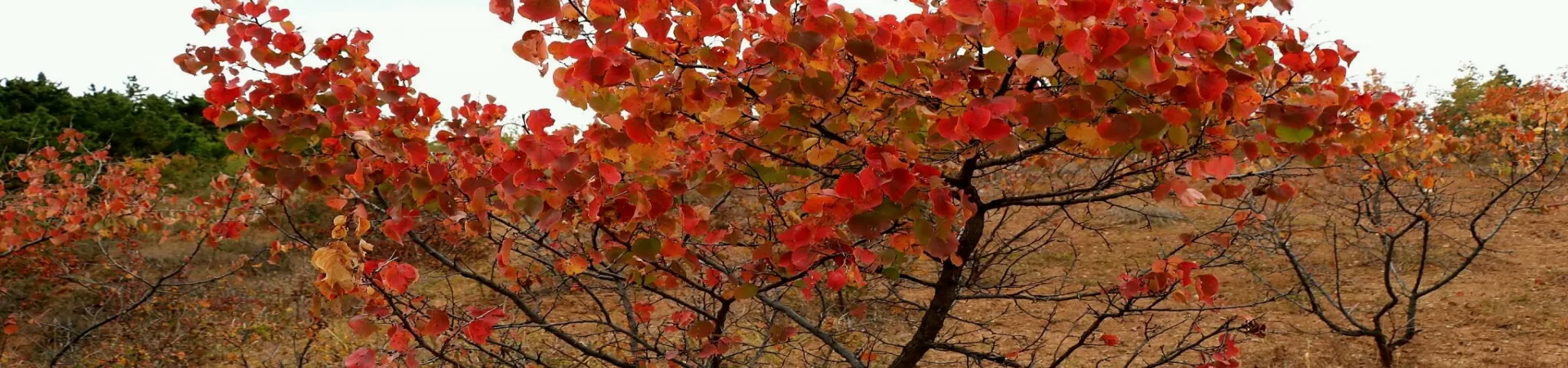
Subtitle: A Journey to the Dawn of Chinese Civilization
1. Introduction: A Portal to Ancient Mysteries
Nestled in the rolling landscapes of Chaoyang City in Liaoning Province, the Niuheliang National Archaeological Site Park stands as a silent, monumental testament to one of East Asia's most enigmatic and influential ancient cultures. This is not merely a park; it is a vast, open-air museum spanning an impressive 58.95 square kilometers, with a core protected area of 8 square kilometers. It serves as the primary guardian and interpreter of the Hongshan Culture, a sophisticated Neolithic society that flourished over 5,000 years ago. A visit here is a profound journey back in time, offering unparalleled insights into the spiritual life, social organization, and artistic achievements of a people often regarded as a crucial precursor to Chinese civilization itself. The site's scale and significance demand exploration, promising to reshape one's understanding of ancient history.
2. Architectural and Exhibition Framework
The park has been carefully developed around several key architectural projects designed to protect the fragile ruins and present their story compellingly. These structures guide the visitor through the narrative of the Hongshan people.
2.1. The Core Protective Structures Three major engineering projects form the backbone of the visitor experience. The First Location Protection Project houses the iconic Goddess Temple Exhibition Hall. The Second Location Protection and Exhibition Hall shelters the awe-inspiring complex of a large altar and numerous stone cairn tombs (jishizhong). Finally, the comprehensive Site Museum and Conservation Research Center serves as the central hub for education and preservation, where the most significant artifacts are studied and displayed.
2.2. The Site Museum: A Thematic Journey The Site Museum is the heart of the interpretive experience, with its exhibitions meticulously organized into seven thematic sections that chronicle the rise and essence of the Hongshan Culture. * 2.2.1. The Hongshan Culture: This section sets the stage, introducing the environmental context, chronology, and fundamental characteristics of this archaeological culture. * 2.2.2. The Hongshan Ancient Kingdom: It explores the social and political structure, suggesting the existence of a complex, stratified society with a defined ceremonial center at Niuheliang. * 2.2.3. The Ancestral Figures: This pivotal section delves into the spiritual world, centered on the discovery of a clay "Goddess" head with inlaid jade eyes, believed to represent a deified ancestor or a mother goddess, pointing to an advanced belief system. * 2.2.4. The Altar of Blessings: Dedicated to the large ceremonial altar, it explains the rituals and astronomical knowledge possibly associated with this sacred space. * 2.2.5. The Royal Cemetery of the Ancient Kingdom: Focusing on the impressive stone cairn tombs, this part reveals burial customs, social hierarchy, and the energy invested in honoring the elite. * 2.2.6. The Dawn of Jade Rituals: Here, the exquisite jade artifacts—cong (tubes), bi (discs), dragon-shaped pendants, and more—are highlighted. These objects, not used as tools or weapons but purely for ritual and status, mark the beginning of jade's deep ritual significance in Chinese culture. * 2.2.7. The Enduring Charm of Hongshan: The final section reflects on the cultural legacy of Hongshan, its influence on later Chinese civilization, and the ongoing archaeological mysteries.
3. Practical Visitor Information
To facilitate a smooth and enriching visit, please note the following essential details: * Operating Hours: The park is open from 09:00 to 16:00 daily (Monday through Sunday, year-round). Last admission is at 16:00. * Recommended Visit Duration: To fully appreciate the expansive site, the museum exhibitions, and the outdoor ruins, a visit typically requires 1 to 3 hours. Allocating sufficient time is advised to absorb the scale and depth of the exhibits. * Contact Information: For inquiries, visitors can contact the park at 0421-7061911.
Information last updated: January 10, 2023. Credit and thanks to contributors from the Ma Feng Wo travel community for their input.