Huaishu Cave
Subtitle: A Journey into the Heart of Nature and History at Huai Shu Dong, Chaoyang
Introduction: The Allure of Six in One Approximately twenty-seven kilometers south of Chaoyang's urban center, nestled at the foot of Bai Mountain in Caojia Village, Nanshuangmiao Town, lies a remarkable synthesis of natural and cultural elements known as Huai Shu Dong (Pagoda Tree Cave). This integrated scenic area, spanning 5.7 square kilometers, masterfully combines six core components: mountains, water, ancient trees, caves, temples, and pagodas. Its unique geological foundations have given rise to a landscape of distinctive character, offering visitors a profound escape into a realm where geological wonder, ecological richness, and centuries of spiritual heritage converge seamlessly.
1. Geological Marvel and Natural Landscape 1.1. The Foundation: Unique Geological Structure The very essence of Huai Shu Dong's scenery is rooted in its special geological composition. Millennia of natural forces have sculpted the limestone bedrock, creating the foundational drama of the area. This process is most spectacularly evident in the formation of the area's namesake caves and the rugged, picturesque contours of Bai Mountain itself. The terrain is a dynamic tapestry of karst features, rocky outcrops, and sheltered grottoes, setting the stage for the diverse ecosystems and human structures that followed.
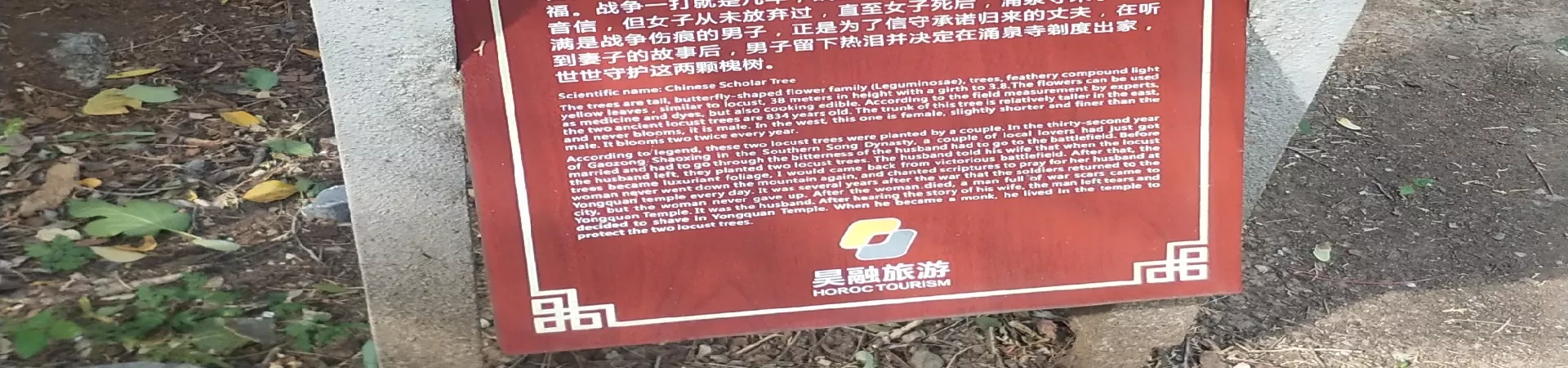
1.2. The Living Tapestry: Mountains, Water, and Ancient Trees Crowning the scene is Bai Mountain, whose forested slopes provide a serene green backdrop and numerous vantage points for panoramic views. Winding through the valleys are clear, gentle streams and pools, their murmuring waters adding a constant, soothing auditory layer to the visit. The area is named for its venerable pagoda trees (Chinese scholar trees), particularly an ancient, towering specimen believed to be hundreds of years old. This majestic tree, often a focal point for visitors, symbolizes longevity and resilience, its sprawling branches offering shade and a tangible connection to the deep past.
2. The Heart of the Scenic Area: The Cave and Spiritual Heritage 2.1. Huai Shu Dong: The Central Cave The central cave, from which the area derives its name, is far more than a simple geological hollow. It is a space imbued with historical and spiritual significance. The cave's interior, with its cool air and intriguing rock formations, has long served as a natural sanctuary. Its accessible chambers invite exploration, allowing visitors to step directly into the geological history of the region and experience the quiet, contemplative atmosphere that has attracted seekers of solitude and enlightenment for generations.
2.2. Sanxian Temple: A Sanctuary of Serenity Adjacent to the cave sits the historic Sanxian Temple (Temple of the Three Immortals). This Buddhist temple complex, harmoniously integrated into the rocky landscape, represents the cultural soul of Huai Shu Dong. With architecture that adapts to the natural surroundings, the temple features traditional halls that house statues and artifacts dedicated to Buddhist figures. The scent of incense, the sound of chanting, and the peaceful ambiance provide a stark, calming contrast to the outside world, making it a place for reflection and cultural appreciation.
2.3. The Ancient Pagoda: Sentinel of History Completing the spiritual tableau is an ancient pagoda, often standing on a nearby hillock or integrated within the temple grounds. This brick or stone structure, showing the graceful wear of time, serves as a timeless landmark. It represents the pinnacle of the area's "six-in-one" philosophy—a man-made monument reaching skyward, perfectly balanced against the natural downward pull of the cave and the horizontal spread of the mountain and forests. It is a favorite subject for photography, especially during the golden hours of sunrise or sunset.
3. Practical Information for Visitors 3.1. Location and Access Huai Shu Dong is located in Caojia Village, Nanshuangmiao Town, Chaoyang County. The precise location is 1.3 kilometers west of the Chaoqing Line Road (Chaoyang-Qinglong Highway). The journey from downtown Chaoyang takes approximately 45 minutes to an hour by car, leading into increasingly rural and scenic landscapes.
3.2. Operating Hours and Contact The scenic area is open to the public daily from 8:00 AM to 5:00 PM. The last admission is at 5:00 PM, and visitors are advised to plan their arrival with sufficient time to explore comfortably. This schedule is maintained throughout the year, from January 1st to December 31st. For the most current information, particularly regarding weather-related accessibility or special events, prospective visitors can contact the management office at 0421-8913113.
4. The Integrated Visitor Experience 4.1. A Journey Through Diverse Realms A visit to Huai Shu Dong is a multi-layered experience. A typical exploration might begin with a hike along the forested paths of Bai Mountain, followed by a contemplative pause at the ancient pagoda tree. The journey can then lead down to the cool, intriguing depths of the main cave, emerging near the serene courtyards of Sanxian Temple. The ancient pagoda stands as a final point of contemplation, offering a view back over the entire integrated landscape.
4.2. Seasonal Charms Each season casts a different light on Huai Shu Dong. Spring brings a burst of wildflowers and fresh greenery, summer offers deep, cool shade in the forests and caves, autumn sets the hillsides ablaze with color, and winter covers the pagoda and mountain in a quiet, stark beauty. The temple takes on a particularly ethereal quality in the early morning mist or under a light snowfall.
The true magic of Huai Shu Dong lies in its holistic composition. It is not merely a cave, a mountain, or a temple, but a carefully preserved dialogue between all these elements. It invites visitors not just to see sights, but to experience a timeless Chinese ideal: the profound harmony between humanity's spiritual aspirations and the enduring, majestic power of the natural world.