Chaoyang North Tower Museum
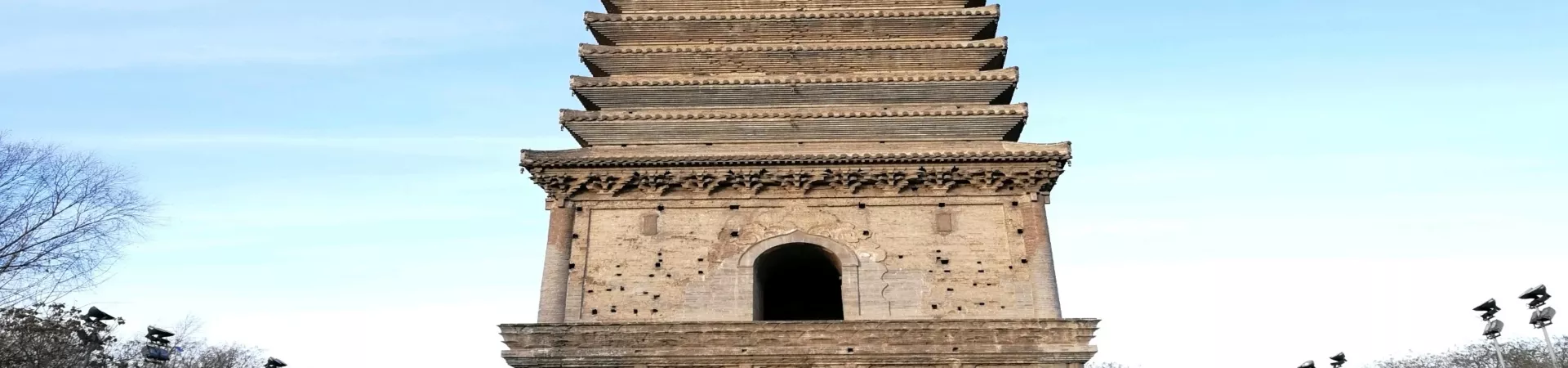
Subtitle: A Journey into Buddhist Art and History at Chaoyang's Northern Pagoda Museum
1. Introduction and Historical Context Nestled within the bustling urban landscape of Chaoyang City in Liaoning Province, the Chaoyang Northern Pagoda Museum stands as a dedicated guardian of Buddhist cultural heritage. This specialized museum is uniquely constructed around and in homage to its centerpiece: the Chaoyang Northern Pagoda, a site designated as a Major Historical and Cultural Site Protected at the National Level. The museum's strategic location on Murong Street, within the Northern Pagoda Square, seamlessly integrates ancient history with the city's modern rhythm. With a total floor area of 2,300 square meters and exhibition space covering 2,000 square meters, the institution is a sophisticated, multifunctional complex. It masterfully combines archaeological displays, state-of-the-art pagoda conservation efforts, and serene landscaped gardens, offering visitors a comprehensive and immersive cultural experience that spans from the profound silence of ancient relics to the contemplative peace of its outdoor spaces.
2. Architectural and Cultural Significance of the Northern Pagoda 2.1 The Pagoda as a Living Relic The Northern Pagoda itself is not merely a backdrop but the very heart of the museum. This ancient structure is a profound testament to the deep-rooted history of Buddhism in Northeast China and the cultural exchanges along the ancient routes. Its architectural style and historical layers offer invaluable insights into the religious and artistic developments of the region across dynasties. The museum's foundational purpose is the active protection and scholarly study of this pagoda, making every exhibit an extension of its story.
2.2 Museum Design and Layout The modern museum building is designed to complement rather than compete with its historic anchor. The interior spaces are thoughtfully arranged to guide visitors through a chronological and thematic journey. The extensive exhibition area is divided into sections that detail the pagoda's discovery, archaeological excavations, and the magnificent artifacts unearthed from its sacred underground palace. The integration of indoor galleries with the surrounding outdoor garden landscape allows the spiritual and historical narrative to flow naturally from curated displays to the authentic, weathered stones of the pagoda in its open-air setting.
3. Practical Visitor Information 3.1 Location and Transportation The museum's location in the city center makes it highly accessible. Situated on Murong Street at the Northern Pagoda Square, it is within walking distance for those exploring the downtown area. For visitors coming from farther points in the city, Chaoyang's public bus network provides convenient routes to the vicinity. Taxis are also a readily available and affordable option, with a standard flag-down fare starting at 5 RMB, offering a direct and hassle-free way to reach the museum's entrance.
3.2 Opening Hours and Admission The museum operates on a scheduled session system to manage visitor flow and ensure a quality experience. * Tuesday to Sunday: The museum is open in two sessions: a morning session from 8:30 AM to 11:30 AM, and an afternoon session from 1:00 PM to 4:30 PM. It is important for visitors to note that last admission is strictly at 11:00 AM for the morning session and 4:00 PM for the afternoon session. * Monday: The museum remains open all day, typically from 8:30 AM to 4:30 PM, though it is always advisable to confirm the exact hours upon planning a visit. A special note for cultural enthusiasts: The museum participates in International Museum Day (May 18th), offering free admission to the public on that day, which often includes special exhibitions or events.
4. The Exhibition Experience and Collections 4.1 Core Exhibitions and Artifacts The museum's permanent collection is centered on the spectacular finds from the Northern Pagoda's relic depository. Visitors can expect to encounter a stunning array of Buddhist artifacts, including intricately crafted statues of Buddha and Bodhisattvas, delicate gold and silver ritual objects, precious reliquaries, and beautifully preserved sutras. These items are displayed with detailed explanations of their religious significance, artistic merit, and historical context, showcasing the zenith of craftsmanship and devotion during the Pagoda's active period.
4.2 Thematic Displays and Interpretation Beyond the individual artifacts, the museum excels in creating thematic narratives. Exhibits often explore the history of Buddhism's transmission into the Chaoyang region, the architectural evolution of pagodas in China, and the story of the Northern Pagoda's own construction, damage, and restoration across centuries. Interactive maps, models, and multimedia presentations help bridge the gap between the ancient past and the modern visitor, making the complex history accessible and engaging for all ages.
4.3 The Garden and Pagoda Viewing The outdoor component of the museum is an integral part of the visit. The landscaped garden provides a tranquil space for reflection, with pathways offering various vantage points to appreciate the full majesty of the Northern Pagoda's exterior. This area allows visitors to observe the pagoda's architectural details up close and understand its structural form, completing the experience that begins with the internal artifacts housed within the museum walls.