Chaoyang Bird Fossil National Geopark
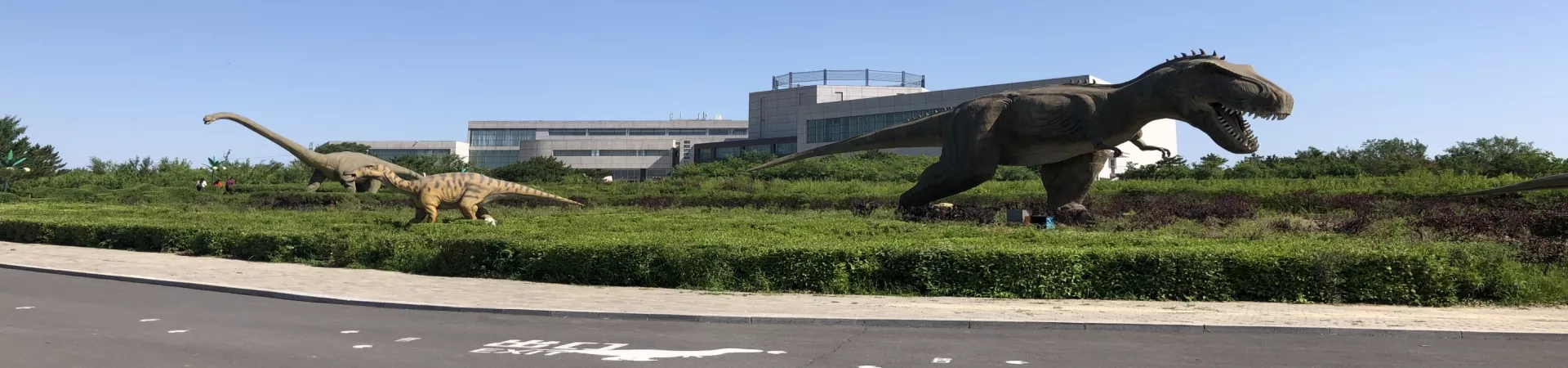
A Visitor's Guide to Chaoyang Bird Fossil National Geopark
Nestled in the western part of Liaoning Province, China, the Chaoyang Bird Fossil National Geopark is not merely a scenic destination; it is a profound portal into the deep past. This region, part of the globally renowned Jehol Biota, is one of the most significant paleontological sites on Earth, offering an unparalleled window into a lost world from 120 to 130 million years ago during the Early Cretaceous period. For anyone fascinated by the origins of life, the evolution of birds, and the mysteries of prehistoric ecosystems, a visit here is nothing short of a pilgrimage.
1. Unlocking the Secrets of the Jehol Biota The geopark's supreme importance lies in its exceptional preservation of the Jehol Biota. Unlike many fossil sites that yield only bones or shells, the fossils here are often found with stunning soft-tissue impressions, including feathers, skin, fur, and even stomach contents. This extraordinary level of detail has revolutionized our understanding of early birds, feathered dinosaurs, and the transition from dinosaurs to avian species.
1.1. The Crown Jewels: Primitive Birds and Feathered Dinosaurs Chaoyang is famously known as the "Home of the First Birds." It is here that fossils of Confuciusornis—a crow-sized, beaked bird with long tail feathers—and Jeholornis, one of the earliest birds capable of powered flight, were discovered. More groundbreaking are the countless fossils of non-avian dinosaurs, such as Microraptor and Sinornithosaurus, covered in intricate feather impressions. These finds provide irrefutable evidence that feathers evolved long before flight, likely for insulation or display, and solidify the evolutionary link between dinosaurs and modern birds.
1.2. A Complete Ancient Ecosystem in Stone The treasure trove extends far beyond birds. The fossil beds capture a complete, snapshot of an ancient lake and forest environment. Exquisitely preserved fossils include early mammals, pterosaurs soaring overhead, a vast array of insects, fish, amphibians, and lush plant life like ginkgoes and conifers. This holistic preservation allows scientists, and visitors, to reconstruct a vibrant, complex ecosystem frozen in time after sudden volcanic events, making it a true "Mesozoic Pompeii."
2. Planning Your Visit: Practical Information To make the most of your journey back in time, careful planning is essential. The park is vast and rich with content, requiring several hours to fully appreciate.
2.1. Location and Access The main park area is located in Chaoyang City, Liaoning Province. It is accessible by high-speed rail or long-distance bus from major cities like Beijing and Shenyang. Upon arriving in Chaoyang, local taxis or ride-hailing services provide convenient transport to the geopark's entrance.
2.2. Opening Hours and Contact Operating hours vary seasonally to ensure the best visitor experience and accommodate daylight changes.
- Summer Period (June 1 - August 31): 09:00 - 17:00 (Last admission at 16:30)
- Winter Period (December 1 - February 28/29): 09:00 - 16:00 (Last admission at 15:30) It is highly advisable to confirm the latest schedule before your visit, especially during shoulder seasons, by contacting the park directly at +86-421-3862200.
3. Exploring the Geopark's Core Attractions The geopark complex is thoughtfully designed to cater to both educational and awe-inspiring experiences. Your visit typically encompasses several key areas.
3.1. The World-Class Fossil Museum This modern museum is the heart of the visit. Its architecture is often designed to evoke the theme of ancient life. Inside, you will embark on a chronological journey.
- 3.1.1. Hall of Paleontology: This hall houses the star specimens. Prepare to stand in awe before complete skeletons of Confuciusornis flocks, feathered dinosaurs posed in dynamic displays, and incredibly detailed fossils of fish with intact scales. Interactive displays and detailed explanations (often in both Chinese and English) contextualize the scientific importance of each find.
- 3.1.2. Geological and Evolutionary Exhibits: These sections explain the unique geological conditions that led to such perfect preservation and outline the broader story of evolution, highlighting Chaoyang's pivotal role in that narrative.
3.2. The In-Situ Fossil Excavation Sites A short walk or shuttle ride from the museum leads to protected excavation sites within the park. Here, under sheltered pavilions, you can see the actual fossil-bearing rock layers (often marked with discovery spots) and sometimes witness paleontologists or preparators at work during certain periods. This area transforms the museum exhibits from abstract concepts into tangible reality, connecting you directly to the ground where these world-shaking discoveries were made.
3.3. Fossil Experience Zone and Geological Trails For a more hands-on experience, especially for families, this zone may offer supervised activities like simulated fossil digging or rubbings. The surrounding geological trails wind through the park's natural landscape, with signage pointing out the stratigraphy and rock formations that tell the 100-million-year-old story of volcanic eruptions, lake sedimentation, and tectonic shifts that created this unique place.
4. Enhancing Your Experience: Tips for Visitors To ensure a smooth and enriching visit, consider these final recommendations. Given the park's extensive indoor and outdoor areas, comfortable walking shoes are an absolute necessity. The museum is generally well-maintained with climate control, but the excavation sites are exposed, so dress appropriately for the weather—sun protection in summer and warm layers in winter are crucial. While basic English information is available, the depth of explanation is primarily in Chinese. Consider hiring an English-speaking guide at the entrance if available, or researching key terms (Confuciusornis, Jehol Biota, feathered dinosaurs) beforehand to deepen your self-guided tour. Finally, allocate a minimum of 3 to 4 hours to explore the museum and key outdoor sites without rushing. This is a destination to be absorbed, not hurried.