Exhibition Hall of Northeast Occupation History
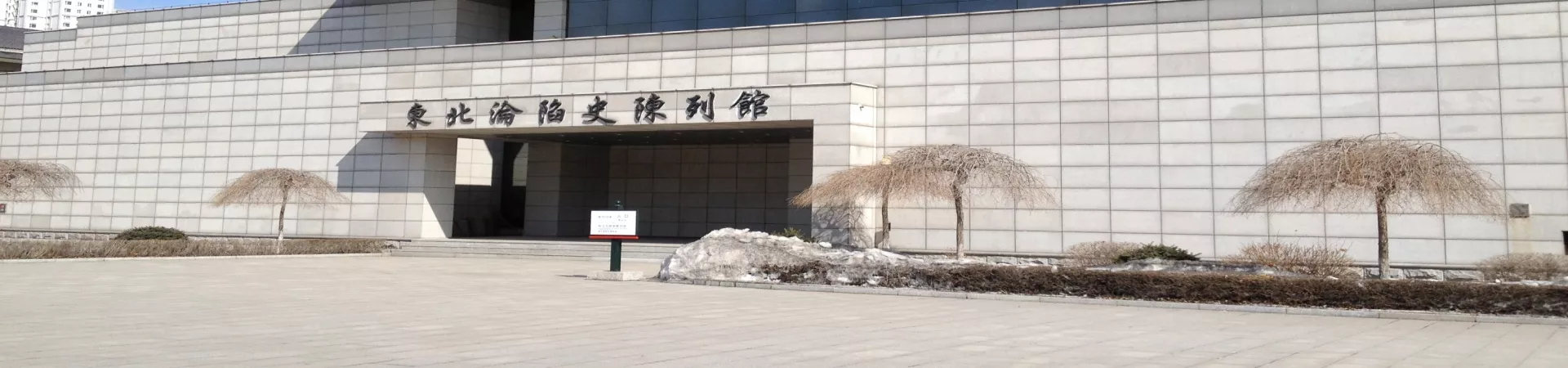
Subtitle: A Solemn Journey Through Memory: The Northeast China Occupation History Exhibition Hall
Introduction: A Portal to a Pivotal Past
Nestled within the city of Changchun, the Northeast China Occupation History Exhibition Hall stands as a profound and essential institution dedicated to preserving, studying, and presenting a critical chapter in modern Chinese history. More than just a museum, it is a comprehensive center for collection, exhibition, and academic discourse. It houses what is widely regarded as China's most authoritative, objective, and thorough large-scale thematic exhibition on the Japanese militarist invasion of Northeast China and the subsequent period of brutal colonial rule. The exhibition's approach is both comprehensive and thoughtfully designed, offering visitors a deeply moving and intellectually engaging experience that goes beyond simple chronology to explore the profound human and societal impacts of this era.
Section 1: The Historical Context and Museum's Mission
1.1 The Weight of History: Manchuria in the Early 20th Century To understand the exhibition's narrative, one must first grasp the strategic and economic importance of Northeast China (historically known as Manchuria) in the early 1900s. This region was rich in natural resources and served as a crucial geopolitical foothold. Following the Mukden Incident in 1931, Japanese forces embarked on a full-scale invasion, leading to the establishment of the puppet state of Manchukuo in 1932. The exhibition hall is built upon the very ground that witnessed these transformative and tragic events, making the location itself a part of the historical record.
1.2 A Living Memorial: The Hall's Purpose and Design Philosophy The primary mission of the Exhibition Hall is not merely to display artifacts but to foster understanding, remembrance, and reflection. It serves as a national site of memory, ensuring that the complexities of this period—the aggression, the resistance, the collaboration, and the immense suffering of the civilian population—are neither forgotten nor simplified. Through meticulous curation, the exhibition aims to present a multifaceted narrative supported by extensive historical research, official documents, personal testimonies, and material evidence. Its design encourages visitors to engage critically with history, contemplating the causes and long-term consequences of militarism and occupation.
Section 2: Navigating the Exhibition: Core Themes and Artifacts
2.1 The Onset of Aggression and the Illusion of Manchukuo The initial galleries meticulously detail the political machinations and military campaigns that led to the occupation. Visitors encounter a wealth of primary sources, including military maps, government proclamations, propaganda posters from the puppet regime, and diplomatic correspondence. This section deconstructs the facade of Manchukuo, revealing the harsh reality of Japanese military control behind the nominal sovereignty.
2.2 The Machinery of Colonial Rule and Daily Life Under Occupation This is often the most visceral part of the exhibition. It delves into the mechanisms of colonial administration, economic exploitation, and cultural assimilation policies.
- 2.2.1 Political Suppression and the "Comfort Women" System: Exhibits soberly address the tools of state terror: the secret police (Kempeitai), thought control, and the brutal system of military sexual slavery, euphemistically termed "comfort women." Personal accounts and historical documentation present the grim reality faced by countless women.
- 2.2.2 Economic Exploitation and Forced Labor: The extraction of Northeast China's resources—coal, minerals, timber—is documented, highlighting the backbreaking and often deadly conditions endured by forced laborers. Artifacts like mining tools, worker uniforms, and company ledgers tell a story of systematic plunder.
- 2.2.3 Social Control and Cultural Erasure: The exhibition explores attempts to suppress Chinese language, education, and traditions while promoting Japanese culture and loyalty to the emperor. School textbooks, public notices, and cultural relics illustrate this struggle for ideological dominance.
2.3 Resistance and Resilience: The Unconquerable Spirit Counterbalancing the narrative of oppression is a powerful celebration of resistance. This section honors the diverse forms of opposition, from the large-scale guerrilla warfare waged by the Northeast Anti-Japanese United Army, led by figures like Yang Jingyu and Zhao Yiman, to more subtle acts of everyday defiance by ordinary citizens. Weapons, handwritten journals, photographs of partisans, and stories of covert operations paint a picture of unwavering courage and national spirit in the face of overwhelming odds.
Section 3: Practical Information for Visitors
3.1 Planning Your Visit: Location and Access The Exhibition Hall is located in Changchun, the capital of Jilin Province, a city with deep historical connections to this period. Visitors should allocate a significant amount of time to fully absorb the content; a visit typically requires between 1 to 3 hours, though history enthusiasts may wish to stay longer.
3.2 Admission and Current Status Admission to the Exhibition Hall is free of charge, reflecting its role as a public educational resource. However, as of the latest updates (circa May 2023), it is crucial for potential visitors to note that the hall was temporarily closed for maintenance and renovation. The exact date for reopening remains uncertain. Therefore, it is strongly advised that anyone planning a visit conduct thorough, up-to-date research before their trip. Checking official tourism websites or contacting local tourist information centers in Changchun is essential to confirm the operational status.
Section 4: The Enduring Legacy and Reflective Space
The final sections of the exhibition often bridge the historical events with their aftermath and lasting legacy. It may cover the Soviet invasion of Manchuria in 1945, the collapse of Manchukuo, the post-war trials, and the long road to reconciliation and historical reckoning. The space is designed to move from factual exposition to quiet contemplation, allowing visitors to process the emotional and intellectual weight of what they have witnessed. The Northeast China Occupation History Exhibition Hall ultimately serves as a powerful testament to the importance of historical truth, the dignity of human memory, and the enduring imperative for peace. It leaves visitors not with a closed narrative, but with a deepened sense of history's complexity and a sobering responsibility to remember.