Eight Departments of Manchukuo
Subtitle: A Journey Through Time: Exploring the Puppet Manchurian Eight Ministries Architectural Complex in Changchun
Introduction: The Legacy in Stone and Memory
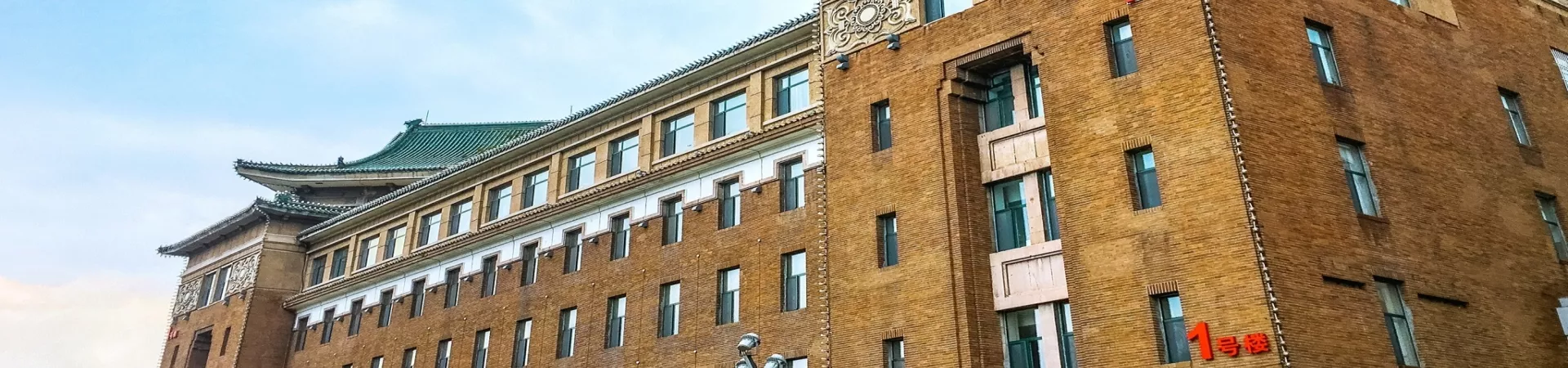
Nestled in the heart of Changchun, Jilin Province, lies a unique and historically significant architectural ensemble known as the Puppet Manchurian Eight Ministries. This complex is not merely a collection of old buildings; it is a profound physical narrative of a specific, contentious period in Northeast China's history. Constructed during the era of the Japanese-puppet state of Manchukuo (1932-1945), these eight buildings housed the core administrative organs of the regime: the Ministries of Military Affairs (Public Security), Justice, Economy, Transportation, Agriculture & Development, Culture & Education, Foreign Affairs, and People's Livelihood. Today, they stand as solemn witnesses to history, their varied architectural styles offering visitors a tangible connection to the past and serving as important educational landmarks on modern Chinese history.
Section 1: Historical Context and Architectural Significance
1.1 The Historical Backdrop The establishment of the Eight Ministries was intrinsically linked to the creation of Manchukuo. Following the Mukden Incident in 1931, Japan occupied Northeast China and installed the last Qing emperor, Puyi, as the nominal ruler of the puppet state. To project an image of sovereignty and modern governance, a new capital was planned in Changchun (then renamed Xinjing), and a series of government buildings were commissioned. The Eight Ministries formed the administrative backbone of this regime, centralizing control over all critical aspects of state function under Japanese oversight.
1.2 An Architectural Ensemble Centered on the Geological Palace The architectural layout is both symbolic and strategic. The eight ministry buildings are not randomly placed but are carefully positioned on both sides of Xinmin Avenue, forming a cohesive cluster centered around the Geological Palace (Di Zhi Gong) to the north. The Geological Palace, originally intended to be the new imperial palace for Puyi but never completed as such, now serves as the core of this architectural composition. This radial plan was designed to impose order and demonstrate the centralized power of the state.
1.3 A Fusion of Architectural Styles One of the most compelling features of the complex is the diversity of its architectural styles. Reflecting the international influences and ideological aspirations of the period, the buildings incorporate elements from various traditions. * Modernist and Neo-Classical Influences: Many structures exhibit streamlined, imposing facades characteristic of early 20th-century modernism, often combined with grand columns and symmetrical layouts reminiscent of neo-classicism, aiming to convey authority and permanence. * Japanese and Oriental Elements: Subtle integrations of Japanese architectural details or broader East Asian design principles can be identified, reflecting the dominant influence behind the regime. * Eclectic Elegance: Despite their governmental purpose, several buildings feature elegant designs, with some set within landscaped courtyards, softening their imposing presence and adding a layer of refined aesthetics to the bureaucratic complex. This eclectic mix creates a unique streetscape that is visually engaging and historically layered.
Section 2: A Practical Guide for Visitors
2.1 Location and Accessibility The Eight Ministries complex is conveniently located in downtown Changchun, stretching along the prestigious Xinmin Avenue between two of the city's major public spaces: Culture Square (to the north, near the Geological Palace) and Xinmin Square (to the south). This central location makes it easily accessible. * By Public Bus: Visitors can take bus routes 255 or 276 and alight at the Jiefang Dalu (Liberation Avenue) stop, which provides close access to the area. A leisurely walk along Xinmin Avenue is the best way to appreciate the scale and sequence of the buildings.
2.2 Planning Your Visit * Suggested Duration: To fully appreciate the external architecture, read historical placards (often available in Chinese and sometimes English), and absorb the atmosphere of the avenue, a minimum of 3 hours is recommended. Those with a deep interest in history or architecture may wish to spend longer. * Admission and Hours: Access to the exterior areas and the public spaces along Xinmin Avenue is free of charge. The site is generally open for public viewing from 8:00 AM to 6:00 PM daily. Please note that these hours primarily govern access to certain grounds or viewpoints, as the buildings themselves are now mostly repurposed for contemporary use (e.g., university campuses, hospitals, government offices) and are not generally open for internal public tours unless for specific events.
Section 3: The Buildings Today: Preservation and New Purpose
3.1 From Ministries to Modern Institutions The post-war and contemporary life of these buildings is a story of adaptive reuse. Unlike purely preserved museums, most of the former ministry buildings have been integrated into the fabric of modern Changchun. They now house important contemporary institutions such as Jilin University's colleges (including the Norman Bethune College of Medicine), hospitals, and provincial government offices. This continuous use has ensured their maintenance and preservation while transforming them from symbols of a puppet regime into functional assets for the people.
3.2 Engaging with History While walking the avenue, visitors engage with history on multiple levels. Informational signs provide context about each building's original and current function. The experience is one of contemplation—observing the architectural details, imagining the historical events that unfolded here, and reflecting on the complex narrative of occupation, collaboration, and resilience. It is a powerful open-air history lesson.
Section 4: Enhancing the Visitor Experience
4.1 Combined Itinerary Suggestions A visit to the Eight Ministries can be effectively combined with other nearby historical sites from the same period to form a comprehensive understanding. The Puppet Manchurian Palace Museum (Puyi's former residence) is a crucial complementary site, offering a look into the emperor's controlled life. Additionally, exploring the grand Culture Square in front of the Geological Palace provides spatial context to the city's planned layout.
4.2 Tips for a Fulfilling Visit * Context is Key: Reading about the history of Manchukuo before your visit will greatly enrich your understanding and appreciation of the site. * Observe the Details: Pay attention to different architectural elements: the shape of windows, decorative reliefs, roof designs, and the materials used. * Respectful Observation: As these are active workplaces and institutions, visitors are encouraged to observe respectfully from the outside, maintaining quiet and orderly conduct on the premises. * Contact Information: For any specific inquiries, the general administrative contact for the historical site management can be reached at 0431-82287551.